Extreme Heat Waves Disrupt Honey Bee Thermoregulation and Threaten Colony Survival
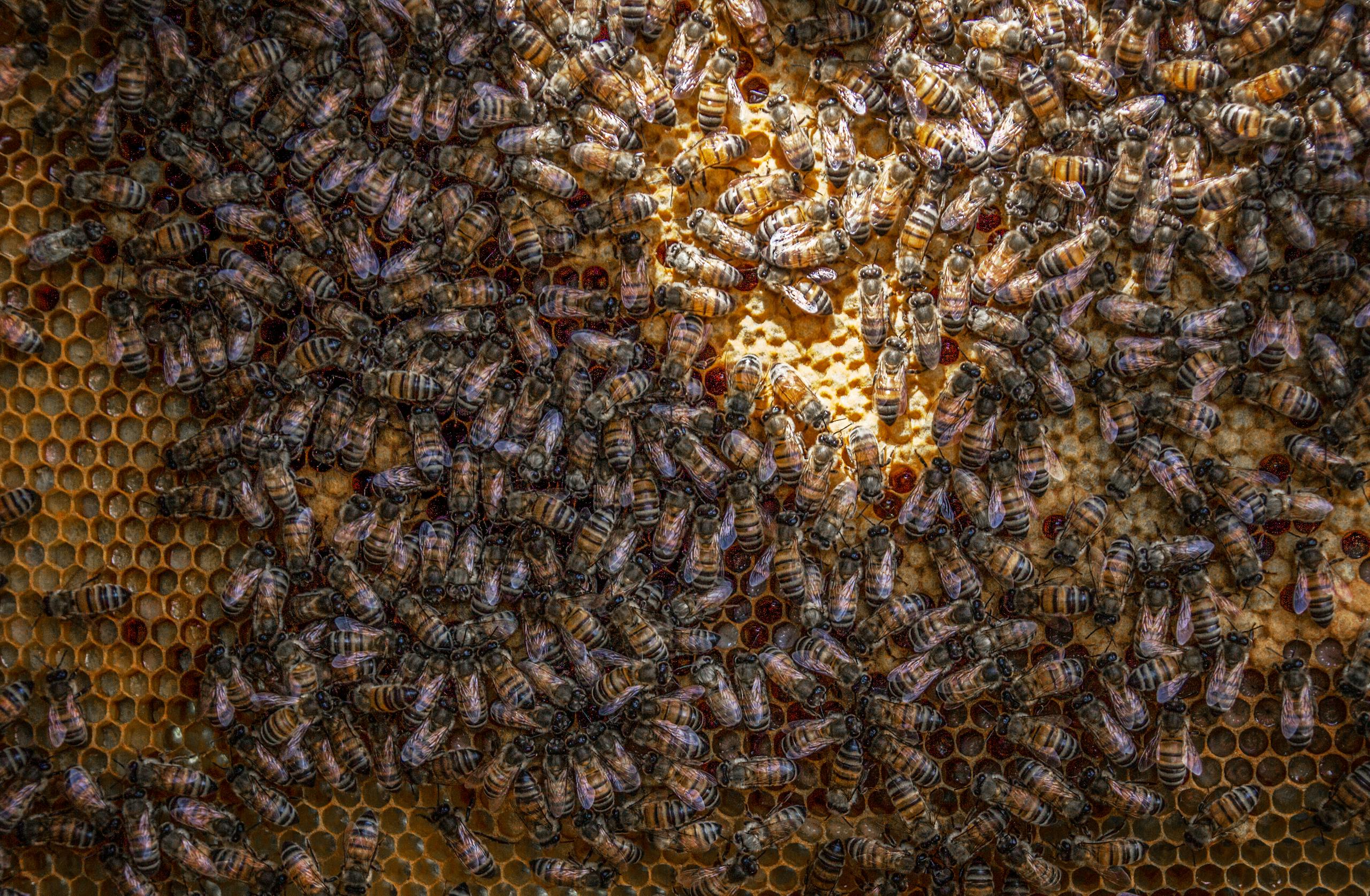
Honey bees are often celebrated for their remarkable ability to work collectively, and one of their most impressive skills is regulating the temperature inside their hives. This delicate thermal balance is essential for brood development and overall colony health. However, new research shows that extreme summer heat waves can push this natural cooling system beyond its limits, putting honey bee colonies at serious risk.
A recent study published in Ecological and Evolutionary Physiology examines how prolonged exposure to very high temperatures affects honey bee colonies. The research was conducted during an exceptionally hot summer in Arizona, where daytime temperatures frequently exceeded 40°C (104°F). Over a three-month period, scientists closely monitored nine honey bee colonies to understand how they coped with these extreme conditions and what happened when their thermoregulation systems were strained.
Why Hive Temperature Control Matters
Honey bee colonies rely on stable internal temperatures to survive. The brood area, where eggs, larvae, and pupae develop, needs to be kept within a narrow range of 34–36°C for healthy growth. Worker bees achieve this through coordinated behaviors such as fanning their wings, spreading water for evaporative cooling, and clustering or dispersing as needed.
Under normal conditions, these strategies are highly effective. But the researchers wanted to understand an important unanswered question: what happens when environmental heat becomes too intense and persistent for these mechanisms to handle? Until now, few studies had examined the real-world limits of honey bee thermoregulation during natural heat waves.
What the Arizona Study Found
During the Arizona summer, the monitored colonies were exposed to extreme and sustained heat. On the surface, the results seemed reassuring at first. On average, colonies were able to maintain brood temperatures within the optimal 34–36°C range. But a closer look revealed a more troubling picture.
Despite stable averages, daily temperature fluctuations inside the hive were significant. Bees developing in the center of the brood experienced nearly 1.7 hours per day below the optimal temperature range and about 1.6 hours per day above it. Conditions were even harsher at the brood edges, where developing bees spent almost eight hours per day outside the optimal temperature range.
These fluctuations matter because honey bee development is highly sensitive to temperature. Even short periods outside the ideal range can affect growth, behavior, and long-term survival. Prolonged exposure increases the risk of developmental abnormalities and weakens the overall colony.
Population Declines Linked to Heat Stress
The study didn’t just track temperature; it also monitored colony population changes over time. The findings were clear. Higher maximum air temperatures and greater internal temperature variability were associated with population declines. Colonies exposed to the most extreme conditions lost more bees than those that experienced slightly milder fluctuations.
Excessive heat appears to harm colonies in two main ways. First, it disrupts brood thermoregulation, interfering with normal development. Second, it exposes adult bees to temperatures that can shorten their lifespans, reducing the workforce needed to maintain the hive. Together, these effects can trigger a downward spiral that weakens the colony over time.
Colony Size Makes a Big Difference
One of the most important insights from the study is the role of colony size. Larger colonies were far better at buffering against extreme heat. They maintained more stable internal temperatures and experienced smaller daily swings, especially at the outer edges of the brood.
In contrast, smaller colonies struggled. At the brood edges, the smallest hives experienced temperature swings of up to 11°C per day, compared to about 6°C in the largest colonies. This difference meant that bees in small colonies spent much more time exposed to potentially harmful temperature extremes.
This finding has major implications, especially for newly established colonies, splits, or colonies already weakened by disease, parasites, or poor nutrition.
Climate Change Raises the Stakes
The researchers placed their findings in the broader context of climate change. Climate projections suggest that global average temperatures could rise by around 2.7°C by the end of the century, with increases of up to 4°C under higher emission scenarios. Such warming is expected to increase both the frequency and intensity of heat waves worldwide.
Another compounding factor is humidity. Honey bees rely heavily on evaporative cooling to regulate hive temperature. High humidity reduces the effectiveness of this cooling method, making it even harder for colonies to cope during hot weather. In many regions, rising temperatures and humidity are likely to occur together, further increasing thermal stress on bees.
Practical Implications for Beekeepers and Agriculture
Honey bees are not just vital to ecosystems; they are also essential to agriculture. Many crops depend on honey bee pollination, and colony losses can have cascading effects on food production. The study highlights the need for proactive management strategies to help bees cope with rising temperatures.
Suggested measures include providing reliable access to water, which supports evaporative cooling, and shading hives to reduce direct heat exposure. Improving hive design and materials to enhance insulation can also help stabilize internal temperatures. Ensuring that colonies have access to high-quality forage supports overall health, making them more resilient to environmental stress.
How Honey Bees Regulate Heat
To better understand why extreme heat is such a problem, it helps to know how honey bees regulate temperature. Worker bees fan their wings to circulate air, carry water into the hive and spread it across surfaces, and adjust their behavior based on local conditions within the hive. These actions require energy and a sufficient number of healthy workers.
When temperatures remain high for long periods, bees must devote more effort to cooling and less to foraging, brood care, and defense. Over time, this trade-off can weaken the colony and reduce its ability to recover.
Why This Research Matters
This study is one of the first to clearly show that even well-adapted social insects like honey bees have limits to their resilience. While bees can handle short-term heat spikes, prolonged extreme conditions can overwhelm their collective defenses.
Understanding these limits is critical as the climate continues to change. The findings highlight the importance of considering temperature stress alongside other well-known threats such as pesticides, parasites, and habitat loss.
As heat waves become more common, supporting honey bee health will require both scientific insight and practical action. Studies like this provide valuable guidance on where the vulnerabilities lie and what can be done to protect one of the planet’s most important pollinators.
Research paper: https://doi.org/10.1086/739493