Floating Solar Panels Show Strong Potential but Their Environmental Effects Depend Heavily on Location
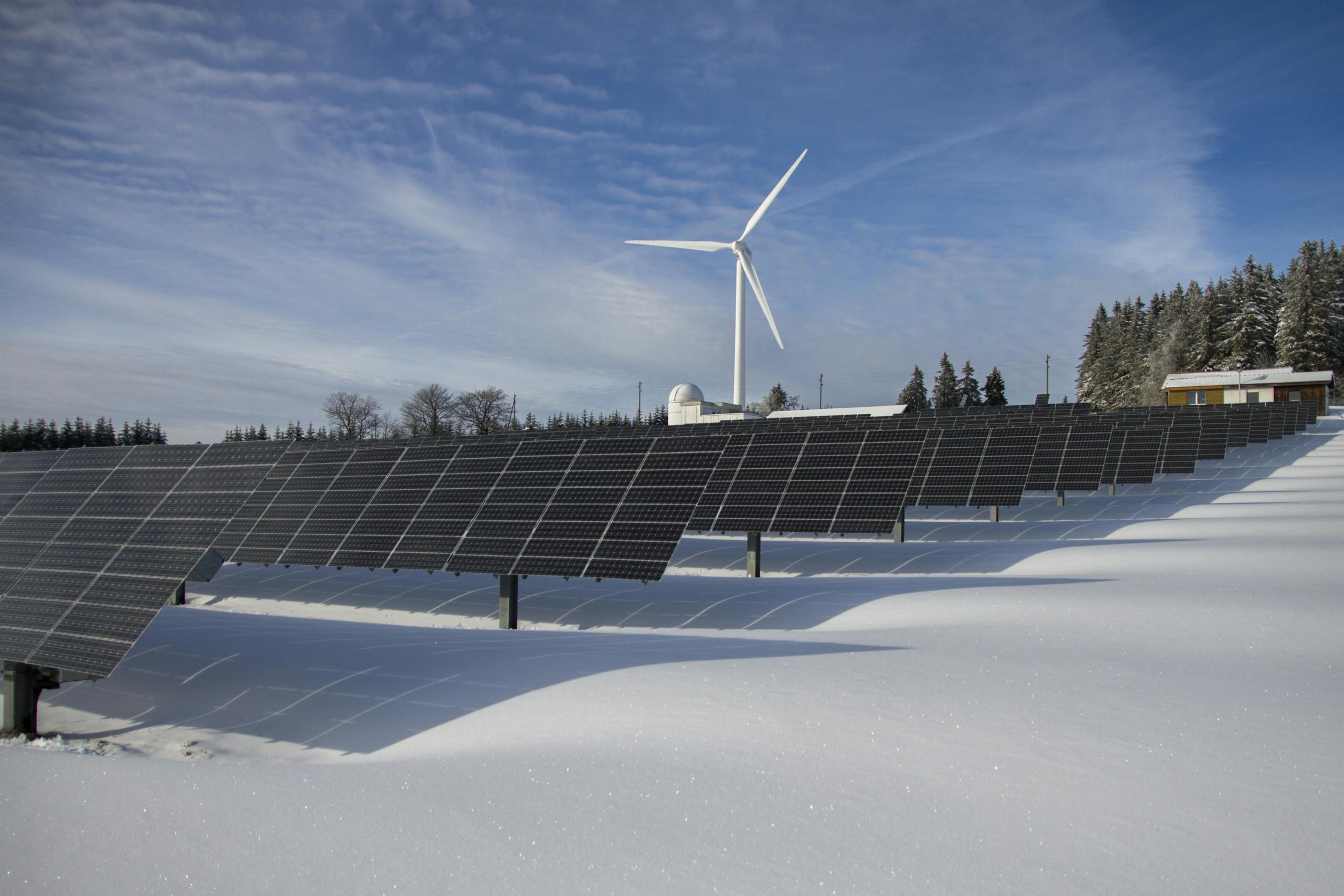
Floating solar panels—large arrays of photovoltaic modules installed on reservoirs and other water bodies—are increasingly being seen as a promising clean-energy technology. A new study published in Limnologica adds important nuance to that promise, showing that while these systems offer significant energy and environmental advantages, their ecological impacts vary widely depending on the reservoir where they are installed. The study provides detailed modeling results for 11 U.S. reservoirs and highlights why floating solar cannot be approached with a one-design-fits-all mindset.
What the New Study Examined
Researchers from Oregon State University and the U.S. Geological Survey analyzed how floating solar photovoltaic (FPV) systems influence reservoir conditions. They used advanced modeling tools on reservoirs located across Oregon, Ohio, Washington, Idaho, Tennessee, and Arkansas. Each site represented different reservoir depths, circulation patterns, climates, and fish communities.
The team simulated FPV deployment during both summer and winter, over two-month periods. Their goal was to understand how shading, reduced wind exposure, and altered surface interactions from FPV installations might change water temperature, stratification, dissolved oxygen levels, and habitat suitability for aquatic species.
Key Findings: Temperature and Habitat Shifts
The study found consistent patterns but also important differences from site to site.
First, floating solar cooled the surface waters of every reservoir tested. This cooling effect occurred because the panels block sunlight from heating the water and prevent some of the wind-driven mixing that normally warms upper layers.
Second, this shading changed the internal structure of the reservoir. Temperature layers shifted, and the degree of stratification changed depending on the reservoir’s own characteristics. This is important because such shifts can influence where different fish species can survive.
The study showed that FPV systems created greater variability in habitat suitability. Cold-water species sometimes benefited from cooler summer temperatures—especially when panel coverage was greater than 50%—but warm-water species could lose suitable habitat under the same conditions.
The findings emphasize that reservoir depth, water movement, and biological communities all strongly influence how FPV installations affect ecology. According to the researchers, ecology is inherently complex, and FPV outcomes are highly dependent on local conditions.
The Growing Interest in Floating Solar
Globally, floating solar has expanded rapidly, especially in Asia, where large FPV farms have already become common. In the United States, however, the technology is still emerging and mostly limited to pilot-scale projects.
But interest is rising fast. A 2025 assessment by the U.S. Department of Energy’s National Renewable Energy Laboratory (NREL) estimated that U.S. reservoirs could host enough FPV capacity to generate up to 1,476 terawatt-hours per year. For context, that is enough electricity to power roughly 100 million homes annually.
The appeal is easy to understand. FPV systems sit on existing reservoir surfaces, meaning they avoid taking up land that could be used for agriculture, development, wildlife, or other purposes. This makes them especially attractive in densely populated areas.
Additional Advantages of Floating Solar
Researchers have noted several benefits FPV can offer:
- Higher solar efficiency: Because water cools the panels, power output can improve by 5–15% compared to ground-mounted systems.
- Reduced water evaporation: In hot and dry regions, panels shade the reservoir and slow down evaporation, helping preserve water supplies.
- Compatibility with hydro infrastructure: FPV can plug into existing hydroelectric transmission systems, lowering installation costs and maximizing existing assets.
- Reduced algal growth: By blocking sunlight, FPV may decrease harmful algae blooms in certain conditions.
These benefits make FPV an appealing companion technology to traditional solar.
Potential Environmental Concerns
Despite the advantages, researchers stress the need for caution. While FPV might help some species by cooling water, it can also reduce dissolved oxygen in deeper layers, alter thermal gradients, and affect mixing processes. These shifts can impact fish, plankton, and other aquatic life.
The study also raises broader concerns:
- Large-scale shading could alter nutrient cycling and microbial activity.
- Reduced wind exposure might weaken natural water mixing, affecting oxygen distribution.
- Habitat changes might disproportionately impact species that rely on stable temperature layers.
- Covering large reservoir surfaces could interfere with recreation, fisheries, or water-supply functions.
The researchers highlight that major freshwater modifications—like dam construction—have historically produced long-lasting and sometimes unexpected ecological impacts. They argue that FPV deployment must be approached with similar caution and long-term monitoring.
Why Location Matters So Much
One of the strongest messages from the study is that each reservoir responds differently. The same FPV coverage that helps one site could harm another. Key factors influencing outcomes include:
- Depth: Deep reservoirs stratify more strongly, and shading can dramatically alter thermal layers.
- Circulation: Reservoirs with strong natural mixing respond differently than those with limited circulation.
- Fish communities: Warm-water and cold-water species react in opposite ways to the same temperature changes.
- Climate: Winter and summer effects differ substantially across regions.
This complexity makes site-specific assessment essential. The researchers recommend detailed modeling, environmental reviews, and post-installation monitoring whenever FPV is proposed.
Why Ecological Understanding Is Still Limited
Although FPV has been growing internationally, scientific understanding of its ecological effects is still in early stages. Most existing studies—including this one—use models or short-term tests. Long-duration field data from full-scale FPV farms are scarce.
This study represents one of the most comprehensive attempts so far to evaluate system-wide ecological responses across multiple reservoirs. But the authors stress that more research is needed before FPV is deployed at scale in sensitive ecosystems.
The Larger Picture for Clean-Energy Planning
Floating solar remains a high-potential clean-energy option, especially for regions with many reservoirs or limited land availability. It offers clear benefits, from energy generation to water conservation.
But the new study makes equally clear that responsible deployment matters. Decisions cannot rely solely on energy output calculations. Instead, FPV must be planned within a broader water–energy–ecosystem framework that considers biodiversity, local species, water quality, and human uses of reservoirs.
This is especially critical because the United States holds thousands of reservoirs with highly varied conditions. A system that works brilliantly in one location may create ecological stress in another.
By combining renewable-energy goals with environmental modeling and ongoing monitoring, FPV projects can be deployed in ways that maximize benefits while minimizing ecological risks.