Heat-Inducible Promoters Show Distinct and Powerful Expression Patterns in Sugarcane Stems
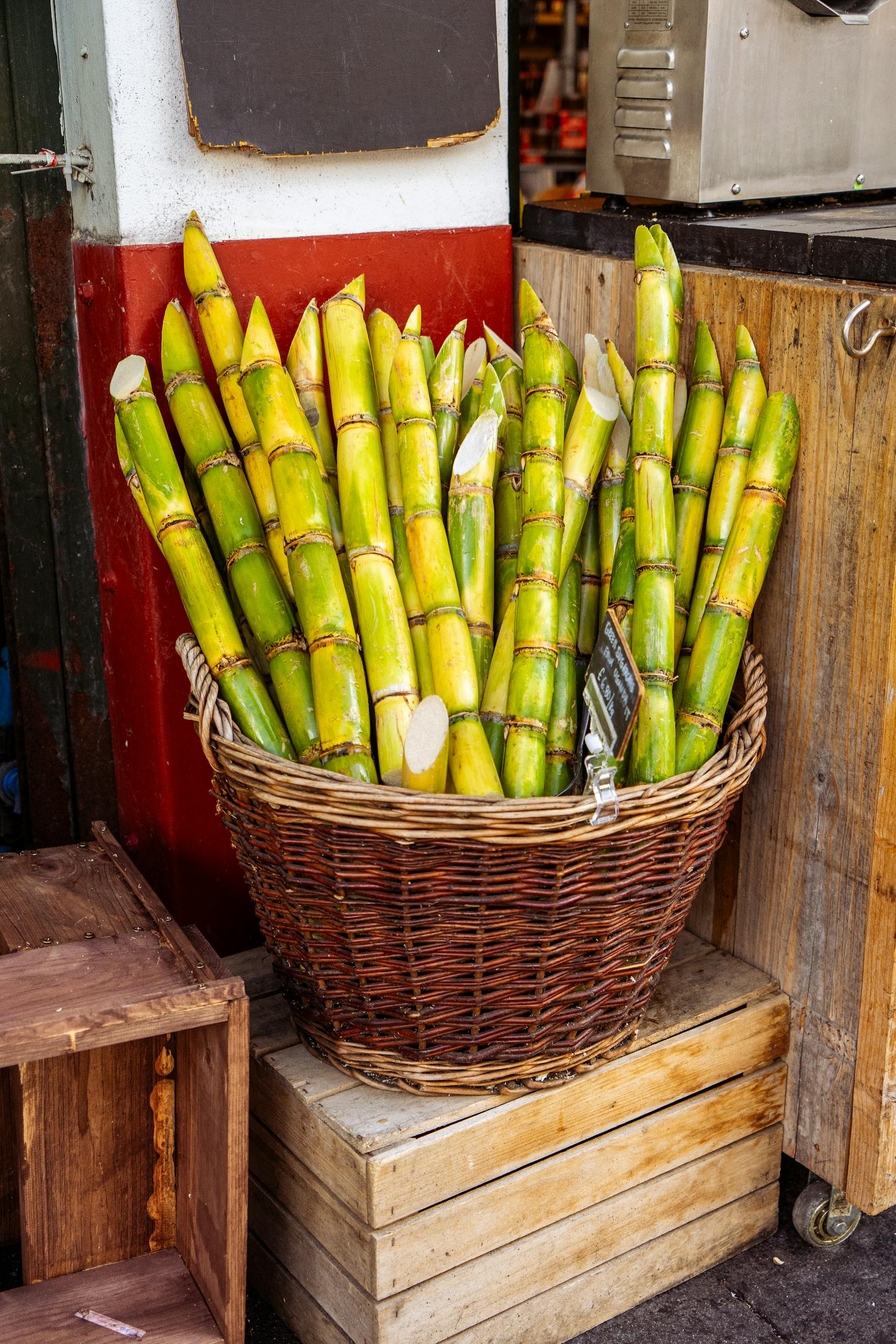
Inducible promoters are becoming increasingly important tools in modern plant biotechnology, especially when constant transgene expression interferes with normal plant growth or reduces agricultural performance. A recent study led by researchers associated with the University of Florida and the Center for Advanced Bioenergy and Bioproducts Innovation (CABBI) takes a deep dive into how different heat-inducible promoters behave inside sugarcane plants, with a particular focus on where and when genes are activated inside the stem.
Sugarcane is not just another crop. It is one of the world’s most important sources of sugar and bioenergy, and it serves as a major platform for bioproduct and biofuel research. Because sugarcane accumulates most of its biomass in the stem, understanding how to precisely control gene expression in this tissue is a major priority for plant scientists.
Why Inducible Promoters Matter in Crop Biotechnology
In many genetic engineering approaches, constitutive promoters are used to keep a gene switched on all the time. While this can be effective, it often comes at a cost. Continuous gene expression can drain energy, disrupt development, or lead to unintended side effects that reduce yield.
Inducible promoters, on the other hand, act like molecular switches. They allow researchers to activate a gene only under specific conditions, such as heat stress. This approach offers far more control and flexibility, particularly for traits that are only needed at certain times or in specific tissues.
The Focus of the Study
In this research, scientists evaluated four different plant heat shock protein (HSP) promoters in stably transformed sugarcane plants. The goal was to measure how effectively each promoter drives gene expression after heat treatment and to determine where within the plant stem that expression occurs.
To track promoter activity, the researchers used a uidA reporter gene, which produces a measurable signal when activated. This allowed them to precisely quantify promoter strength and visualize expression patterns across different stem regions and cell types.
The four promoters examined were derived from different plant species and included:
- pZmHSP17.7 (maize)
- pZmHSP26 (maize)
- pHvHSP17 (barley)
- pGmHSP17.5 (soybean)
These were compared against a commonly used constitutive maize ubiquitin promoter (pZmUbi).
Strong Heat-Induced Expression in Sugarcane Stems
One of the most striking findings was how strongly some of these promoters responded to heat. In single-copy transgenic sugarcane lines, heat treatment caused dramatic increases in reporter gene activity, particularly in stem tissues.
In the middle sections of the stem, heat-induced expression driven by:
- pZmHSP17.7 exceeded pZmUbi activity by 9.7-fold
- pHvHSP17 exceeded it by 3.8-fold
- pZmHSP26 exceeded it by 3.0-fold
When compared to non-heated control conditions, the level of induction was even more impressive, ranging from 346-fold to as high as 3,672-fold, depending on the promoter.
These numbers clearly show that heat-inducible promoters can outperform constitutive promoters when activated, while remaining mostly silent under normal conditions.
Spatial Differences Along the Stem
Not all parts of the sugarcane stem behaved the same way. Most of the tested promoters showed their highest activity in the middle sections of the stem, which are critical zones for biomass accumulation and sugar storage.
However, one promoter stood out. pHvHSP17 showed its strongest activity in the stem apices, the upper growing regions of the plant. This distinction is important because it suggests that different promoters can be selected depending on whether researchers want gene expression concentrated in mature stem tissue or actively growing regions.
Cell-Level Expression Inside the Stem
The study also included histochemical analysis, which allowed researchers to visualize exactly which cells were expressing the reporter gene.
Two promoters in particular, pZmHSP17.7 and pHvHSP17, were active in both:
- Parenchyma cells, which are responsible for storing sugars and other metabolites
- Vascular bundles, which transport water, nutrients, and sugars throughout the plant
This dual activity is especially valuable for biotechnology applications that aim to modify sugar accumulation, carbon partitioning, or transport processes within the stem.
Expression Patterns in Leaves and Roots
Beyond the stem, the researchers also looked at promoter activity in leaves and roots. In leaves, mature leaves consistently showed higher heat-induced expression than either immature or senescing leaves. This suggests that leaf developmental stage influences promoter responsiveness.
Roots, by contrast, showed very low activity across all four promoters, even after heat treatment. This root-limited expression could be an advantage for applications where stem-specific or shoot-specific expression is desired, without affecting below-ground tissues.
Timing and Temperature Sensitivity
The promoters differed not only in where they were active, but also in how sensitive they were to temperature. Some promoters responded at relatively moderate heat levels, while others required higher temperatures to fully activate.
This range of activation thresholds provides researchers with options to fine-tune gene expression based on environmental conditions, which is particularly relevant for field-grown crops exposed to fluctuating temperatures.
Broader Implications for Crop Engineering
This research significantly expands the promoter toolbox available for sugarcane biotechnology. By providing detailed quantitative data on temporal and spatial expression patterns, the study helps researchers choose the right promoter for the right job.
Potential applications include:
- Heat stress tolerance, where protective genes are activated only during high temperatures
- Controlled transgene expression, reducing unwanted side effects
- Precision gene editing, where editing machinery is activated briefly and locally
- Complex metabolic engineering, especially for bioenergy and bioproduct pathways
Because sugarcane is a major platform for sustainable fuel and material production, these advances could have far-reaching impacts beyond agriculture alone.
Heat-Inducible Promoters Beyond Sugarcane
Heat shock protein promoters are widely conserved across plant species, which means the insights from this study may also inform research in other crops. As climate variability increases worldwide, tools that allow environment-responsive gene regulation will become even more valuable.
Inducible systems like these offer a way to engineer crops that respond intelligently to stress, activating protective or productive pathways only when they are truly needed.
A Step Forward in Precision Plant Biotechnology
By systematically comparing four heat-inducible promoters in sugarcane, this study delivers a clear message: not all promoters behave the same, and understanding their differences is essential for successful genetic engineering.
The work provides both practical guidance and foundational knowledge, helping bridge the gap between laboratory research and real-world agricultural applications.
Research paper: https://doi.org/10.3389/fpls.2025.1709171