How a Snake Named Problem Helped Reveal 25 Years of Insights Into Treating Injured Reptiles
A recently published 25-year review from the Turtle Rescue Team (TRT) at North Carolina State University is shining new light on the challenges, patterns, and surprising successes involved in treating injured snakes. What began as a single case report about a severely injured black rat snake named Problem eventually grew into a comprehensive analysis of every snake admitted to the wildlife clinic between 1999 and 2023. The result is a detailed look at how snakes are getting hurt, how veterinary teams intervene, and how even serious injuries can sometimes be reversed thanks to the remarkable healing abilities of reptiles.
This article breaks down every specific detail from the news, presents the study’s findings in clear terms, and adds additional context about snake biology, netting hazards, and reptile rehabilitation so readers can understand both the scientific and practical significance of this long-term work.
The Origins of the Study: A Snake Called Problem
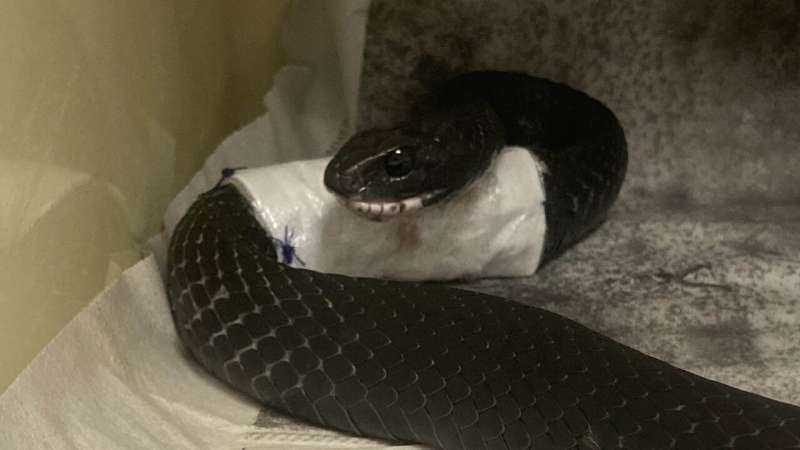
The retrospective study began with a single patient: a black rat snake the team named Problem. He arrived at the TRT with severe wounds from entanglement in plastic netting. The material had cut so deeply into his body that tissue near his heart had died and sloughed away. Despite extensive care and multiple interventions, Problem did not recover after a procedure to repair the defect. His case raised important questions: How common were injuries like this? How often did snakes survive them? And what patterns might emerge if years of data were examined together?
These questions motivated Savannah Dunn, a 2024 graduate of the College of Veterinary Medicine, and Dr. Greg Lewbart, professor of aquatic, wildlife, and zoological medicine, to analyze a full 25 years of records. As Dunn described, Problem ultimately became the inspiration that guided the entire project.
The Scale of the Review and the Types of Snake Patients
Across the 25-year period, the Turtle Rescue Team admitted snakes of all kinds—not just turtles, despite their name. Their work includes both common and less commonly encountered species, and the conditions in which snakes arrive vary widely.
One of the most striking findings of the review was the frequency of netting entanglement as a cause of injury. Good Samaritans often bring snakes to the clinic still wrapped in garden mesh, plastic netting, or similar materials. Some snakes are fortunate enough to be freed and immediately returned to the wild after a quick assessment. However, many present with much more severe trauma.
TRT does not accept venomous snakes, since specialized training and state permits are required to house and treat them safely. This means the majority of patients are non-venomous species. In the public mind, these snakes are often considered “good,” while venomous snakes are labeled “bad,” but Dunn emphasized that both types of snakes play essential roles in controlling rodent populations and maintaining ecological balance. Whether venomous or not, snakes do not intentionally harm humans and generally avoid contact.
Why Netting Entanglement Is So Dangerous for Snakes
Entanglement injuries in snakes share similarities with human injuries caused by a tourniquet left on too long. When netting wraps tightly around a snake, the pressure restricts circulation. Because a snake’s body is long and uniform, the net often constricts not just one limb—but large sections of the animal’s body. Over time the material can cut into the skin, muscle, and even deeper tissue layers. If circulation is cut off long enough, the tissue begins to die. For many snakes, this becomes life-threatening.
The review revealed that injuries ranged from superficial constriction marks to deep lacerations exposing muscle or organs. Some snakes presented after hours of struggling in the heat, dehydrated and exhausted. Others had tissue already dying around embedded netting.
Despite this, reptiles—including snakes—show an impressive capacity for healing. Snakes can recover from dramatic wounds if treated promptly, and the long-term data confirms this: many entangled snakes have a reasonable chance of survival with veterinary intervention.
Standout Case: Problem the Black Rat Snake
Although the final study expanded far beyond him, Problem remains central to the narrative. His severe injuries, persistence, and eventual decline illustrated both the fragility and resilience of snakes. His case also highlighted what vets had long suspected: garden and erosion-control netting is causing widespread harm to wildlife.
Problem’s story demonstrated that even with extensive care and monitoring, some snakes sustain injuries too catastrophic to overcome. Yet it also showed how important it is to gather data, learn from individual cases, and understand the bigger patterns so that future animals may fare better.
How the Public Should Help an Injured or Entangled Snake
Dunn offered practical advice for anyone who encounters an injured or entangled reptile. The safest approach is to let professionals handle the actual disentangling because stressed snakes can thrash and worsen their injuries. However, immediate steps are still important:
- Cut away only what you safely can, without pulling or twisting the snake.
- Place the snake in a breathable container, such as a pillowcase, for transport.
- Put the pillowcase inside a secure container, like a cardboard box or open cooler, to prevent escape.
- Seek a licensed wildlife rehabilitator or veterinary clinic as soon as possible.
- The best prevention is to avoid plastic netting in gardens and landscapes.
This advice balances human safety with reptile welfare, ensuring the snake reaches trained hands without unnecessary additional trauma.
Extra Information: Why Snakes Heal Well and Why Entanglement Is So Common
Snakes have several biological advantages that support recovery:
- Slow metabolism allows their bodies to allocate energy toward repair.
- Shedding cycles can help remove damaged skin once healing begins.
- Flexible musculature and a long body plan allow certain wounds to be bypassed temporarily.
However, their elongated bodies also make them particularly vulnerable to netting. A snake moving through a yard or garden can easily slip its head or a segment of its body through mesh while hunting or exploring. Once its body catches, the snake instinctively struggles, tightening the net more and increasing the severity of the injury.
Entanglement is especially common in black rat snakes, one of the species most frequently admitted to TRT. These snakes are widespread, climb well, and often investigate human structures—making them more likely to encounter harmful materials like plastic mesh.
The Bigger Picture: What This Study Reveals About Wildlife and Human Environments
This 25-year review shows that the intersection between human landscaping materials and wildlife behavior leads to predictable—and preventable—injuries. While people often install plastic netting to protect plants, prevent erosion, or manage gardens, they rarely realize how dangerous it is to small animals.
The TRT study gives wildlife clinics, vets, and conservationists valuable data they can use to educate the public, shape policies, and encourage the use of wildlife-friendly alternatives.
Research Paper Link
Clinical overview of snakes presenting to a North Carolina wildlife clinic: a 25-year retrospective review (1999–2023)
https://doi.org/10.1638/2024-0119