How Some Mammals Pause Pregnancy and What It Reveals About Cell Survival and Cancer
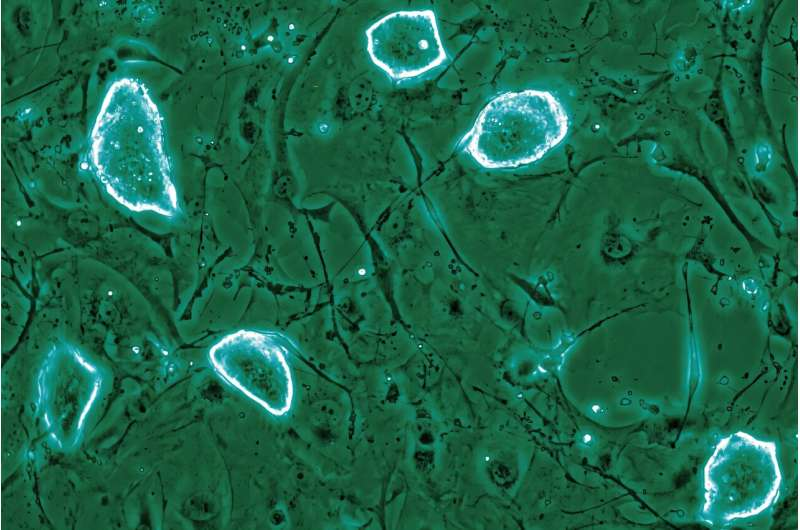
Some mammals have a remarkable biological ability: they can pause a pregnancy and resume it later when conditions are right. This phenomenon, known as embryonic diapause, has fascinated scientists for decades. Now, new research is shedding light on how embryos survive this suspended state without losing their ability to develop normally—and why this same mechanism could be important for understanding cancer, immune cell survival, and cellular dormancy more broadly.
What Is Embryonic Diapause?
Embryonic diapause is a reproductive strategy used by hundreds of animal species, including many mammals, fish, and insects. Humans are a notable exception. In mammals that use this strategy—such as seals, mice, moose, and certain marsupials—development pauses shortly after fertilization.
This pause typically occurs at the blastocyst stage, when the embryo is still a small ball of a few hundred cells. Instead of implanting into the uterine wall right away, the blastocyst enters a kind of biological holding pattern. During this time, cell division slows dramatically, metabolism drops, and growth-related processes are largely shut down. When environmental or physiological conditions improve, development resumes as if nothing happened.
For animals like seals, this ability is essential. A female seal may mate months before she gives birth. She waits until her fat reserves, seasonal conditions, and overall health are aligned before allowing the embryo to implant and continue developing. The result is a birth timed perfectly for survival.
The Big Biological Question
Embryonic development usually follows a strict schedule, with tightly coordinated genetic programs pushing cells to grow, divide, and specialize. This raises an important question: how can an embryo stop this process without permanently damaging its future development?
More specifically, scientists have wondered how embryonic cells manage to stay pluripotent—meaning they can still become any cell type—while under deep metabolic stress. If development pauses for days, weeks, or even months, why don’t these cells lose their identity or start differentiating into specific tissues too early?
A New Study Offers Answers
A recent study published in Genes & Development explored this mystery using mouse embryonic stem cells. The research focused on understanding what happens inside cells when they enter a diapause-like state and how they preserve their developmental potential.
The researchers found that embryonic stem cells can be pushed into a diapause-like condition in the lab by exposing them to different forms of stress. These included:
- Inhibiting mTOR, a central regulator of cell growth and metabolism, which mimics nutrient scarcity
- Reducing Myc family transcription factors, which normally drive growth-related gene expression
- Blocking BET proteins using a compound called I-BET151, which interferes with transcriptional activation
Although these stressors are very different, they all produced the same outcome. The cells sharply reduced metabolism, RNA production, and protein synthesis, yet remained fully pluripotent. Even when researchers tried to force these cells to differentiate into specialized cell types, they resisted. Once the stress was removed, the cells resumed normal development and were still capable of contributing to healthy embryos.
The Molecular Brake That Keeps Cells on Hold
The most important discovery was that all these stress conditions activated a single shared molecular program. This program acts as a built-in braking system that prevents cells from differentiating while they are under stress.
At the center of this system are genes that inhibit the MAP kinase signaling pathway, a pathway that normally pushes embryonic stem cells toward specific developmental fates. By turning on these inhibitory genes, the cells effectively shut down differentiation signals while staying poised to restart development later.
The researchers also identified a key regulatory protein called Capicua. Under normal conditions, Capicua suppresses these brake genes. When cells experience stress—whether from low nutrients, reduced growth signals, or transcriptional inhibition—Capicua is displaced. This removal lifts the repression and allows the brake genes to activate.
When the researchers experimentally disabled this braking system, the results were immediate. Cells rapidly lost pluripotency and began showing signs of premature differentiation. This confirmed that the brake is not just helpful, but essential for maintaining the diapause-like state.
Why Diapause Is Not Just About Embryos
Although embryonic diapause does not occur in humans, the underlying biology is highly relevant. Many cells in the human body need to survive long periods of stress or dormancy without losing their identity.
Examples include:
- Immune cells that persist for years or decades with minimal activity
- Adult stem cells that remain inactive until tissue repair is needed
- Cancer cells that enter a dormant state to survive chemotherapy or poor nutrient conditions
The study suggests that these cells may rely on similar molecular brakes to survive harsh conditions. In cancer, this is especially important. Dormant cancer cells are a major reason why tumors can recur years after treatment. Understanding how cells pause growth without dying could lead to new strategies for targeting cancer dormancy.
Diapause as a Network Property
One of the most interesting takeaways from the research is that diapause does not depend on a single master regulator. Instead, it emerges from the structure of the cellular regulatory network itself. Very different stresses converge on the same outcome because they all disrupt growth-promoting pathways and trigger the same protective response.
This explains why diapause appears to be such a robust and flexible survival strategy across species. Cells do not need a specific trigger; they simply need to sense that conditions are unfavorable.
Broader Implications for Aging and Disease
The researchers are also exploring whether diapause-like mechanisms influence neuronal aging and resistance to damage. Neurons, like embryonic cells, must maintain their identity for long periods under metabolic stress. If similar braking systems are involved, this research could eventually inform studies on neurodegeneration and longevity.
Overall, diapause is emerging as a powerful model for understanding how cells survive extreme conditions while remaining ready to function again. Rather than being a biological curiosity, it may represent a fundamental principle of life under stress.
Why This Research Matters
This study provides a detailed molecular explanation for how cells can pause development without losing their future potential. It shows that survival during dormancy is not passive, but actively maintained through specific genetic programs.
By revealing how cells balance survival, identity, and flexibility, the findings open new doors for research into cancer treatment, immune system resilience, stem cell biology, and aging. What started as a question about pregnancy timing in animals may ultimately help scientists understand some of the most challenging problems in human health.
Research paper:
https://doi.org/10.1101/gad.353143.125