Is Feeding Birds and Other Wildlife Actually Helping or Harming Nature?
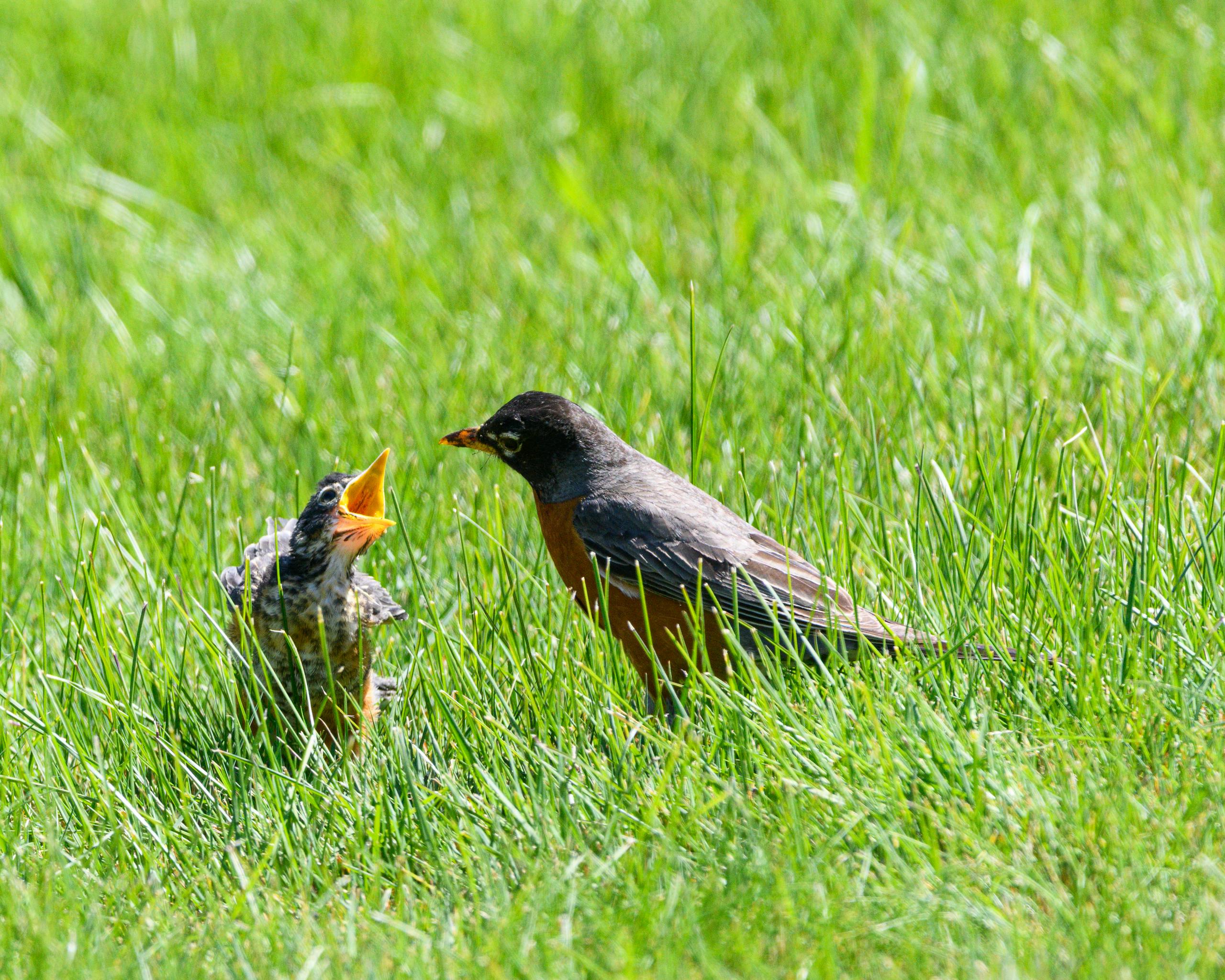
Feeding birds and other wildlife is something millions of people do with good intentions. A bird feeder in the backyard, a handful of nuts for chipmunks on the patio, or even tossing food to animals while visiting natural areas all feel like small, kind gestures. But are these actions truly beneficial for wildlife, or can they quietly cause more harm than good? According to biologists and wildlife researchers, the answer isn’t a simple yes or no. It depends heavily on context, location, and which animals are being fed.
Biologists Michael Reed and Michael Romero from Tufts University emphasize that feeding wildlife exists in a gray area. Some forms of feeding can support animals and even conservation efforts, while others can disrupt ecosystems, endanger people, and put animals at risk.
Bird Feeders and Backyard Wildlife: Potential Benefits
One of the most common ways people interact with wildlife is through bird feeders, especially in suburban and urban areas. Research over several decades suggests that bird feeders may have contributed to range expansion for certain bird species in the eastern United States. Some birds appear to have adjusted their winter behavior or extended their geographic presence due to reliable food sources provided by humans. However, Reed points out that the scientific evidence on how strong this effect really is remains limited and not entirely conclusive.
Romero, whose work focuses on stress in animal populations, suggests that bird feeders likely reduce stress for birds during winter months. Cold temperatures and scarce food can be physically demanding, and feeders can help birds meet their daily energy needs more easily. This reduced pressure to constantly forage may allow birds to conserve energy and survive harsh conditions.
Another benefit often overlooked is the human side of the equation. Bird feeders bring people closer to nature. Reed highlights that many individuals develop a love for birds precisely because they observe them regularly at feeders. This connection can translate into real-world action, such as voting for land conservation policies, donating to wildlife organizations, or supporting habitat protection initiatives. From a conservation standpoint, this indirect benefit can positively impact bird populations on a much larger scale.
Do Bird Feeders Create Dependency?
A common concern is whether feeding birds makes them dependent on humans. According to Reed, this fear is largely overstated. Most people use bird feeders seasonally, typically during winter, and remove them in spring. Birds still rely primarily on natural food sources during breeding and warmer months.
Even in conservation programs involving endangered species, temporary human feeding is sometimes necessary. For example, young California condors released into the wild are initially fed by humans to help them transition safely into natural foraging. While dependency exists at the beginning, it is intentional and designed as part of a broader rewilding strategy.
When Feeding Wildlife Becomes a Problem
While bird feeders in backyards can be beneficial, Romero stresses that feeding wildlife in natural environments such as national parks or wilderness areas is a serious mistake. Animals like bears should never associate humans with food. Once that connection is formed, animals may approach people aggressively, putting both human and animal lives at risk. In many cases, wildlife that becomes habituated to human food is eventually relocated or euthanized.
Even in suburban and urban settings, feeding certain animals can create problems. Romero warns against attracting species that commonly carry rabies, such as raccoons and skunks. Leaving food out may unintentionally invite these animals closer to human homes, increasing health risks.
Feeding feral cats and coyotes is also discouraged. Romero recalls a case near Tufts University where a person feeding a feral cat population was stopped due to public health concerns. Feeding predators can increase population densities, disrupt local ecosystems, and create dangerous interactions with people.
Unintended Consequences of Feeding Small Animals
Feeding smaller animals like chipmunks might seem harmless at first. Romero explains that while the chipmunks themselves may not suffer significant negative effects, the presence of food can attract other, more problematic animals. Skunks, raccoons, and even bears may follow the scent, leading to property damage or disease exposure.
This highlights a recurring theme in wildlife management: what helps one species may create serious problems elsewhere.
How Humans Feed Wildlife Without Realizing It
Not all wildlife feeding is intentional. Reed points out that changes in landscaping and land use can act as large-scale feeding programs. A clear example is the Canada goose. Fifty years ago, geese were not year-round residents in much of the northeastern United States. Today, manicured lawns provide a consistent food source, allowing geese to stay all year.
When humans create vast, food-rich environments, animals respond accordingly. Reed notes that people often complain about geese fouling lawns, yet those same lawns are what attract the birds in the first place. His advice is straightforward: replace grass lawns with native plants that support pollinators and local ecosystems instead of concentrating food for a few dominant species.
Beyond Feeders: Better Ways to Support Wildlife
While feeding wildlife can be helpful in limited situations, many experts agree that habitat creation is far more effective in the long run. Native plants provide insects, seeds, shelter, and nesting sites that animals evolved to depend on. Unlike feeders, which concentrate animals in small spaces, natural habitats support biodiversity more evenly and reduce disease transmission.
Planting native trees, shrubs, and flowers also supports pollinators like bees and butterflies, which are critical for ecosystem health. These approaches help wildlife without creating dependency or risky human-animal interactions.
What Science Says Overall
The scientific consensus is clear but nuanced. Feeding small birds in backyards, especially during winter, can be beneficial when done responsibly. Feeding wildlife in natural habitats or offering food to large mammals almost always leads to negative outcomes. Disease spread, behavioral changes, increased human conflict, and ecological imbalance are real risks.
In short, feeding wildlife is neither inherently good nor bad. It’s a tool that can help or harm depending on how, where, and why it’s used.
Extra Insight: Why Concentrated Feeding Changes Animal Behavior
When food is naturally scarce and spread out, animals must forage over wide areas. Artificial feeding concentrates resources in one place, which can increase competition, alter social hierarchies, and make animals more vulnerable to predators and disease. Over time, these changes can ripple through entire ecosystems, affecting species that were never directly fed.
This is why many conservationists argue that restoring ecosystems is more effective than supplementing food. Healthy ecosystems feed wildlife naturally, without unintended consequences.
Final Thoughts
If you enjoy feeding birds, doing so thoughtfully and seasonally is unlikely to cause harm and may even provide real benefits. But feeding wildlife indiscriminately, especially outside of backyards, often creates more problems than it solves. Supporting wildlife works best when humans focus less on handouts and more on protecting and restoring natural habitats.
Research reference:
https://academic.oup.com/bioscience/article/61/12/1014/245529