New Palm Testing Method Helps Identify Trees at Risk of Dangerous Trunk Rot
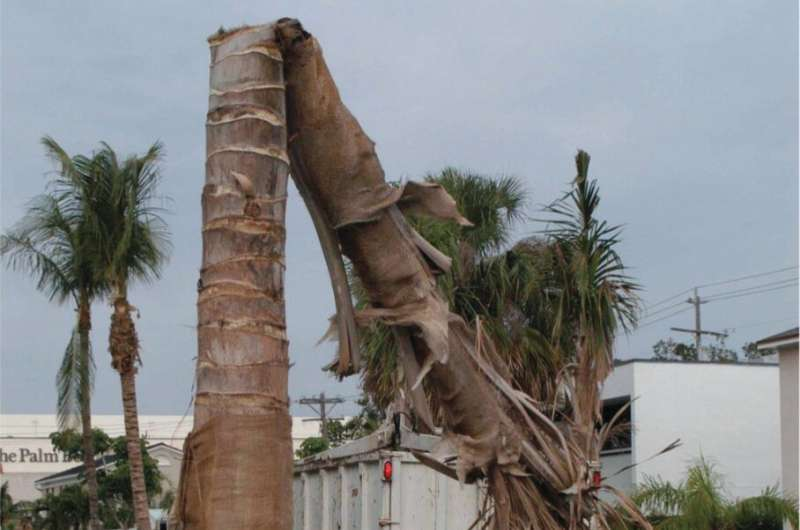
Palm trees are some of the most recognizable symbols of warm climates, especially in places like Florida where they line streets, beaches, and neighborhoods. But behind their iconic look lies a growing problem: a destructive fungal disease that can cause a palm to suddenly buckle or collapse without warning. A new tool developed by researchers at the University of Florida’s Institute of Food and Agricultural Sciences (UF/IFAS) offers a major step forward in spotting which palms are vulnerable before disaster strikes. This article breaks down exactly how the tool works, what scientists discovered, and why it matters for everyone from homeowners to landscape designers.
Understanding the Threat of Trunk Rot
The disease at the center of this research is Thielaviopsis trunk rot, a fungal infection that can affect nearly every part of a palm, including the roots, trunk, fronds, and even flowers. One of the biggest challenges with this disease is that symptoms rarely appear on the outside of the tree. Many palms look completely healthy until the trunk suddenly collapses, often leaving homeowners shocked and unsure what went wrong.
The fungus belongs to a group known for causing damage worldwide across many crops, including sugarcane, pineapple, bananas, and palms. On palm trees, it is especially sneaky because there are no early signs. The infection often begins when the fungus enters through fresh wounds—these may come from pruning cuts, mechanical injuries, or environmental damage. From there, it spreads inside the trunk and weakens structural tissues, particularly those that are non-lignified or lightly lignified, which are common in the upper parts of the trunk.
This combination of hidden infection and sudden collapse has made detection extremely difficult in the past.
The Problem With Traditional Testing
Before this new study, testing palm resistance to fungal pathogens required using whole plants, often sacrificing the tree in the process. These tests took six months to an entire year to produce results, required extensive labor, and were costly. For long-lived woody plants like palms—especially those with only one growing point at the top of an unbranched trunk—this method was far from ideal.
Because of these limitations, there has been very little comprehensive information on which palm species are naturally resistant or susceptible to trunk rot. This lack of knowledge has left homeowners, landscapers, developers, and city planners with very few guidelines on which palms are safest to plant in areas where the disease is common.
How the New Tool Works
The team at UF/IFAS created a non-destructive, fast, and simple test that relies on detached leaflets rather than the entire palm. These leaf pieces are exposed to the fungus in a laboratory and closely monitored. Instead of waiting months, researchers can determine resistance in about three days.
This method has several important advantages:
- It allows testing without harming the tree.
- It makes it possible to test the same palm multiple times with different fungal isolates.
- It accelerates early-phase treatment testing, such as fungicides or biological controls.
- It has the potential to support breeding programs aimed at creating resilient palm varieties.
The methodology was developed using palms at the U.S. Department of Agriculture’s Agricultural Research Service (USDA-ARS) research hub in Miami, a large facility with extensive palm collections.
What Researchers Found
Using this new testing system, the research team evaluated 29 palm species across 17 genera. The results revealed that 79% of the palms showed resistance to Thielaviopsis trunk rot. While this is a positive finding, the study also uncovered several species that demonstrated noticeable variability in resistance.
Palms that showed inconsistent or lower resistance included:
- Puerto Rico royal palms
- Coconut palms
- Buccaneer palms
These findings are important because many of these species are commonly planted in residential and commercial landscapes.
On the other hand, several species exhibited strong resistance, which can guide future planting decisions and potentially reduce the risk of sudden tree loss in public or private spaces.
What This Means for Landscapes and Palm Growers
For Florida and other palm-rich regions, this tool provides a new way to make informed decisions before placing palms in landscapes. With better data on natural resistance patterns, groups such as:
- homeowners,
- homeowner associations,
- landscape architects,
- city planners,
- transportation departments, and
- conservation organizations
will now have the ability to choose palm species that are less likely to succumb to trunk rot.
This information is especially useful because palms are often planted for their beauty and longevity. A sudden collapse not only poses safety risks but also leads to expensive removals and replacements.
Researchers also emphasized that the tool has major implications for breeding and conservation. By identifying species with valuable genetic resistance traits, future palm varieties may be developed that are better equipped to withstand fungal threats.
More Work Still Needed
Although the study represents the first large-scale survey of this kind, the researchers pointed out that the work is far from complete. Only five of the twelve palm species native to Florida were included in the initial tests, leaving several important species unexamined.
Additionally, other popular palms—such as Canary Island date palms, royal palms, Washingtonia palms, and date palms—still need to be evaluated using the new method. Many of these are widely planted in residential and commercial areas, so a full understanding of their resistance profiles will be especially valuable.
A Closer Look at Why This Matters
Palm trees are more than just decorative elements. They play a role in regional identity, tourism, landscaping value, and ecological systems. When a disease like Thielaviopsis trunk rot moves silently through palm populations, the long-term impacts can be significant.
A few of the broader implications include:
- Economic sustainability: Property owners and cities spend thousands on palm maintenance. Knowing which species resist disease can lower costs.
- Public safety: A collapsing palm trunk can be dangerous. Early detection and informed planting choices reduce this risk.
- Biodiversity conservation: Some palm species are rare or native to small regions. Understanding disease resistance helps protect these populations.
- Agricultural development: Since similar fungal groups affect crops like bananas and sugarcane, insights gained from this palm research may influence studies on other plants as well.
Additional Background on Palm Diseases
To help readers better understand the context, here are a few important points about palm diseases in general:
- Many palm diseases spread through wounds, making proper pruning practices essential.
- Fungal pathogens often thrive in warm, moist environments, which is why Florida is a hotspot for these infections.
- Palm anatomy—especially their single growing point—makes them uniquely vulnerable. When the central bud or trunk is damaged, the entire tree is at risk.
- Because palms do not compartmentalize decay the way some trees do, internal infections can spread more freely inside the trunk.
Understanding these characteristics helps explain why a rapid testing tool is such a meaningful advancement.
Looking Ahead
The development of this detached-leaflet assay marks an important step toward building healthier, more resilient palm landscapes. As more species are tested and more data becomes available, palm growers, landscapers, and homeowners will have clearer guidelines than ever before. The study opens doors to improved treatment strategies, proactive planning, and deeper knowledge about disease resistance within one of the world’s most beloved plant groups.
Research Paper:
Detached leaflet assay for palms identifies variable disease resistance to Thielaviopsis species (Plant Disease, 2025).
https://doi.org/10.1094/pdis-07-25-1577-re