Rising Seas Are Putting Florida’s State Tree at Risk but New Research Points to a Practical Solution
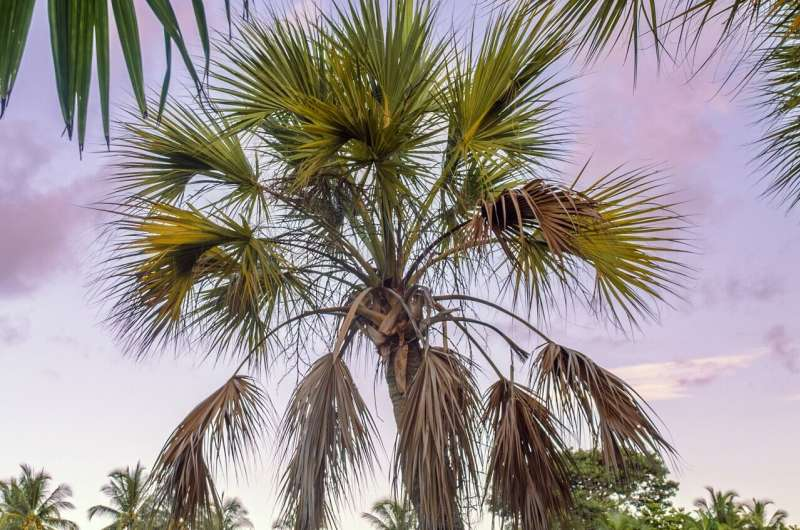
Florida’s iconic Sabal palmetto, better known as the cabbage palm, is more than just a familiar sight across the state. It is Florida’s official state tree, deeply tied to the region’s identity, ecosystems, and landscaping industry. But as sea levels continue to rise and coastal soils become increasingly salty, even this hardy symbol of Florida is facing serious challenges. New scientific research, however, suggests that a surprisingly simple and affordable treatment could help young palms survive in these changing conditions.
Recent findings from researchers associated with Florida International University (FIU) and collaborating institutions show that silicon, a widely available soil amendment, can significantly improve the ability of young cabbage palms to tolerate salt stress. The study, published in the peer-reviewed journal HortScience, offers both a warning and a sense of cautious optimism for the future of Florida’s landscapes.
Understanding Why Rising Seas Are a Problem for Palms
Sea-level rise is not just about flooding coastlines. One of its less visible but equally damaging effects is saltwater intrusion. As ocean water pushes inland, salt seeps into groundwater and soils that were once fresh. For many plants, especially young ones, excess salt interferes with water uptake, damages root systems, and disrupts essential physiological processes.
While mature cabbage palms are often seen growing near coastlines and are relatively tolerant of salt compared to many other species, seedlings and young palms are far more vulnerable. Early growth stages are critical, and failure at this point can affect long-term population survival, restoration efforts, and nursery production.
The Research Team and Study Design
The research was led by Pedro Gonzalez, a graduate student in FIU’s Conservation and Sustainable Horticulture Lab. He worked alongside Amir Khoddamzadeh from FIU’s Earth and Environment Department and Institute of Environment, Patrick Griffith of the Montgomery Botanical Center in Coral Gables, and Madhugiri Nageswara-Rao from the USDA Agricultural Research Service Subtropical Horticulture Research Station in Miami.
To test how young cabbage palms respond to salty conditions, the team conducted a 12-month greenhouse experiment using 96 one-year-old seedlings. The setup was carefully controlled and designed to mimic the kinds of salinity levels palms might experience as coastal conditions worsen.
The seedlings were watered with solutions containing different salt concentrations, ranging from low to extremely high. Salinity levels included 10 parts per thousand (ppt), 30 ppt, and 50 ppt, with the highest level being roughly comparable to seawater. At the same time, researchers added small amounts of silicon to the soil in varying doses to observe how it influenced plant health and survival.
What Happens to Palms Without Silicon
The results made one thing very clear: salinity alone is devastating to young cabbage palms. As salt levels increased, untreated seedlings showed sharp declines in growth, leaf production, and chlorophyll content. Chlorophyll is essential for photosynthesis, so its reduction signals serious stress and declining plant health.
At the highest salinity level of 50 ppt, untreated seedlings failed entirely. All of them died, demonstrating that young cabbage palms cannot survive seawater-level salinity without some form of intervention.
These findings also helped researchers define an ecological threshold for seedling survival. Knowing the point at which palms can no longer tolerate salt is crucial for future coastal restoration planning and landscape management.
How Silicon Makes a Difference
When silicon was added to the soil, the picture changed significantly. At moderate salinity levels (10–30 ppt), silicon-treated seedlings performed much better than untreated ones. They retained higher chlorophyll levels, produced more leaves, and maintained stronger overall growth.
Even under more extreme salinity conditions, silicon helped seedlings partially preserve their physiological function, although survival rates at the highest salt concentration remained low. In other words, silicon did not make young palms invincible, but it clearly improved their chances under stressful conditions.
Silicon is known for its ability to enhance plant resilience. It helps improve water retention, strengthens cell walls, and supports internal processes that allow plants to cope better with environmental stress. Its sponge-like interaction with water is especially valuable in salty soils, where water becomes harder for roots to absorb.
Why Silicon Is a Practical Solution
One of the most important aspects of this study is that silicon is not an experimental or exotic treatment. It is already widely used in agriculture and horticulture and is commercially accessible and affordable. In fact, silicon has even been used by NASA in experiments to grow plants in space, highlighting its versatility and reliability.
According to the researchers, only a few grams of silicon mixed with water can make a meaningful difference for young palms. This simplicity makes it especially appealing for ornamental plant nurseries, landscapers, and restoration projects, all of which need cost-effective solutions that can be applied at scale.
Why This Matters for Florida’s Economy and Ecosystems
The cabbage palm is not just a symbol. It plays a real economic role in Florida. The species supports a multibillion-dollar landscaping and nursery industry, providing thousands of jobs across the state. Palms are a staple of residential developments, public spaces, and tourist areas, making their health directly tied to Florida’s economy.
Ecologically, cabbage palms provide habitat and food for wildlife, contribute to coastal stability, and help define native plant communities. Losing young palms to salt stress would affect not only future landscapes but also long-term ecosystem resilience.
Guidance for Future Planting and Restoration
Beyond nurseries, the study offers useful guidance for land managers and coastal communities. One approach may be to plant more mature palms, which are naturally more salt-tolerant, in areas at higher risk of saltwater intrusion. Another option is to prioritize native species that are better adapted to increasing salinity.
Silicon treatment could become a valuable tool during the early growth stages, giving seedlings a better chance to establish themselves before facing harsher conditions.
What This Research Tells Us About Climate Change Adaptation
This study highlights a broader truth about climate change adaptation: not every solution needs to be complex or futuristic. Sometimes, small, targeted interventions can significantly improve resilience. While silicon will not stop sea-level rise, it can help buy time and reduce losses in vulnerable plant populations.
As South Florida and other coastal regions continue to face rising seas and saltwater intrusion, research like this provides practical, science-based options for protecting iconic species and the systems that depend on them.
Research Reference
Enhancing Cabbage Palm Resilience to Saltwater Stress through Silicon Applications – HortScience (2025)
https://journals.ashs.org/view/journals/hortsci/60/9/article-p1547.xml