Scientists Build an Artificial Metabolism That Turns Waste CO₂ Into Useful Chemicals
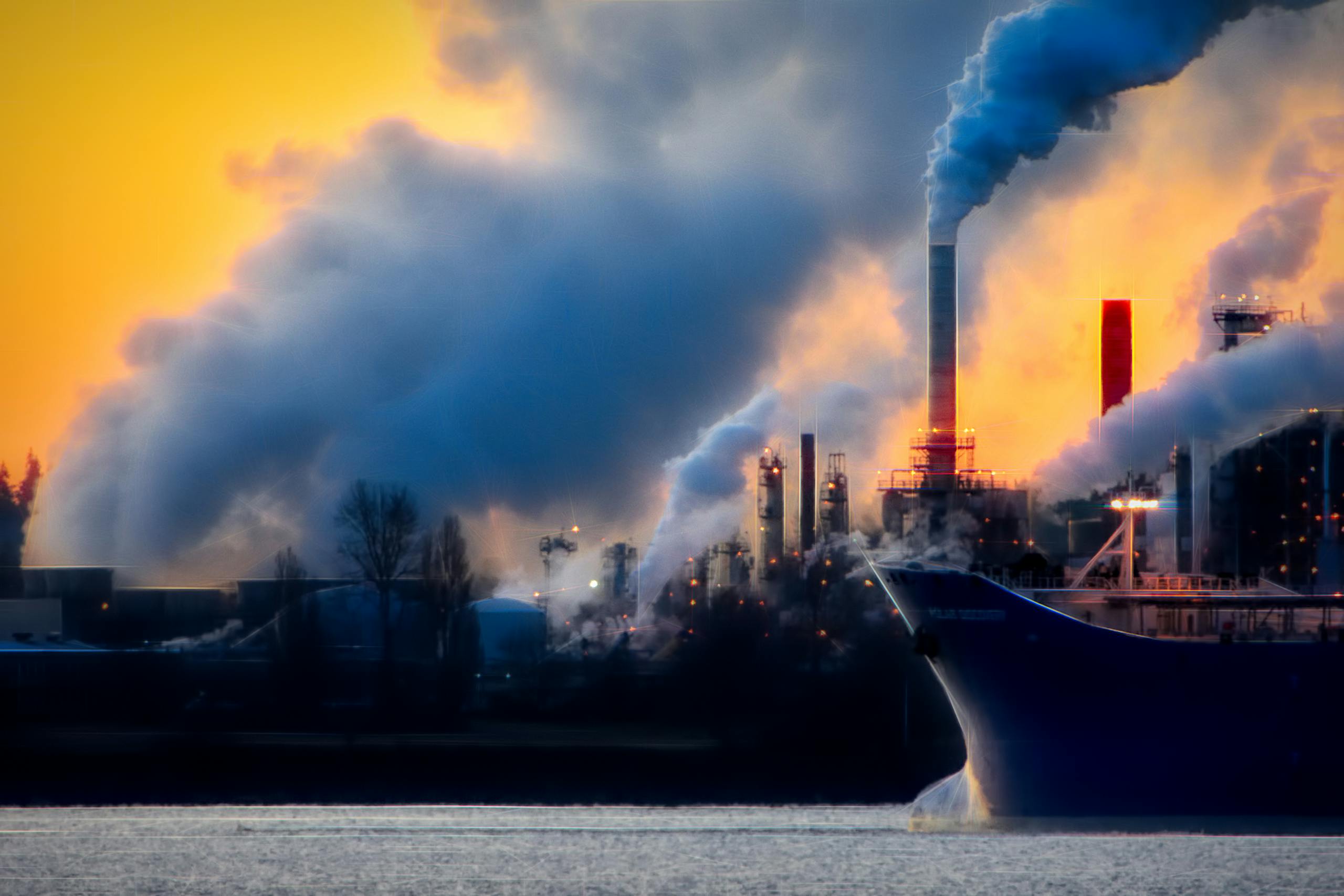
Researchers from Northwestern University and Stanford University have achieved something that nature itself never figured out how to do. They have created a fully artificial metabolic system that can transform waste carbon dioxide (CO₂) into valuable chemical building blocks, potentially opening new pathways for carbon-neutral and carbon-negative manufacturing.
At the center of this breakthrough is a synthetic biochemical pathway called the Reductive Formate Pathway, or ReForm. Unlike natural metabolic pathways that exist inside living cells, ReForm is entirely human-designed and operates outside of living organisms. This gives scientists unprecedented control over how carbon moves from waste gas to useful materials.
Turning CO₂ Into Something Valuable
The process begins with formate, a simple liquid molecule that can be produced easily by reducing CO₂ using electricity and water. Formate has attracted growing attention as a potential carbon carrier because it is easy to store, transport, and generate using renewable energy.
The challenge is that living organisms are terrible at using formate efficiently. Only a handful of obscure microbes can metabolize it naturally, and even those organisms are difficult to engineer for industrial-scale chemical production. More importantly, nature has no pathway that converts formate into acetyl-CoA, one of the most important molecules in all of biology.
Acetyl-CoA is often described as a universal metabolic currency. Every living cell uses it to build essential compounds such as fats, amino acids, and many other complex molecules. If scientists can reliably produce acetyl-CoA from CO₂, it becomes a gateway to manufacturing an enormous range of products from captured carbon.
That is exactly what ReForm does.
What Makes ReForm Different From Nature
ReForm is a six-step synthetic metabolic pathway built from engineered enzymes that perform chemical reactions never observed in nature. Instead of evolving over millions of years, this pathway was designed on paper, optimized in the lab, and assembled piece by piece.
To make this possible, the research team used cell-free synthetic biology. In this approach, scientists extract the molecular machinery of cells—enzymes, cofactors, and supporting molecules—and use them in a test tube rather than inside a living organism.
This approach offers several major advantages:
- Precise control over enzyme concentrations
- Freedom to optimize reaction conditions without harming cells
- Faster experimentation and iteration
- No biological “survival constraints” limiting performance
Because the system does not need to keep a cell alive, it can be pushed far beyond what natural metabolism would tolerate.
Screening Thousands of Enzymes at High Speed
Before building the final pathway, the researchers needed enzymes capable of catalyzing reactions that do not naturally exist. Using the cell-free platform, they were able to screen 66 different enzymes and more than 3,000 enzyme variants.
This level of testing would have taken months or years in living cells. In a cell-free system, the team could test thousands of variants per week, dramatically accelerating discovery and optimization.
From this massive screening effort, the researchers selected five engineered enzymes that, when combined with one additional reaction step, formed the complete ReForm pathway. Together, these enzymes successfully converted formate into acetyl-CoA with measurable efficiency.
Proof of Concept: Making Malate
To demonstrate that acetyl-CoA produced by ReForm is genuinely useful, the team went one step further. They used the pathway’s output to produce malate, a commercially important compound.
Malate is widely used in:
- Food and beverage production
- Cosmetics and skincare products
- Biodegradable plastics and materials
This step showed that ReForm is not just a theoretical exercise. It can feed directly into real chemical manufacturing pathways, turning waste carbon into products that already have established markets.
Flexible Carbon Inputs Beyond Formate
Another key feature of ReForm is its flexibility. While formate was the main focus of the study, the researchers demonstrated that the system can also accept other one-carbon inputs, including formaldehyde and methanol.
This matters because methanol, in particular, is already produced globally at massive scale and is often discussed as a future carbon-neutral fuel and feedstock. A system that can accept multiple carbon sources dramatically increases its practical usefulness.
Why Carbon Recycling Needs New Biology
Nature already has several ways to fix carbon, such as photosynthesis and microbial CO₂ assimilation pathways. However, these systems evolved for survival, not speed or industrial output. They simply cannot keep up with the rate at which humans emit CO₂.
The ReForm pathway represents a different philosophy. Instead of modifying existing biological systems, it starts from scratch, combining the best elements of electrochemistry and synthetic biology. Electricity reduces CO₂ into formate, and engineered enzymes upgrade that formate into complex molecules.
This hybrid approach may prove essential for future carbon recycling strategies, especially as renewable electricity becomes cheaper and more abundant.
The Importance of Cell-Free Metabolism
Running metabolism outside living cells is a growing trend in biotechnology. Cell-free systems are already used to produce proteins, vaccines, and specialty chemicals. This research shows that they can also support complex, multi-step metabolic pathways.
Key advantages of cell-free metabolism include:
- No competition with cell growth
- No toxicity limits from intermediates
- Faster optimization cycles
- Easier scaling for certain applications
ReForm adds to the growing evidence that cell-free biomanufacturing could play a major role in future sustainable industries.
What This Means for Sustainable Manufacturing
If further optimized and scaled, systems like ReForm could enable:
- Carbon-negative chemical production
- Sustainable fuels made from captured CO₂
- Plastics and materials with lower environmental footprints
- Distributed manufacturing using renewable electricity
While this study is still at the laboratory stage, it provides a clear technical foundation for building industrial processes that transform waste carbon into value instead of releasing it into the atmosphere.
Looking Ahead
The researchers plan to further optimize ReForm, explore alternative pathway designs, and use the same tools to engineer entirely new enzymes and metabolic systems. The broader goal is not just one pathway, but a toolkit for designing metabolism itself.
By stepping beyond what biology evolved to do naturally, this work points toward a future where chemistry and biology are deliberately integrated to solve climate and sustainability challenges.
Research Paper:
https://doi.org/10.1038/s44286-025-00315-6