Scientists Identify Nine Previously Unknown Butterfly Species from South America Using Museum Specimens and DNA Analysis
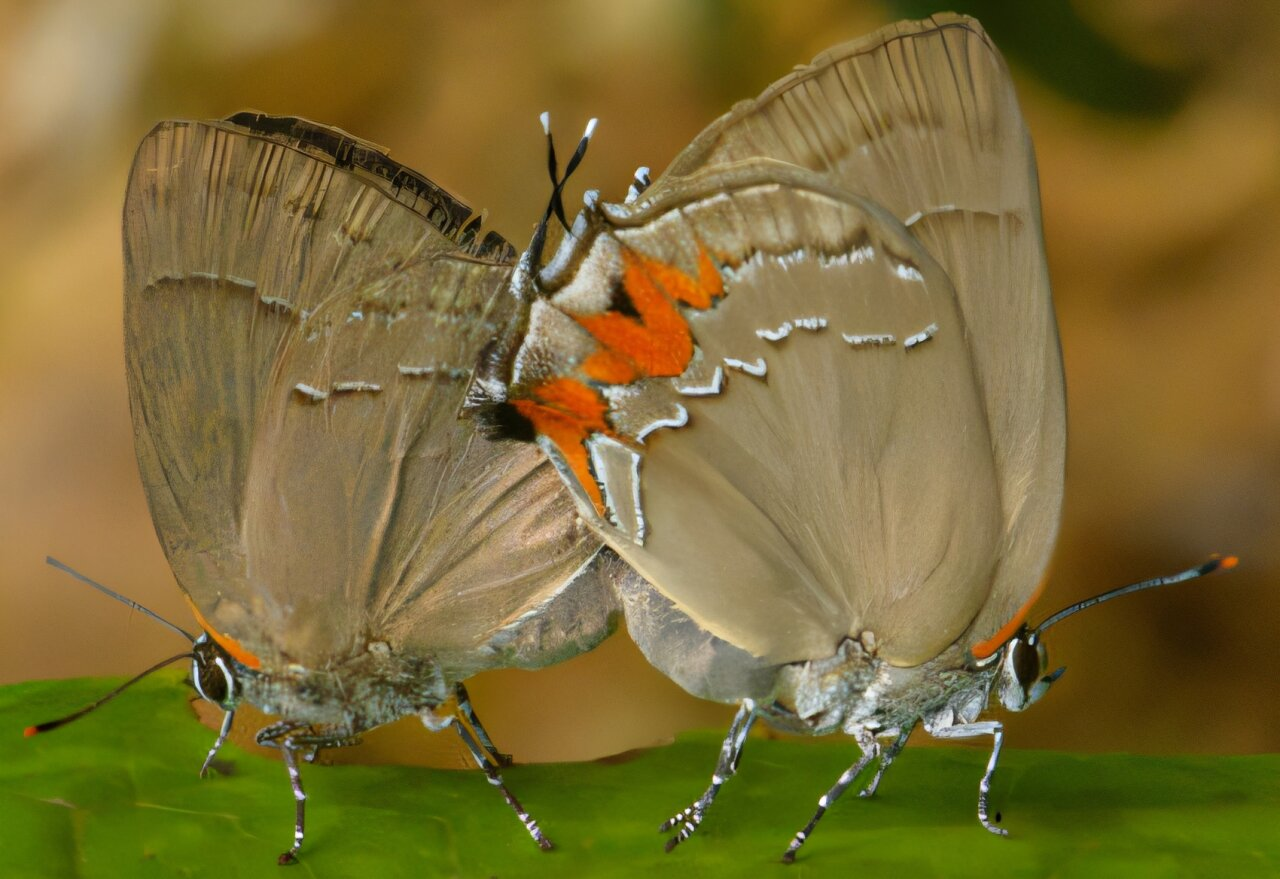
Scientists have confirmed the discovery of nine new species of butterflies from South America, not by trekking through dense rainforests, but by closely studying specimens that have been quietly preserved for decades — and in some cases centuries — inside London’s Natural History Museum. The research shows how modern science, especially DNA sequencing, is transforming what we can learn from historical collections and revealing biodiversity that was hiding in plain sight.
The discovery was made by an international team of researchers who combined genetic data, physical characteristics, and geographical information to untangle a group of butterflies that were long considered too similar to separate into distinct species. Their findings were published in the peer-reviewed journal Zootaxa, a well-known platform for zoological taxonomy.
How Old Museum Specimens Led to New Species
Butterflies are often thought of as easy to identify because of their colorful wings, but in reality, many species are extremely difficult to distinguish. Some species closely resemble each other due to mimicry, while others vary only in very subtle anatomical details. In this case, the butterflies belonged to a group known as the Thereus genena species group, part of the Theclinae subfamily, commonly called hairstreak butterflies.
For years, scientists believed this group contained only five species, with several names considered synonyms of the same species. However, advances in DNA sequencing technology allowed researchers to extract genetic material from specimens collected over 100 years ago, sometimes using just a tiny piece of tissue, such as a single butterfly leg smaller than an eyelash.
By comparing this ancient DNA with modern genetic data, scientists were able to confirm that several butterflies once thought to be identical were actually distinct species.
The Role of DNA, Morphology, and Geography
The research team analyzed more than 1,000 butterfly specimens from museum collections around the world. Their approach relied on three main pillars:
- Molecular analysis, using DNA sequencing to identify genetic differences
- Morphological analysis, focusing on fine physical details such as wing patterns and male secondary sexual structures
- Geographical distribution, examining where each specimen was originally collected
This combination proved essential. In some cases, butterflies looked nearly identical on the surface but showed clear genetic separation. In others, small physical traits supported what the DNA was already revealing.
The results confirmed the existence of nine previously unnamed species from Colombia, Peru, Brazil, and French Guiana, all regions known for their rich but threatened biodiversity.
Why These Discoveries Matter Now
One of the most concerning findings from the study is that some of these newly identified species may already be at risk. Several specimens were collected more than a century ago from habitats that have since been heavily altered or destroyed due to deforestation and land-use change.
This means that some species may now exist only in museum collections, or survive in very small, unstudied populations. Identifying and naming these species is a crucial first step in assessing their conservation status and deciding whether protection measures are needed.
The research team intentionally prioritized species from tropical forests, which are experiencing some of the fastest rates of habitat loss on Earth.
Naming the New Species
The naming of the new butterflies reflects both geography and scientific recognition. Some species were named after the regions where the original specimens were found, such as Thereus cacao, while others honor scientists who dedicated their lives to studying butterflies, like Thereus ramirezi.
One particularly fitting name is Thereus confusus, chosen to reflect the long-standing taxonomic confusion surrounding this group. The name highlights just how challenging it has been for scientists to separate these species based on appearance alone.
The Importance of the Natural History Museum
This discovery would not have been possible without the extensive collections housed at the Natural History Museum in London, which cares for around five million butterfly specimens, representing roughly 6% of its total collection. Some of these specimens date back to the 1600s, making them an irreplaceable record of life on Earth.
Museum collections allow scientists to study species that may no longer be found in the wild and to track changes in biodiversity over time. When combined with modern genomics, these collections become powerful tools for uncovering hidden diversity and understanding how species evolve.
The research was conducted as part of the AMISTAD project, an international effort focused on unlocking the scientific value of historical insect collections through genetic analysis.
Why Hairstreak Butterflies Are So Challenging
Hairstreak butterflies, part of the Lycaenidae family, are among the most species-rich butterfly groups in the Neotropics. They are known for their small size, subtle coloration, and tail-like extensions on their wings.
Many hairstreak species engage in visual mimicry, evolving similar patterns to confuse predators. While this strategy works well in nature, it creates major challenges for taxonomists trying to classify them accurately. Without genetic tools, many species remain lumped together under a single name.
This study demonstrates how modern techniques are reshaping butterfly taxonomy and correcting decades of assumptions.
Museum Genomics and the Future of Biodiversity Research
The success of this research highlights a growing field known as museum genomics, which uses DNA from historical specimens to answer modern scientific questions. Improvements in sequencing technology now make it possible to study extremely fragile and degraded DNA without damaging valuable specimens.
As climate change and habitat loss accelerate, museum collections may hold the only remaining evidence of species that disappear before they are fully understood. Studies like this one show that biodiversity discovery is far from over — it is simply taking place in new ways.
A Bigger Picture of Hidden Biodiversity
The identification of nine new butterfly species from existing collections serves as a reminder that Earth’s biodiversity is still vastly underestimated. Even well-studied groups like butterflies can contain hidden species waiting to be recognized.
By combining classical taxonomy with cutting-edge genetics, scientists are not only expanding our knowledge of life on Earth but also providing critical data for conservation efforts in some of the world’s most vulnerable ecosystems.
Research paper:
https://www.mapress.com/zt/article/view/zootaxa.5728.2.1