Strong Friendships Help Male Dolphins Age More Slowly, Revealing a Powerful Link Between Social Bonds and Biology
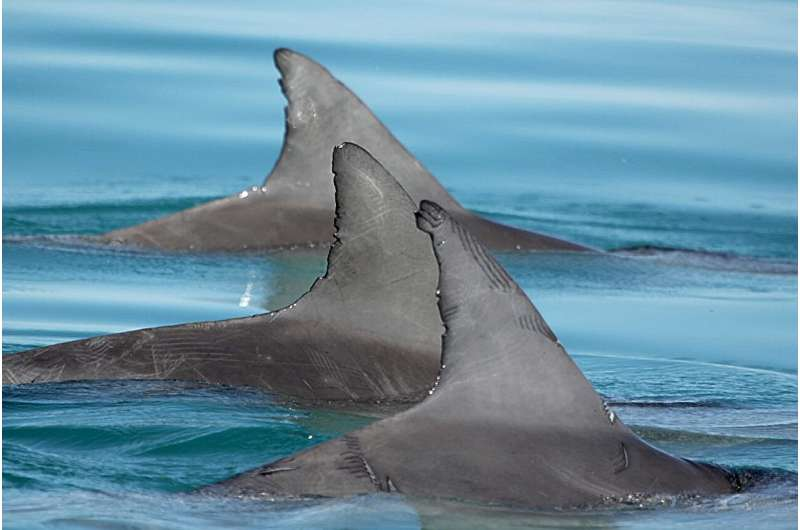
New research has revealed something both fascinating and deeply familiar: male bottlenose dolphins with strong social bonds age more slowly than those that live more solitary lives. The findings echo what decades of human research have already suggested—meaningful social connections are not just emotionally valuable, they are biologically important.
The study, led by scientists from the University of New South Wales (UNSW) and collaborators, shows for the first time that social relationships can directly influence biological aging in wild animals. Rather than simply helping animals live longer, friendships appear to slow down aging at the cellular level.
Dolphins Age Just Like We Do—But With a Social Twist
Like humans, dolphins show clear signs of aging over time. Older dolphins tend to move more slowly, show changes in skin condition, have reduced energy levels, and experience declining eyesight. Aging is unavoidable—but the rate at which it happens can vary widely.
What this research uncovered is that friendship acts as a natural buffer against aging, at least for male bottlenose dolphins. Those with close, long-term companions were biologically younger than dolphins of the same chronological age who lacked strong social ties.
In other words, two dolphins could be the same age in years, but the one with better friendships showed slower cellular aging.
Why the Study Focused on Male Dolphins
The researchers chose to focus specifically on male bottlenose dolphins, and the reason is rooted in dolphin social structure.
Female dolphins tend to form social relationships that are strongly influenced by reproduction. Their bonds often shift depending on whether they have calves of similar age, making their social networks more fluid and changeable over time.
Male dolphins, on the other hand, are known for forming stable, long-lasting friendships that can persist for decades. These relationships often resemble human friendships in striking ways. Male dolphins swim together, hunt cooperatively, rest side by side, surf waves for play, and support each other during conflicts and mating competition.
These enduring partnerships made male dolphins an ideal group for studying how long-term social bonds influence aging.
Where the Research Took Place
The study was conducted in Shark Bay, Western Australia, home to one of the world’s most well-studied dolphin populations. Scientists have been observing this population for many years, carefully documenting who associates with whom and how often.
This long-term dataset allowed researchers to build a detailed picture of dolphin social networks. Dolphins that were consistently observed swimming close together were considered to have strong social bonds, while those that spent less time with specific companions were considered more socially isolated.
Measuring Aging Beyond Just Years
Most aging studies—whether in animals or humans—focus on chronological age, meaning how many years an individual has been alive. But chronological age doesn’t always tell the full story about health or aging.
To go deeper, the researchers used a cutting-edge tool known as an epigenetic clock. This method analyzes specific DNA markers that change predictably as an organism ages. These markers provide an estimate of biological age, which reflects how old the body appears at a cellular level rather than how many birthdays have passed.
Epigenetic clocks are already widely used in human research to study how factors like stress, pollution, mental health, and social relationships affect aging. This study applied the same concept to wild dolphins.
What the Scientists Analyzed
The research team analyzed 50 skin tissue samples from 38 male bottlenose dolphins living in Shark Bay. These samples allowed scientists to measure DNA methylation patterns—chemical changes to DNA that are closely linked to aging.
By combining epigenetic data with detailed social observations, the researchers were able to compare biological aging rates with the strength and quality of each dolphin’s social bonds.
The results were clear and consistent: dolphins with stronger, tighter friendships showed slower biological aging.
Why Friendship Makes Such a Difference
Life in the ocean can be demanding. Dolphins must hunt for food, avoid predators like sharks, compete for mates, and navigate a constantly changing environment. Doing all of this alone is far more stressful than doing it with trusted companions.
Strong social bonds offer several advantages:
- Cooperative hunting, which reduces energy expenditure
- Mutual protection, including watching for predators
- Support during mating competition
- Reduced stress, which is a major driver of biological aging
Stress plays a key role in accelerating aging across species, including humans. Dolphins with close companions likely experience fewer chronic stressors, leading to healthier cellular aging over time.
Quality of Relationships Matters More Than Quantity
One particularly interesting finding is that relationship quality mattered more than social quantity. Simply being around many other dolphins did not necessarily slow aging. In fact, larger group sizes alone were not linked to better biological outcomes.
Instead, it was close, consistent, long-term bonds that made the difference. This mirrors findings in humans, where having a few deep, supportive relationships is often more beneficial than having many shallow social connections.
What This Means for Animal Welfare
The study challenges how we think about animal health and welfare. Social needs are often treated as optional or secondary, but this research suggests they are fundamental biological requirements for social species.
Understanding that social isolation can accelerate aging may influence how animals are managed in conservation programs, rehabilitation centers, and captivity. Ensuring opportunities for stable social relationships could play a role in promoting long-term health.
Broader Implications for Humans
The parallels with human health are hard to ignore. In people, strong social connections are linked to lower rates of heart disease, depression, cognitive decline, and premature mortality. This dolphin study reinforces the idea that social bonding is deeply embedded in mammalian biology.
The findings suggest that investing time and effort into meaningful relationships may be just as important for long-term health as diet, exercise, and medical care.
What Comes Next
This is the first study to directly show that social bonds reduce biological age in a wild mammal. Researchers hope to expand this work to other highly social species such as elephants, primates, and wolves.
If similar patterns are found, it would strengthen the idea that friendship is a natural anti-aging mechanism across social animals, not just a cultural or emotional phenomenon.
Research Reference
Social bonds decrease epigenetic age in male bottlenose dolphins, Communications Biology (2025)
https://doi.org/10.1038/s42003-025-09227-w