Study Debunks Long-Held Myth That Native Hawaiians Caused Bird Extinctions
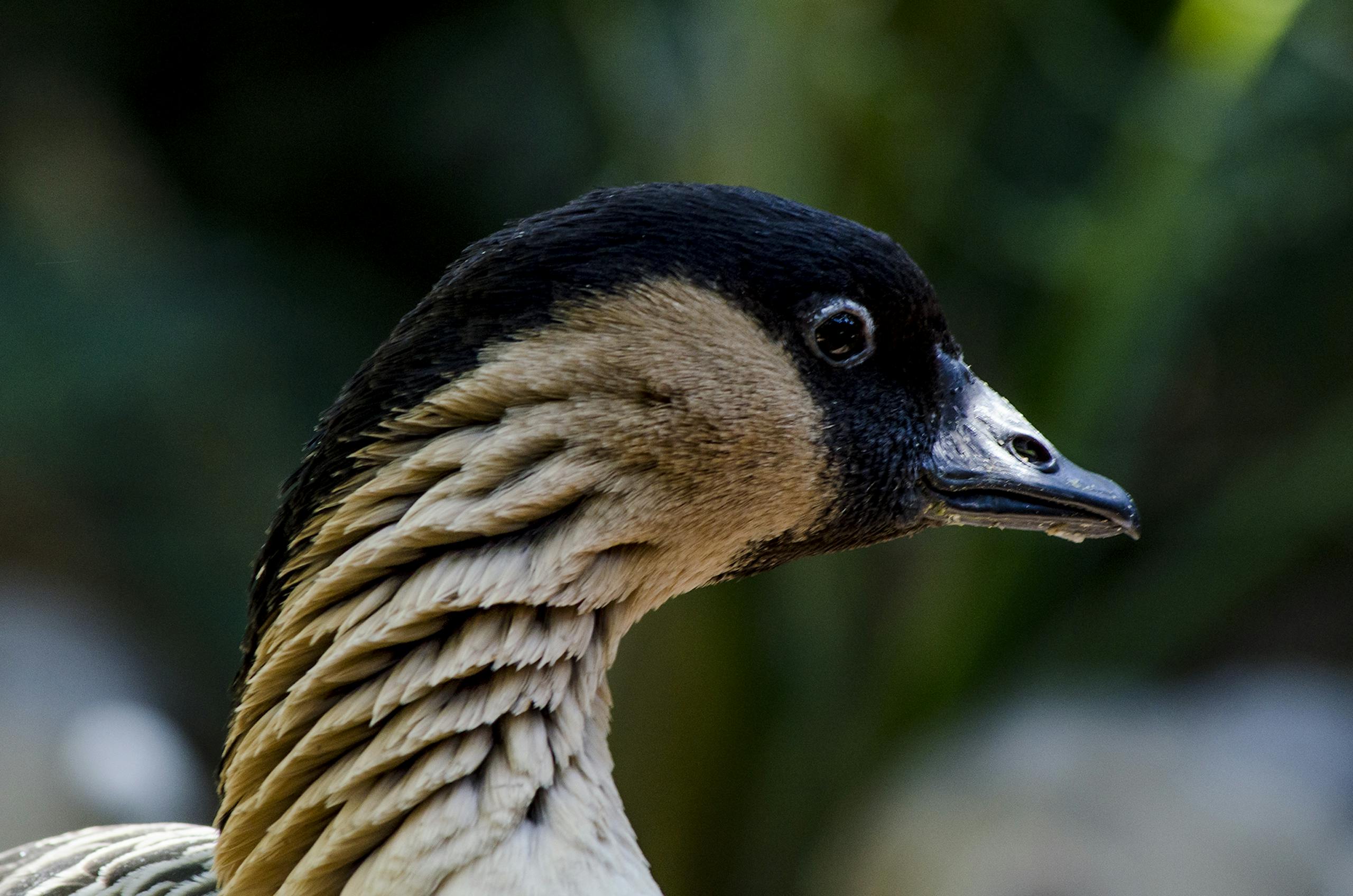
A long-standing belief about Hawaiʻi’s environmental history is now being challenged by new scientific research. A recent study from the University of Hawaiʻi at Mānoa has found no scientific evidence that Native Hawaiians were responsible for the extinction of the islands’ native waterbird species. This finding directly contradicts a narrative that has existed for nearly 50 years and has shaped conservation thinking, education, and policy in Hawaiʻi.
The study, published in the peer-reviewed journal Ecosphere, takes a close look at archaeological records, ecological data, climate history, and land-use changes to reassess why many of Hawaiʻi’s native waterbirds disappeared. Instead of blaming Indigenous hunting practices, the researchers propose a far more complex explanation rooted in environmental change, invasive species, and disruptions to Indigenous land management systems.
Re-examining a deeply rooted conservation narrative
For decades, conservation literature and popular understanding have repeated the idea that early Polynesian settlers hunted waterbirds to extinction. According to the authors of this new study, that conclusion was not based on solid evidence but rather on a broader assumption within conservation science: that humans inevitably damage ecosystems wherever they go.
The research team revisited the original evidence that supported this claim and found major gaps. There was no archaeological proof showing large-scale hunting of waterbirds by Indigenous Hawaiians, nor were there population patterns that matched what scientists would expect if over-hunting were the main cause of extinction.
Instead, the study highlights how earlier researchers often worked from a biased framework that separated humans from nature and assumed human presence automatically meant ecological collapse. This mindset, the authors argue, led to conclusions that unfairly placed blame on Indigenous communities without sufficient proof.
What really caused Hawaiʻi’s waterbird declines?
Rather than a single cause, the study introduces what researchers call a “regime shift extinctions” hypothesis. According to this idea, native waterbirds declined due to multiple overlapping factors, many of which occurred either before Polynesian arrival or after Indigenous stewardship systems were disrupted.
Key contributing factors identified in the study include:
- Climate change, including shifts in rainfall patterns that affected wetland ecosystems
- Invasive species, such as rats, mosquitoes, and non-native predators introduced later in Hawaiʻi’s history
- Land-use changes, particularly the draining of wetlands and conversion of land during and after European colonization
- The suppression of Indigenous land and water management practices, which had previously maintained healthy ecosystems
The researchers found that waterbird populations were likely most abundant just before European contact, when wetlands were actively managed as part of Native Hawaiian society. This directly challenges the idea that Indigenous practices led to ecological collapse.
Indigenous stewardship and wetland management
One of the most important insights from the study is the role of traditional Hawaiian wetland management, especially the use of loʻi, or wetland agro-ecosystems. These systems were not only used for growing food but also created ideal habitats for native waterbirds.
The research suggests that Indigenous Hawaiians carefully managed water flow, vegetation, and landscape structure in ways that supported both human needs and wildlife abundance. When these systems were dismantled during colonization, wetland habitats declined rapidly, and bird populations followed.
This finding aligns with a growing body of global research showing that Indigenous stewardship often enhances biodiversity, rather than harming it. The study reinforces the idea that conservation efforts should learn from, rather than exclude, Indigenous knowledge systems.
Implications for endangered waterbird recovery
The conclusions of this research have major implications for conservation in Hawaiʻi today. Several native waterbirds remain endangered, including:
- ʻAlae ʻula (Hawaiian gallinule)
- ʻAeʻo (Hawaiian stilt)
By shifting the narrative away from Indigenous blame, conservation strategies can now focus more clearly on habitat restoration, wetland recovery, and community-led stewardship. Recent studies already support the idea that restoring loʻi and other wetland systems can significantly improve waterbird populations.
The researchers argue that recognizing the historical success of Indigenous management can help Hawaiʻi move away from its reputation as the “Extinction Capital of the World” and toward becoming a global model for ecological recovery.
Repairing trust between communities and conservationists
Beyond science, the study addresses long-standing social consequences of the extinction narrative. For generations, Native Hawaiians have been criticized for supposedly causing the loss of their own native species. This belief contributed to mistrust, exclusion from conservation decision-making, and strained relationships between Indigenous communities and environmental organizations.
Leaders within the conservation community have acknowledged that this new research provides an opportunity to move past those untruths. By correcting the historical record, the study opens the door to more inclusive conservation approaches that involve Native Hawaiians as partners rather than obstacles.
This shift is especially important as conservation increasingly recognizes that ecological success depends not just on protecting species, but also on restoring relationships between people, land, and ecosystems.
A broader shift in conservation science
The authors of the study emphasize that this research reflects a broader evolution in ecological science. Modern researchers are increasingly encouraged to question long-standing assumptions, integrate multiple disciplines, and include Indigenous knowledge alongside Western scientific methods.
Historical ecology, the field that examines how ecosystems change over long periods of time, plays a key role here. How scientists interpret the past directly influences how they attempt to solve today’s environmental crises. According to the study, bringing together archaeology, climate science, ecology, and Indigenous knowledge leads to a more accurate and honest understanding of history.
This approach is not limited to Hawaiʻi. Similar reassessments are happening worldwide as scientists revisit extinction narratives that have historically blamed Indigenous peoples without sufficient evidence.
Why this study matters beyond Hawaiʻi
While the focus of the research is Hawaiʻi’s waterbirds, its implications are global. The study challenges the simplistic idea that human presence always equals environmental destruction and instead highlights how context, governance, and land management systems matter deeply.
In an era of accelerating climate change and biodiversity loss, conservationists are increasingly looking for models that actually work. This research adds weight to the argument that Indigenous-led conservation may be one of the most effective paths forward in a human-dominated world.
By debunking an outdated myth, the study not only corrects the scientific record but also encourages a more respectful, evidence-based, and collaborative approach to protecting nature.
Research reference
Kristen C. Harmon et al., The “regime shift extinctions” hypothesis and mass extinction of waterbirds in Hawaiʻi, Ecosphere (2026).
https://esajournals.onlinelibrary.wiley.com/doi/10.1002/ecs2.70445