Tick Encounters Are Exploding for Northeastern US Farmers as New Research Warns of Rising Disease Risks
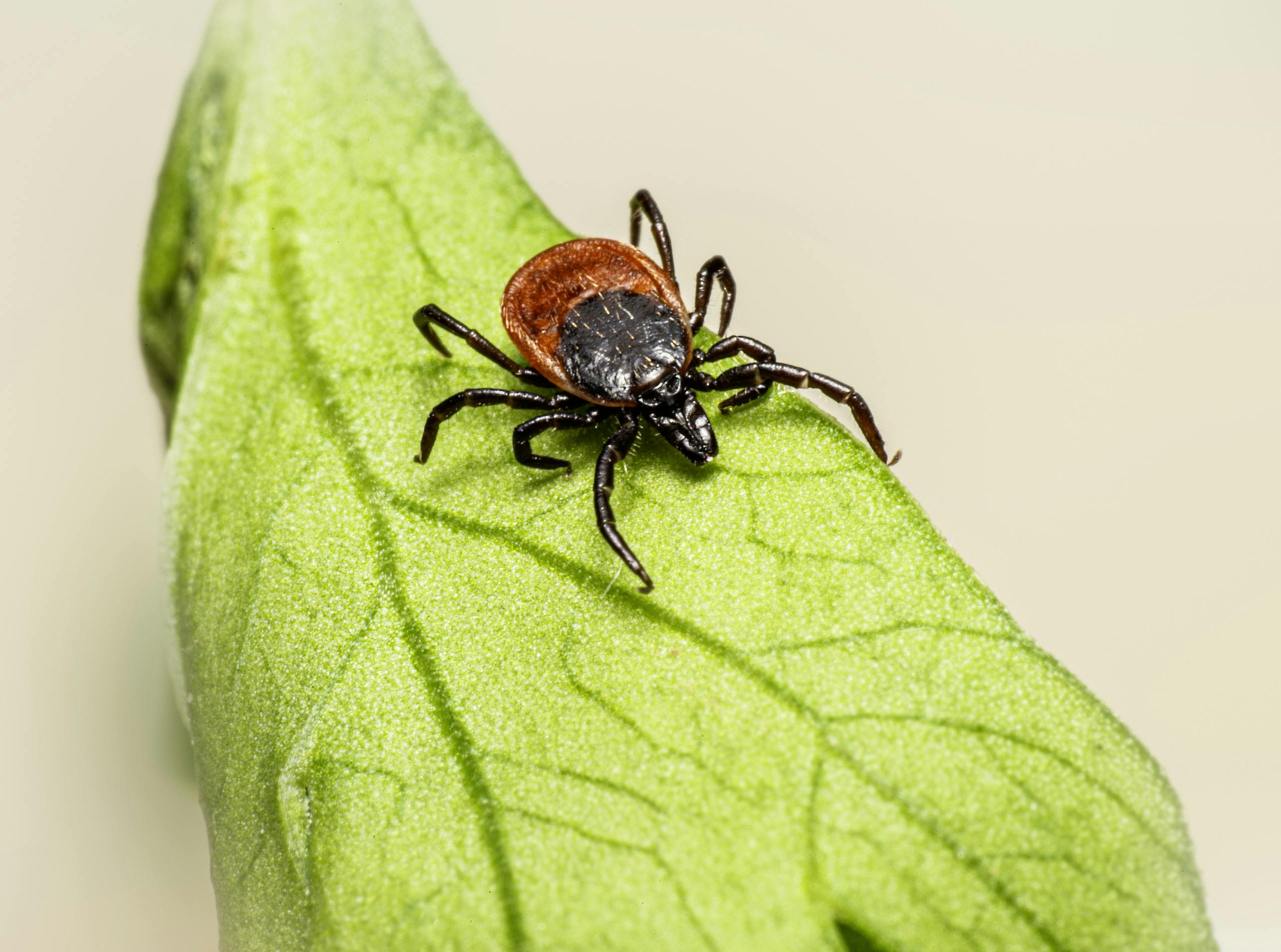
Finding a single tick crawling on your skin can be unsettling. Finding dozens over the course of a few months is something else entirely. That is exactly what some farmers and outdoor workers in the northeastern United States are dealing with today, according to new academic research that highlights a growing and often underestimated occupational health risk.
A recent study led by Mandy Roome, associate director of the Tick-borne Disease Center at Binghamton University, State University of New York, reveals just how intense tick exposure has become for agricultural workers. In some cases, individuals reported as many as 70 tick encounters within a six-month period, a number that underscores how rapidly tick populations and related disease threats are escalating.
The findings were published in the Journal of Agromedicine and focus specifically on rural farming communities in the Northeast, a region already known for high rates of Lyme disease and other tick-borne illnesses.
Why Farmers Are Facing a Growing Tick Crisis
Ticks are not new to the northeastern United States, but their numbers, geographic spread, and disease-carrying potential have changed dramatically over the past few decades. Compared to the early 1990s, when much of the last major research on outdoor workers was conducted, ticks now pose a far greater health threat.
Farmers are especially vulnerable because their daily work places them directly in prime tick habitats. Fields, tall grasses, wooded edges, livestock pastures, and fence lines are ideal environments for ticks to thrive. Unlike recreational hikers or campers, farmers cannot simply avoid these areas. Being outdoors is not optional; it is central to their livelihood.
The research team aimed to better understand how frequently farmers encounter ticks, what activities increase exposure, and how these encounters translate into real health consequences.
Inside the Study: Who Was Surveyed and Why
The study surveyed 53 individuals across 46 farms located in southern Vermont, a region chosen deliberately. Southern Vermont combines high agricultural activity, abundant tick habitats, and elevated Lyme disease incidence, making it an ideal area to examine the risks facing farmers.
Participants completed questionnaires that gathered detailed information on:
- Tick encounters and bite frequency
- Personal health history related to tick-borne diseases
- Tick prevention practices
- Specific farm activities performed regularly
- Perceived risks and concerns related to ticks
This approach allowed researchers to link real-world farming practices with actual exposure levels rather than relying on generalized assumptions.
What the Survey Revealed
The results paint a concerning picture of routine exposure and long-term health risk.
Over the previous six months, participants reported an average of three tick encounters. While that number may not sound alarming on its own, it hides a much wider range of experiences. Some individuals encountered ticks only occasionally, while others reported dozens of encounters, with the most extreme cases reaching around 70 ticks during the same time period.
Importantly, 12% of respondents reported having been diagnosed with a tick-borne disease at some point in their lives. These diagnoses included conditions caused by bacteria transmitted through tick bites, most notably Lyme disease.
One particularly serious case documented in the study involved a farmer who developed Lyme carditis, a dangerous complication where the Lyme bacteria affect the heart. This individual ultimately required open-heart surgery, illustrating how severe tick-borne illnesses can become when infections are advanced or untreated.
Farm Activities That Increase Tick Exposure
The study also explored which types of farm work were most closely associated with higher tick encounters. Certain tasks consistently stood out as higher-risk activities.
Work such as fence repair in spring, mowing fields or lawns, plowing, and general field maintenance often resulted in heavy tick exposure. These tasks bring workers into direct contact with tall grass, brush, and ground-level vegetation where ticks wait for passing hosts.
There was also a marginal association between grazing livestock and increased tick sightings. While not a definitive link, this finding suggests that livestock movement and pasture environments may contribute to higher tick presence around farms.
The Real Cost of Tick-Borne Diseases for Farmers
For farmers, the impact of tick-borne diseases extends beyond personal health. These illnesses can be physically debilitating, leading to fatigue, joint pain, neurological symptoms, and cardiac complications. Recovery can take weeks, months, or even years.
When a farmer becomes ill, the consequences ripple outward. Farm operations may slow down or stop entirely. Livestock care, planting schedules, harvesting, and maintenance tasks can all be disrupted. For small or family-run farms, even a short period of illness can threaten financial stability and long-term viability.
This is why the research emphasizes prevention, not just treatment. Once a disease takes hold, the damage is often already done.
Why Traditional Tick Advice Falls Short
Public health guidance often encourages people to avoid tick habitats, wear protective clothing, and perform frequent tick checks. While useful in theory, this advice is not realistic for farmers and outdoor workers.
Avoiding tick habitat is impossible when your job requires working in it every day. Wearing long sleeves and pants may not be practical during physically demanding labor, especially in warmer months. Frequent tick checks help but do not prevent exposure.
Recognizing these limitations, the research team focused on identifying practical, low-effort interventions that could realistically fit into farm life.
Testing Environmental Solutions to Reduce Risk
The study is part of a broader project exploring environmental tick control strategies, rather than placing all responsibility on individual behavior.
One promising intervention being tested involves tick control tubes. These devices target mice, which are the primary reservoir hosts for many tick-borne pathogens. The tubes contain treated nesting material that kills ticks living on mice without harming the animals themselves.
By reducing the number of infected ticks in the environment, these tools aim to lower overall disease risk for humans working nearby. The goal is to provide farmers with a solution that is effective, affordable, and easy to implement.
A Broader Look at Tick Expansion in the Northeast
Ticks are spreading across the United States due to a combination of climate change, shifting wildlife populations, and land-use changes. Warmer temperatures allow ticks to survive longer seasons and expand into previously unsuitable areas.
The Northeast has become a hotspot for black-legged ticks, commonly known as deer ticks, which are responsible for transmitting Lyme disease and other infections. As tick populations increase, so does the likelihood of human exposure, especially among those who work outdoors year-round.
Why This Research Matters Now
One of the most striking aspects of this study is how little updated research exists on outdoor workers in the Northeast. Much of the previous data dates back to the early 1990s, a time when tick populations and disease risks were significantly lower.
This new research fills an important gap by providing current, real-world data and highlighting the urgent need for targeted occupational health strategies. Farmers are not just dealing with a nuisance; they are facing a growing public health threat that demands attention.
As tick-borne diseases continue to rise, studies like this help shift the conversation from awareness alone to actionable prevention.
Research paper: https://doi.org/10.1080/1059924X.2025.2579639