Viruses With Jumbo-Sized Abilities Are Emerging as Powerful Allies Against Drug-Resistant Bacteria
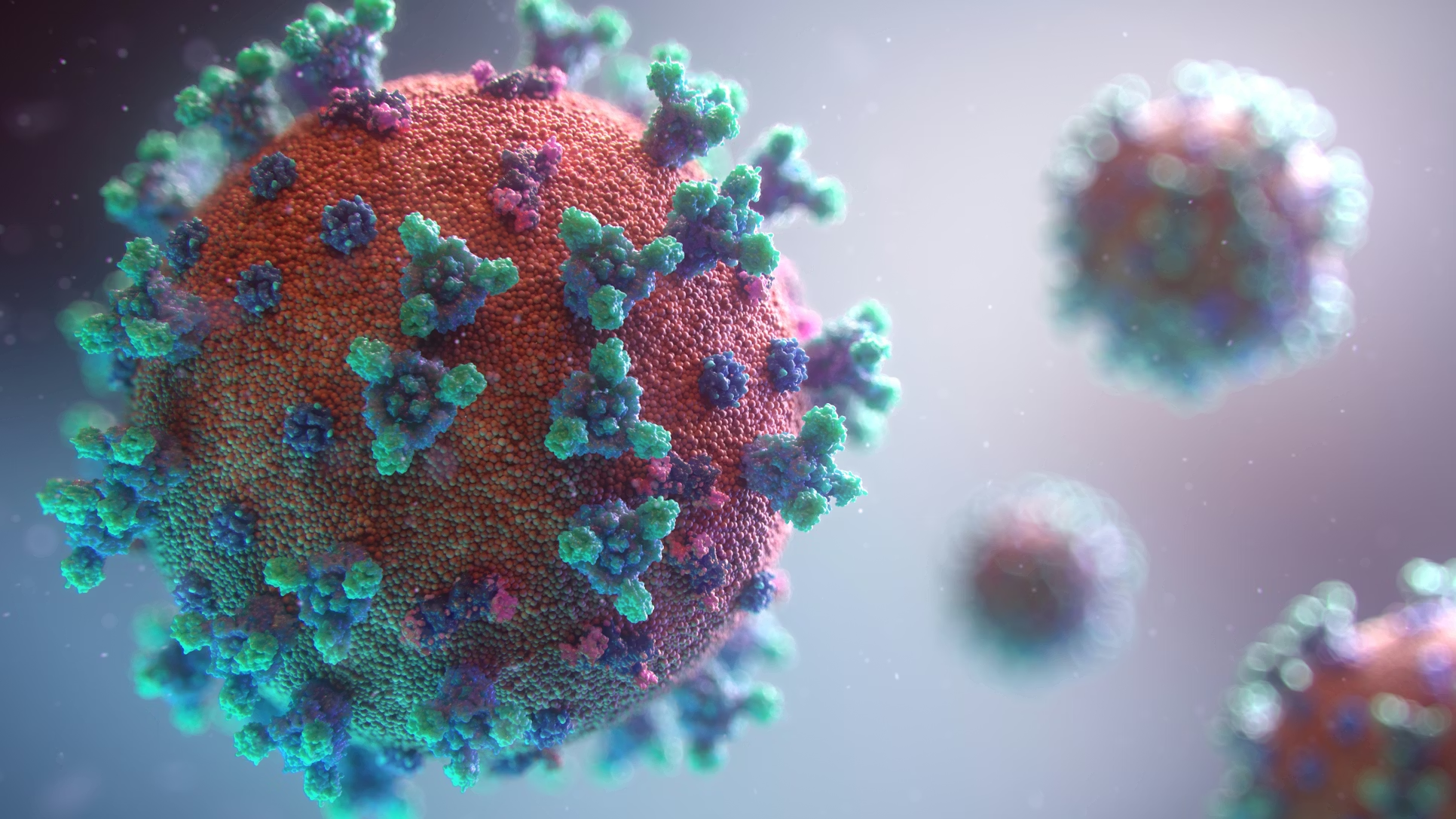
The escalating threat of antibiotic-resistant bacteria has pushed scientists to revisit a century-old idea: using viruses known as bacteriophages to fight stubborn infections. These viruses, often simply called phages, naturally prey on bacteria. Now, new research from UC San Diego and collaborating institutions is revealing exactly how powerful some of these phages can be—especially the unusually large ones known as jumbo phages. Their unexpected biological features may reshape how we think about treating infections that no longer respond to traditional drugs.
The Urgent Need for New Solutions
Antibiotic resistance has grown so rapidly that conventional medicines are losing effectiveness faster than new treatments can be developed. Between 1990 and 2021, drug-resistant bacterial infections caused roughly 1 million deaths each year, and forecasts suggest that by 2050 the annual death toll could approach 40 million. Many dangerous bacteria, including Pseudomonas, Staphylococcus, and E. coli, have evolved ways to survive even the strongest antibiotics.
Because bacteria evolve so quickly, every new drug faces the same ultimate fate: resistance. This has renewed interest in phage therapy, which originally gained traction before World War II. Penicillin’s debut in 1945 overshadowed phage research for decades, but the modern crisis has made the field urgent once again.
What Exactly Are Jumbo Phages?
While most early phage therapy research focused on smaller viruses, scientists are now realizing that jumbo phages behave very differently—and offer unique advantages. Despite being only about 1/500th the width of a human hair, they are significantly larger than many common viruses, including coronaviruses. Until recently, their internal workings were largely unknown.
That changed when UC San Diego researchers used cryo-electron microscopy (cryo-EM) and cryo-electron tomography (cryo-ET) to examine them in unprecedented detail. These imaging techniques flash-freeze samples, allowing scientists to observe structures that would normally be impossible to detect.
In 2022, researchers discovered that jumbo phages build a protein-based compartment inside the bacteria they infect—a structure that acts very much like a nucleus in human cells. This compartment protects the phage’s genetic material as it replicates. The protein forming this compartment was named chimallin, inspired by the Aztec warrior shields called chimalli. This finding led to the naming of an entire family of jumbo phages: the chimalliviruses.
Scientists described this biological feature as unlike anything seen before in nature. It gives jumbo phages a sophisticated advantage, allowing them to operate inside bacteria while shielding their DNA from molecular defenses.
Jumbo Phages Also Use a Stealth Strategy
More recent work by researchers at UC San Diego and UC Berkeley uncovered another surprising behavior. Shortly after infection, chimalliviruses create an internal stealth structure, essentially a cloaking mechanism that hides crucial viral components. This prevents bacteria from detecting the invader early on, reducing the chance of triggering antibacterial immune responses.
This combination of a protective nucleus-like shell and a stealth cloak makes jumbo phages remarkably resilient and effective. According to the scientists leading this research, these biological tools open the door to designing therapies that target bacteria in ways antibiotics never could.
Designing the Right Phage for the Right Infection
One of the main challenges in phage therapy is specificity. A phage that kills one bacterial strain may do nothing against another. That means therapies must be precisely matched to the infection.
Researchers at UC San Diego aim to engineer designer phages with broad host ranges, meaning a single phage could infect multiple strains of the same species. This would make treatments easier to administer and more widely applicable.
Their work aligns with efforts at the Center for Innovative Phage Applications and Therapeutics (IPATH), the first U.S. center dedicated to using phages clinically. IPATH already treats patients with life-threatening, drug-resistant infections using personalized phage mixtures, often under compassionate-use approvals.
How Scientists Are Improving Phage Effectiveness
Beyond studying natural phages, researchers are also exploring ways to enhance them. A UC San Diego team recently used experimental evolution to adapt phages to increasingly resistant bacteria. Over about 30 days of co-culturing viruses with tough bacterial strains, the phages evolved improved infection abilities.
These lab-adapted phages showed changes in genes involved in binding to bacteria, injecting DNA, and hijacking cellular processes. The result: phages better equipped to target pathogens such as multidrug-resistant Klebsiella pneumoniae. This approach could become a blueprint for developing stronger phage therapies in the future.
Why Phage Therapy Is Gaining Momentum
Phages have several natural advantages over antibiotics:
- They consume and destroy bacteria directly.
- They do not harm human cells.
- They evolve alongside bacteria, reducing the risk of long-term resistance.
- Their specificity means fewer side effects and no disruption of healthy microbiomes.
However, this specificity also creates limitations. Matching a phage to a patient’s infection can take time. Jumbo phages and engineered phages may reduce this problem by expanding the range of bacteria a single virus can attack.
What This Means for the Future of Medicine
The growing understanding of jumbo phage biology may shape the next generation of antimicrobial therapies. Their nucleus-like compartments, DNA-protecting protein shells, and stealth infection mechanisms represent innovations that antibiotics cannot replicate.
If scientists succeed in engineering phages that reliably target resistant pathogens, medical treatments could shift dramatically. Hospitals might use phage cocktails tailored to infections, or even phages carrying therapeutic genetic payloads designed to weaken bacteria from within.
The combination of structural sophistication, biological adaptability, and targeted action positions jumbo phages as one of the most promising tools in the fight against the antibiotic resistance crisis.
Additional Background: Why Bacteria Become Drug-Resistant So Quickly
Bacteria multiply rapidly, often dividing every 20 minutes. Each division introduces new mutations, some of which provide survival advantages against antibiotics. When antibiotics kill most bacteria, the resistant few remain and reproduce, eventually creating a population the drug can no longer affect.
Resistance also spreads through horizontal gene transfer, where bacteria exchange DNA directly—even across species. This allows resistance traits to spread through entire microbial communities.
Because antibiotics target broad cellular processes, bacteria can develop multiple workarounds. Phages, on the other hand, target specific receptors and processes that bacteria cannot easily alter without compromising their own survival.
Additional Background: What Makes Cryo-EM and Cryo-ET Important
Cryo-electron microscopy freezes biological molecules in their natural state, then images them using electrons. This reveals structures down to near-atomic resolution. Cryo-electron tomography takes this further by capturing 3D images of entire viral complexes inside cells.
These tools made it possible to visualize jumbo phages’ protective shells, their assembly, and their stealth structures. Without these technologies, much of this new knowledge would still be hidden.
Research Paper:
Architecture and self-assembly of the jumbo bacteriophage nuclear shell (Nature, 2022)
https://doi.org/10.1038/s41586-022-05013-4