Voluntary Wintertime Cover Crop Adoption in Arkansas Rises by 5 Percent, Revealing Shifts in Farmer Practices
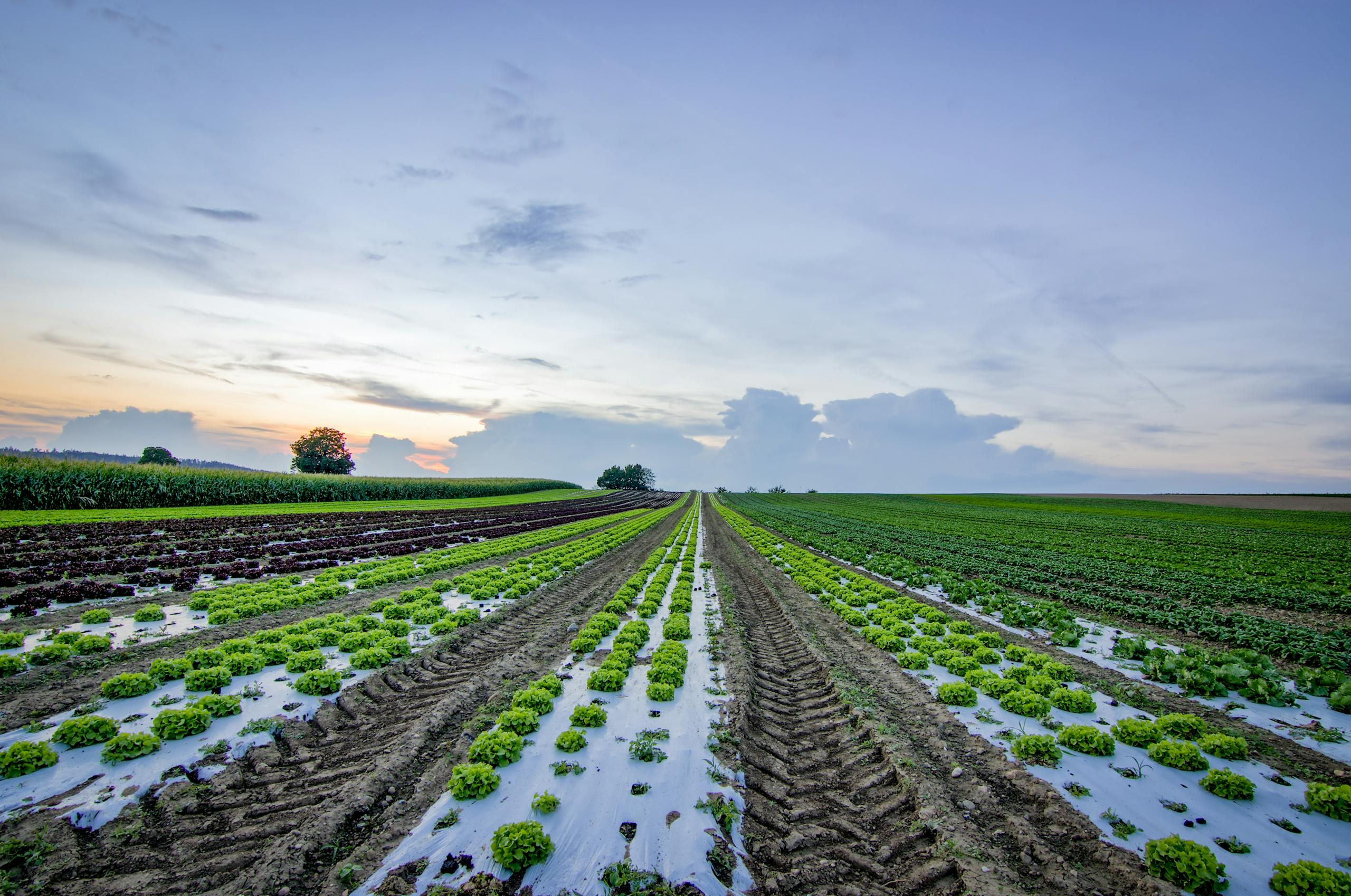
A new research study has found that voluntary wintertime cover crop adoption in Arkansas increased by about 5 percent, offering fresh insight into how farmers are choosing to manage their land even without government subsidies. Using a combination of satellite imagery, machine learning, and government agricultural data, researchers were able to track where and how cover crops were planted across large parts of the Arkansas Delta over several years.
Cover crops are planted during the winter months between primary cash crops. Common examples include clover, oats, and rye, which are not grown for harvest but instead for their ability to protect and improve the soil. According to agricultural researchers, these crops help reduce soil erosion, improve soil structure, retain water and nutrients, and assist with weed and pest management.
What the Study Looked At
The study analyzed data from 2013 through 2019, the most recent period for which complete datasets were available at the time of analysis. The focus was on 27 counties in the Arkansas Delta, a region that plays a major role in the state’s agricultural output. Researchers were particularly interested in distinguishing between government-subsidized cover crop use and voluntary adoption, meaning cover crops planted without financial incentives.
This distinction is important. While federal programs have expanded funding for conservation practices over the past decade, it has been difficult to determine how many farmers continue planting cover crops once subsidies end—or how many start without subsidies at all.
A 5 Percent Increase in Voluntary Adoption
By combining NASA Landsat 8 satellite imagery, Google Earth Engine, and USDA-NRCS data, the researchers estimated that voluntary cover crop acreage increased by roughly 36,000 acres, representing about a 5 percent rise during the study period. This growth occurred alongside an even larger increase in subsidized cover crop acres, suggesting a positive relationship between incentive programs and independent farmer adoption.
Government-funded cover crop acreage was very low in the early years of the study, starting at around 9,600 acres in 2013 and remaining modest through 2017. In 2018, subsidized acreage jumped sharply to more than 94,000 acres, and by 2019, it reached approximately 201,000 acres.
At the same time, voluntary cover cropping continued to grow, indicating that some farmers either continued the practice after subsidies ended or adopted it after seeing its benefits firsthand.
Why Farmers Are Choosing Cover Crops Voluntarily
Researchers suggest two main reasons behind the increase in voluntary adoption. First, some farmers who initially planted cover crops through government programs may have decided to continue without subsidies, choosing to avoid the paperwork and compliance requirements tied to federal payments. Second, there appears to be a spillover effect, where farmers adopt cover crops after observing neighboring farms experience improved soil health or productivity.
This pattern points to a growing recognition of the economic and environmental benefits of cover crops. Farmers may be motivated by profit optimization, long-term land stewardship, or a combination of both.
Soybeans Stand Out as a Key Driver
One of the most notable findings from the study was the strong link between cover crops and soybean production. Arkansas is a major soybean-producing state, with soybeans accounting for $2.3 billion in cash farm receipts in 2023. Over the study period, cover crop adoption showed the strongest association with soybean-to-soybean crop rotations.
The share of soybean acres planted before winter cover crops increased from about 4.75 percent in 2013 to a peak of nearly 8 percent in 2018, before settling around 6 percent in 2019. A similar trend was observed for soybeans planted after cover crops, rising from roughly 4 percent in 2013 to 6 percent by 2019.
Corn and cotton also showed increased use of cover crops, though to a lesser extent. For example, by 2019, about 1.75 percent of corn acres and just over 2 percent of cotton acres were planted after winter cover crops, up from roughly 0.25 percent for each in 2013.
Crop Rotation Patterns Over Time
The study also examined year-to-year crop rotations, both with and without cover crops. The most common rotation throughout the study period was soybean-to-soybean without cover crops, accounting for 21 percent of acreage in 2013 and declining slightly to 18 percent in 2019.
In contrast, soybean-to-soybean rotations that included cover crops grew from 2 percent of acreage in 2013 to 3 percent in 2019. While this may seem like a small shift, it represents a meaningful change given the scale of soybean production in Arkansas.
On average during the study period, Arkansas had about 3.2 million acres of soybean cropland, followed by 1.3 million acres of rice, 700,000 acres of corn, and 400,000 acres of cotton.
How the Researchers Did It
Identifying cover crops across such a large area came with technical challenges. GPS inaccuracies and inconsistent reporting made it difficult to rely solely on ground-level data. To overcome this, the research team used pixel-based image analysis, focusing on the months from November through March, when cover crops are most visible.
The Landsat 8 Operational Land Imager provided 30-meter spatial resolution and 16-day temporal resolution, allowing researchers to track vegetation changes over time. Cloud cover was removed from the imagery, and a machine learning algorithm analyzed multiple spectral reflectance bands and indices to identify cover crop presence.
To protect farmer privacy and comply with USDA data-sharing agreements, results were aggregated at the county level rather than reported for individual fields.
Why This Research Matters
Previous studies have struggled to separate subsidized and voluntary conservation practices, especially in the southern United States. By filling this gap, the research offers policymakers better information to design more targeted and effective incentive programs. It also shows that conservation practices can gain traction even without direct financial support when farmers see real benefits.
More broadly, the findings suggest that cover crops are becoming a normalized part of crop management in Arkansas, particularly in soybean systems. As soil health and sustainability concerns continue to grow, voluntary adoption may play an increasingly important role alongside government programs.
Understanding Cover Crops Beyond the Study
Cover crops are gaining attention nationwide as a tool for climate resilience and sustainable agriculture. They can reduce nutrient runoff, improve carbon sequestration, and help fields withstand extreme weather events. While adoption varies by region and crop type, studies like this one show that data-driven approaches can reveal trends that were previously difficult to measure.
As satellite technology and agricultural analytics continue to improve, researchers will likely gain even clearer insights into how farmers adapt their practices over time—and why some conservation methods stick long after incentives fade.
Research paper: https://journals.plos.org/plosone/article?id=10.1371/journal.pone.0331797