Warmer World Weakens Monarch Butterfly Defenses Against Parasites as Infections Triple Since 2002
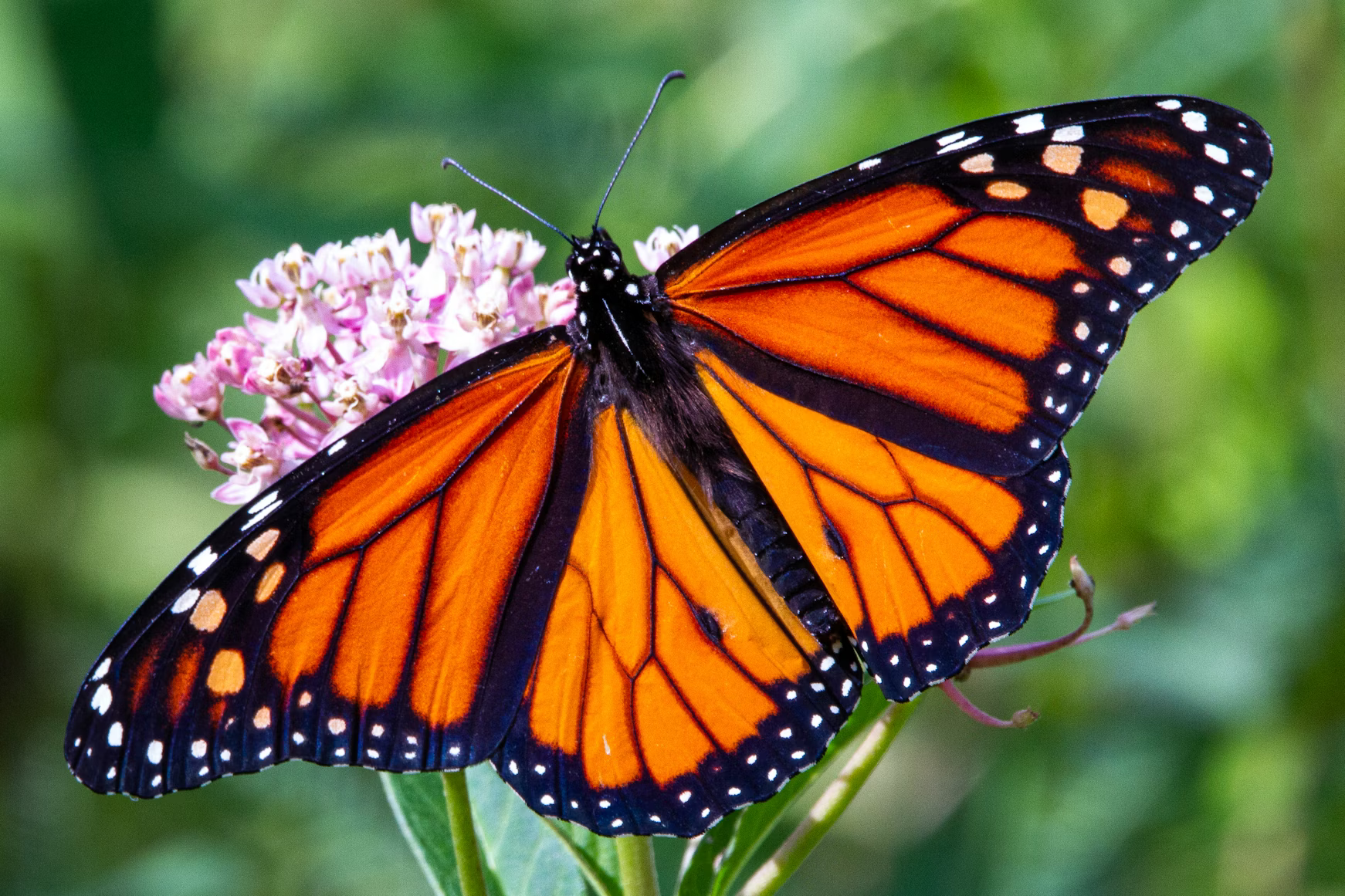
Monarch butterflies are already dealing with a long list of problems, from habitat loss to climate change. Now, new research suggests that rising temperatures may also be weakening their natural defenses against parasites, making infections more severe and more common. A recent study from researchers at the University of Georgia, published in the journal Ecological Entomology, takes a close look at how warming temperatures interact with milkweed plants, parasites, and monarch health—and the results are not encouraging.
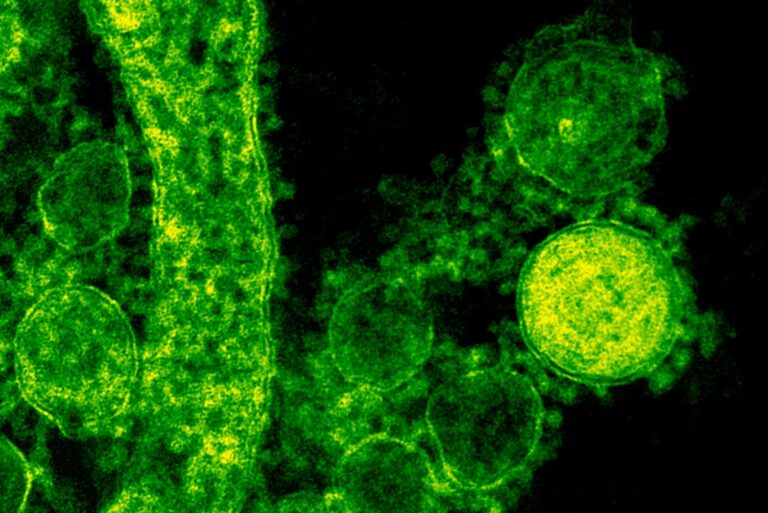
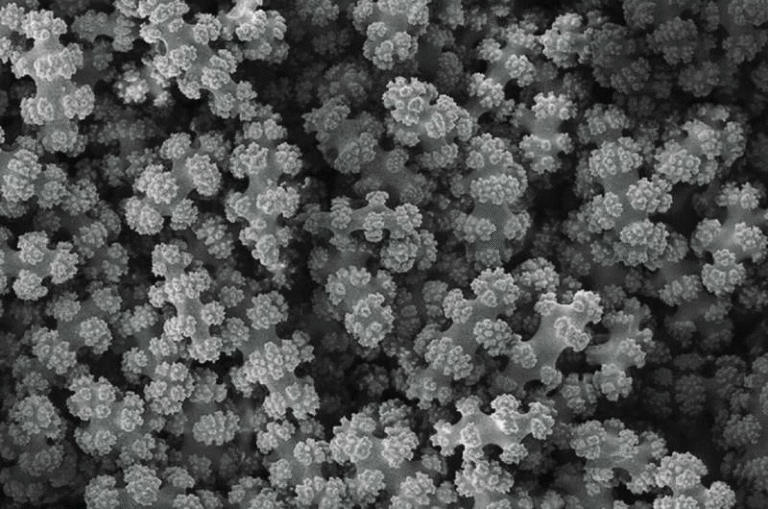
One parasite in particular, Ophryocystis elektroscirrha, has become a growing concern. This microscopic parasite has been known to scientists since the 1960s, but its impact on monarch populations has intensified dramatically in recent decades. According to the study, infection rates have more than tripled since 2002, raising serious questions about how environmental changes may be tipping the balance in favor of the parasite.
A Parasite That Takes a Heavy Toll
Ophryocystis elektroscirrha, often referred to simply as OE, infects monarch butterflies during their larval stage and stays with them throughout their lives. While it does not always kill its host outright, the parasite can cause a range of harmful effects. Infected monarchs often emerge with smaller wingspans, lower body weight, and shorter lifespans. These physical limitations can also interfere with one of the monarch’s most remarkable traits: its long-distance annual migration.
Migration is essential for monarch survival, and even small reductions in strength or endurance can prevent butterflies from completing the journey. The study highlights that infection doesn’t just increase mortality—it also reduces overall fitness, making monarchs more vulnerable to other environmental stresses.
What “Tolerance” Really Means
A key concept in the research is tolerance to infection. This does not mean whether a monarch gets infected or not, but rather how well it can cope once infected. In simple terms, tolerance measures how much damage the parasite causes to the butterfly’s health and performance.
The researchers found that monarchs exposed to elevated temperatures were about 22% less tolerant of infection compared to those living under normal temperature conditions. In warmer environments, infected monarchs experienced more severe negative effects than infected monarchs in cooler conditions. This suggests that heat makes the parasite’s impact worse, even if the infection rate itself does not change dramatically.
Milkweed’s Complicated Role
Milkweed plants play a central role in monarch biology. They are the only plants on which monarchs lay their eggs, and their caterpillars rely on milkweed leaves for food. Milkweeds produce toxic compounds called cardenolides, which monarch caterpillars can tolerate to a certain extent. These toxins are not just a defense against predators—they may also help monarchs resist parasites.
In recent years, many people have planted milkweed in their gardens to help “save the monarchs.” However, not all milkweed is the same. Nonnative tropical milkweed, which grows year-round in warmer climates, has become especially popular. This plant is more toxic than many native species and does not die back in winter.
The study examined how monarchs raised on tropical milkweed versus native swamp milkweed responded to parasite infection under both normal and elevated temperatures. The results were surprising.
When Heat Cancels Out Nature’s Medicine
Earlier laboratory studies suggested that higher temperatures might actually help monarchs by weakening the parasite or enhancing the medicinal effects of toxic milkweed. Some experiments showed that extreme heat could be harmful to OE, offering a possible silver lining to climate warming.
However, those earlier studies were conducted under constant temperature conditions, which are very different from the fluctuating temperatures monarchs experience in the wild.
In this new research, scientists took a more realistic approach. Monarchs—both infected and uninfected—were raised outdoors under natural temperature fluctuations, with some experiencing warmer-than-average conditions. The outcome was clear: the protective effect of toxic milkweed disappeared under higher temperatures.
Most butterflies exposed to the parasite still became infected, and under warmer conditions, the parasite actually performed better than expected. Rather than being suppressed by heat, infections became more damaging to the monarchs.
Too Much of a Good Thing
The researchers also found that milkweed toxins increased slightly under warmer temperatures. While monarchs can tolerate these toxins, there are limits. High toxin levels can slow development, damage cells, and create physiological stress. In some cases, monarchs excrete excess toxins, which means they lose part of the protection they might have gained from feeding on toxic milkweed.
This creates a troubling trade-off. In warmer conditions, monarchs face both greater stress from plant toxins and greater harm from parasite infection, leaving them worse off overall.
Migration, Milkweed, and Parasite Spread
Tropical milkweed introduces another complication. Because it grows year-round in mild climates, it allows monarchs to delay or skip their winter migration. Migration historically helped reduce parasite levels by removing infected individuals that could not survive the journey. When monarchs remain in one place all year, parasites have more time to spread.
The study reinforces concerns that non-migratory monarch populations may experience higher infection rates, especially as warming temperatures make year-round survival easier in some regions.
Why This Matters for Conservation
The findings suggest that climate change could amplify disease risks for monarchs in unexpected ways. A warmer world does not simply affect habitats or food availability—it can also undermine natural defenses that monarchs rely on to survive infections.
In regions where temperatures are rising, infections may increase disproportionately, even if milkweed is abundant. This challenges the assumption that planting any type of milkweed is always beneficial and highlights the importance of using native milkweed species that align with local ecosystems and seasonal cycles.
Extra Context: Monarchs, Climate, and Disease
Monarch butterflies are often used as indicators of ecosystem health because they are sensitive to environmental changes. Climate warming affects monarchs at multiple stages of life, influencing development time, migration timing, reproduction, and disease dynamics.
Parasites like OE are especially responsive to subtle changes in temperature and host health. When hosts are stressed—by heat, toxins, or disrupted migration—the balance can shift quickly in favor of the parasite.
This study adds to a growing body of evidence that climate change and disease are deeply interconnected, and that conservation strategies need to account for these complex interactions rather than focusing on single solutions.
Research Reference
Host plants and experimental warming impact fitness and infection outcomes in a migratory butterfly
Ecological Entomology (2025)
DOI: https://doi.org/10.1111/een.70010