Woodrats Use Gene Duplication to Gain a Powerful Evolutionary Advantage Against Rattlesnake Venom
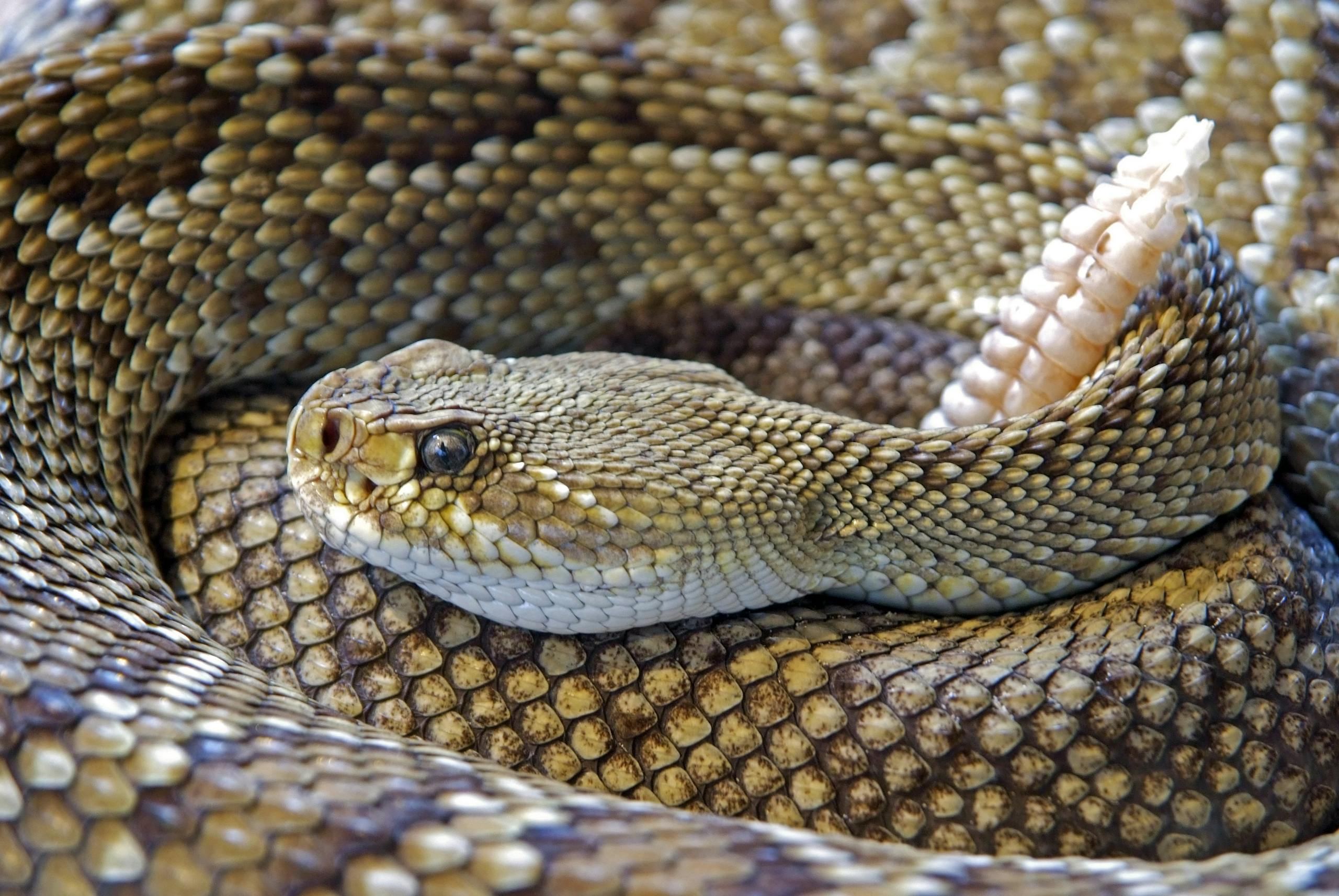
Woodrats, often called packrats, are small rodents that typically weigh less than half a pound. Despite their size, they possess an extraordinary ability: they can survive venomous rattlesnake bites that would seriously injure or even kill a full-grown human. This surprising resistance has puzzled scientists for years. Now, new research from the University of Michigan has revealed an important genetic explanation behind this remarkable survival trait.
The study, published in the journal Molecular Biology and Evolution, shows that woodrats have evolved venom resistance by stockpiling extra copies of specific genes, giving them a biological edge in their ongoing evolutionary battle with rattlesnakes.
A Closer Look at the Genes Behind Venom Resistance
The researchers focused on a family of genes known as SERPINs, short for serine protease inhibitors. These genes produce proteins that block enzymes, including enzymes commonly found in snake venom. Snake venom often works by using proteases to break down tissues, disrupt blood clotting, and cause extensive damage to muscles and organs.
One SERPIN gene, SERPINA1, was already known to inhibit venom in some animals, including European rattlesnakes. However, much less was understood about a closely related gene called SERPINA3.
When scientists examined the genomes of woodrats, they discovered something striking. While humans possess only one copy of the SERPINA3 gene, woodrats have as many as 12 copies. Each of these gene copies produces a slightly different protein, creating a diverse arsenal of potential venom blockers.
This discovery raised an important question: could this genetic abundance be the reason woodrats are so resistant to rattlesnake venom?
How Gene Duplication Creates New Defenses
The extra SERPINA3 genes in woodrats arose through a process called tandem duplication. This happens when a gene is accidentally copied during DNA replication and inserted next to the original gene. Because the original gene continues performing its essential role, the duplicated copy is free to evolve new functions over time.
In woodrats, repeated tandem duplications resulted in an entire cluster of SERPINA3 genes, all slightly different from one another. This genetic diversity allows the animal to experiment evolutionarily, increasing the chances that at least some of the proteins can neutralize venom effectively.
Interestingly, tandem duplication is also common in snake venom genes. As prey species evolve resistance, snakes evolve new venom components to overcome those defenses. This back-and-forth process is a classic example of coevolution, often described as an evolutionary arms race.
Testing Woodrat Proteins Against Real Venom
To understand whether these duplicated genes actually help woodrats survive snakebites, the research team conducted laboratory experiments. Proteins produced by each of the 12 SERPINA3 genes were tested against venom collected from rattlesnake species that commonly prey on woodrats.
The results were revealing. Many of the SERPINA3 proteins bound directly to toxic components of the venom, preventing them from causing damage. Some proteins were highly effective inhibitors, while others showed little to no interaction with venom at all.
This variation suggests that not every duplicated gene is dedicated solely to venom defense. Some SERPINA3 proteins may have entirely different biological roles, while others are specialized venom inhibitors.
One particularly notable finding was that a single SERPINA3 protein could simultaneously block two different venom components, targeting the core mechanisms that make rattlesnake venom so dangerous.
Expanding the Understanding of Venom Resistance
Until now, most research on venom resistance in mammals had focused heavily on SERPINA1. This study brings SERPINA3 into the spotlight, showing that it plays a major role in how woodrats cope with venomous predators.
The findings demonstrate that venom resistance is not driven by a single gene or mutation. Instead, it is the result of gene duplication, diversification, and functional variation, working together to create a flexible and effective defense system.
This approach gives woodrats a significant evolutionary advantage. Even if snakes evolve new venom toxins, the presence of multiple SERPINA3 variants increases the likelihood that at least some proteins will still be able to neutralize the threat.
Why This Matters Beyond Woodrats
This research offers valuable insight into how animals adapt to extreme environmental pressures. Gene duplication is a powerful evolutionary tool, not just for woodrats but across many species.
Similar processes are seen in:
- Snake venom evolution, where new toxins arise through gene duplication
- Immune system diversity in mammals
- Digestive enzymes in animals that consume toxic or difficult-to-digest food
By studying woodrats, scientists gain a clearer picture of how genetic redundancy and diversity can provide resilience against deadly challenges.
Additional Insights Into Woodrats and Venom Resistance
Woodrats are already known for their adaptability. They inhabit deserts, forests, and rocky terrains across North America and frequently encounter venomous snakes in their environment. Their survival depends not only on genetic resistance but also on behavior, habitat use, and physiological tolerance.
Previous studies have suggested that environmental factors, such as temperature, may influence how effectively woodrats resist venom. Colder conditions, for example, might reduce the efficiency of venom-neutralizing proteins, highlighting that venom resistance is both a genetic and ecological trait.
Understanding these dynamics could eventually contribute to medical research, especially in the development of improved antivenoms. Studying natural venom inhibitors may inspire new therapeutic approaches that are more targeted and less prone to side effects.
A Broader Evolutionary Lesson
This research underscores an important evolutionary principle: sometimes survival doesn’t require inventing entirely new genes. Instead, duplicating existing genes and allowing them to diversify் evolve in different directions can be just as powerful.
For woodrats, this genetic strategy has proven remarkably effective. By expanding and diversifying their SERPINA3 gene family, they have gained a flexible defense system capable of countering one of nature’s most potent biological weapons.
As scientists continue to explore how animals survive venomous encounters, woodrats now stand as a clear example of how gene duplication can shape survival in the natural world.
Research paper:
https://academic.oup.com/mbe/article/42/11/msaf290/8321223