Scientists Have Successfully Created Synthetic Versions of the Body’s Own Cannabinoid Medicines

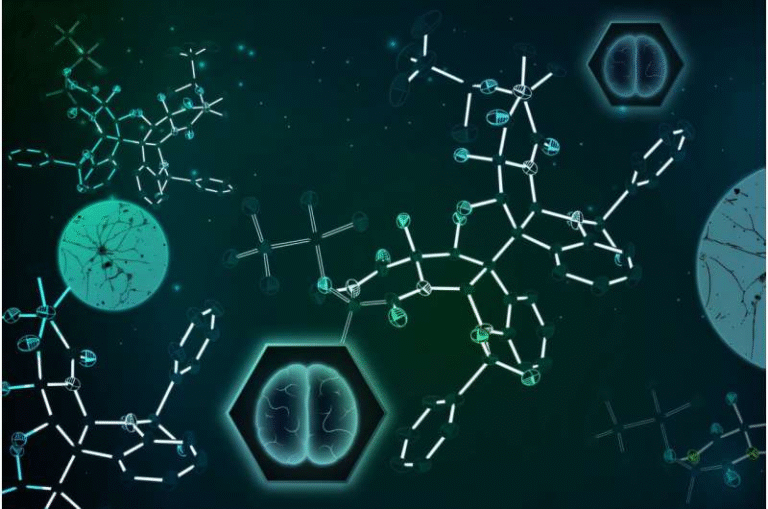
Researchers at Northeastern University have announced a major breakthrough in drug discovery: they have successfully developed the first-ever synthetic version of an endogenous cannabinoid, a naturally occurring chemical produced by the human body. This advancement could open the door to powerful new treatments for pain, inflammation, neurological disorders, cancer, and more—without the unwanted side effects commonly associated with cannabis-based drugs.
The discovery comes from Northeastern’s Center for Drug Discovery and represents years of work focused on understanding how the body’s own chemistry can be harnessed for medicine. The findings were published in the Journal of Medicinal Chemistry, one of the leading peer-reviewed journals in the field.
Understanding Cannabinoids Inside and Outside the Body
When most people hear the word cannabinoids, they immediately think of cannabis plants and compounds like THC and CBD. These substances are known as exogenous cannabinoids, meaning they originate outside the human body.
However, the human body also produces its own cannabinoids, known as endogenous cannabinoids, or endocannabinoids. These naturally occurring molecules play a critical role in regulating many essential functions, including mood, pain perception, inflammation, energy balance, and even processes involved in neurodegenerative diseases such as Alzheimer’s and Parkinson’s.
Despite performing similar functions, endocannabinoids are structurally very different from plant-derived cannabinoids. Even so, they interact with the same receptors and carry out many of the same biological tasks. This internal system—made up of endocannabinoids, receptors, and enzymes—is known as the endocannabinoid system, and it exists throughout the human body, with particularly high concentrations in the central nervous system.
Researchers describe this system as essential for maintaining homeostasis, the body’s ability to keep itself stable and balanced.
Why Existing Cannabinoid Drugs Have Limitations
Medical drugs that target cannabinoid receptors already exist. Some are used, for example, to reduce nausea in chemotherapy patients. However, these medications are typically derived from exogenous cannabinoids, meaning they are based on plant compounds or synthetic versions of them.
Because of this, they often carry undesirable side effects, including hallucinations, cognitive impairment, and the risk of dependence. These effects stem from the way plant-based cannabinoids interact with cannabinoid receptors, particularly CB1 receptors in the brain.
Drugs based on endocannabinoids, on the other hand, are expected to avoid many of these issues because they are modeled after substances the body already produces naturally. The challenge has always been that natural endocannabinoids are extremely unstable and break down very quickly in the body, making them impractical as medicines.
The Stability Problem and a Clever Chemical Solution
One of the most important aspects of this discovery is how the Northeastern team solved the long-standing problem of instability.
Natural endocannabinoids are rapidly broken down by enzymes, which means their effects are short-lived. Previous attempts to synthesize them resulted in compounds that were either too fragile or not potent enough to be useful.
The breakthrough came through a concept known as chirality, a term borrowed from the Greek word for “hand.” Chirality describes molecules that exist in mirror-image forms that are not identical, much like left and right hands.
In nature, nearly everything—including proteins, receptors, and enzymes—is inherently chiral. The researchers used a nature-inspired chiral approach to redesign the endocannabinoid molecule in a way that dramatically improved its performance.
Their solution was surprisingly simple yet highly effective: they added a single methyl group, a small hydrocarbon unit, to the molecule’s structure. This small modification made a huge difference.
How Chirality Improved Potency and Precision
By introducing chirality, the synthetic endocannabinoid now fits much more precisely into the body’s cannabinoid receptors, known as CB1 and CB2.
These receptors are distributed throughout the body but appear in different concentrations depending on the tissue or organ. CB1 receptors are especially abundant in the brain, while CB2 receptors are more common in immune and peripheral tissues.
The modified molecule binds strongly to these receptors while blocking enzymes from attacking vulnerable parts of the compound. This results in a synthetic endocannabinoid that is both exceptionally potent and highly resistant to metabolic breakdown.
Another important advantage is selectivity. The more selective a drug is, the less likely it is to interact with unintended receptors, which reduces side effects. The added methyl group significantly improved the compound’s ability to target only the receptors it is meant to influence.
Early Results and Proven Effectiveness
The research team has already demonstrated that their synthetic endocannabinoid works as a powerful analgesic in mice. Pain relief is one of the most well-known therapeutic effects of cannabinoids, and these early results confirm that the synthetic compound performs its intended role effectively.
However, pain management is only one piece of the puzzle.
Cannabinoids influence a wide range of biological systems, meaning their potential applications extend far beyond mood regulation or recreational use. Researchers are actively exploring how the new compound could be used to address inflammation, cancer, and neurodegenerative diseases.
One particularly promising area is stroke protection. The team has begun testing whether the synthetic endocannabinoid can protect the brain from damage caused by strokes and even help reverse some of the effects after a stroke has occurred.
Broader Medical Possibilities
The endocannabinoid system is involved in regulating energy balance, metabolism, immune responses, and neural signaling. Because of this, drugs that can precisely target this system may have applications in conditions such as obesity, chronic inflammatory diseases, and dementia.
Cannabis-derived compounds have long been recognized as effective pain relievers, often considered second only to opioids like morphine. However, opioids carry a high risk of addiction and overdose, while cannabis-based treatments can cause cognitive and psychological side effects.
Synthetic endocannabinoids could offer a safer middle ground, delivering strong therapeutic benefits without the risks associated with either opioids or plant-based cannabinoids.
Why This Discovery Stands Out
According to the researchers, their work places them well ahead of any competition in the field of endocannabinoid chemistry. The combination of high potency, metabolic stability, and receptor selectivity makes these compounds unlike anything developed before.
This achievement also highlights a broader trend in modern medicine: instead of introducing foreign substances into the body, scientists are increasingly focused on enhancing and mimicking natural biological processes.
By refining molecules that already exist within us, researchers hope to create treatments that work more harmoniously with the body’s systems.
What Comes Next
The next phase of research will involve extensive preclinical testing across multiple disease models. If results continue to be positive, the long-term goal is to move toward clinical trials and eventual therapeutic use.
While it will take time before these compounds reach patients, the groundwork has now been laid for a new class of medicines based entirely on the body’s own chemistry.
Research Paper Reference:
https://pubs.acs.org/doi/10.1021/acs.jmedchem.5c02030