Cigarette Filters Are an Overlooked but Serious Source of Microplastic Pollution
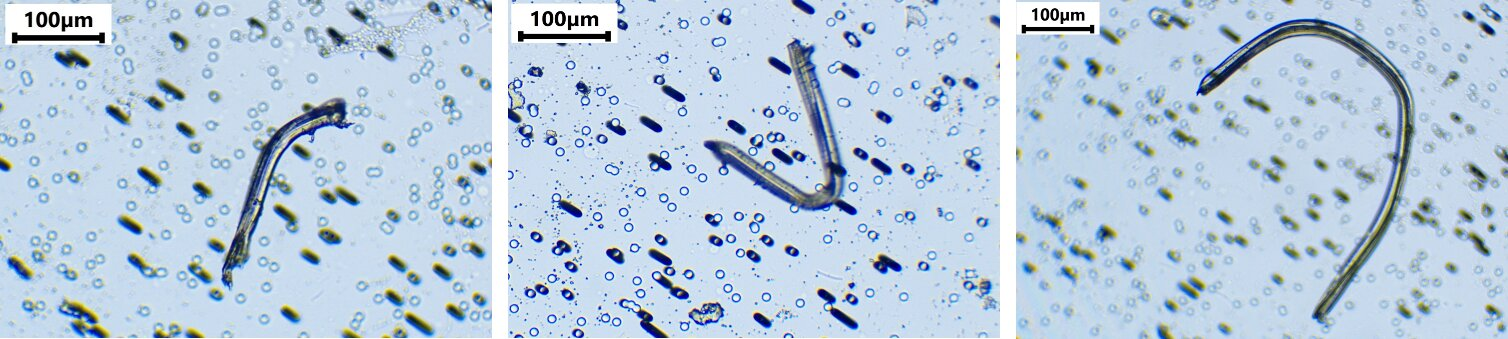
Cigarette butts are everywhere—on sidewalks, beaches, parks, and near storm drains. Most people know they are toxic litter, leaking nicotine, heavy metals, and chemical residues into soil and water. What has received far less attention, however, is the plastic filter itself. New research shows that cigarette filters are not just passive trash; they are an active and immediate source of microplastic pollution in natural water systems.
A recent study from the University at Buffalo takes a close look at what happens when cigarette filters come into contact with water. The findings make it clear that these small, often ignored pieces of waste play a much bigger role in environmental pollution than previously understood.
What Cigarette Filters Are Actually Made Of
Most cigarette filters are composed of cellulose acetate, a synthetic plastic derived from cellulose. While it sounds plant-based, cellulose acetate is not biodegradable in natural environments. Instead, it slowly breaks down into smaller and smaller fibers—known as microfibers, a type of microplastic.
Each cigarette filter contains more than 10,000 tightly packed microfibers. When discarded into the environment, especially near water sources, these fibers do not remain locked inside the filter. They begin to detach almost immediately.
How the Study Was Conducted
The research was led by John D. Atkinson, associate professor in the Department of Civil, Structural and Environmental Engineering at the University at Buffalo, with Ghazal Vasseghi, a Ph.D. student, as the first author.
To understand how cigarette filters behave in water, the researchers ran a series of controlled 10-day laboratory experiments. Cigarette butts were placed in water under three different conditions designed to mimic real-world environments:
- Still water at 0 revolutions per minute (rpm), similar to ponds or calm lakes
- Moderately moving water at 80 rpm, representing streams or slow rivers
- Highly agitated water at 200 rpm, closer to fast-moving runoff or stormwater systems
This setup allowed the researchers to measure how quickly and how extensively microfibers are released under varying levels of water movement.
Immediate Microfiber Release Happens Within Seconds
One of the most striking findings from the study is how fast microfiber release begins. As soon as a cigarette filter touches water, it sheds around 24 microfibers within just 20 seconds. This initial release occurred regardless of whether the water was still or moving, showing that agitation is not required for pollution to begin.
This rapid release had not been precisely quantified before. It means that even brief contact between a cigarette butt and water—such as rainfall washing litter into a drain—is enough to introduce microplastics into aquatic systems.
Continued Pollution Over Time
The pollution does not stop after those first few seconds. Over the full 10-day experimental period, each cigarette filter released between 63 and 144 microfibers, depending on how much the water was moving. Filters in more turbulent water environments released significantly more fibers than those in still water.
While these numbers may seem small at first glance, they represent only a tiny fraction of the fibers contained in a single filter. Given enough time and environmental exposure, a cigarette butt can continue shedding microplastics long after it has been discarded.
Scaling the Problem to the Real World
To understand the broader impact, the researchers used their laboratory data to estimate microfiber pollution from cigarette filters in New York State. Using conservative assumptions, they calculated that cigarette butts could be releasing anywhere from 71 million to 1.4 billion microfibers into New York waters every single day.
Urban and densely populated areas emerged as major hotspots, largely because higher smoking rates and greater foot traffic lead to more littered cigarette butts. Stormwater systems play a critical role in transporting these filters from streets into rivers, lakes, and eventually larger water bodies.
Why Cigarette Filter Microplastics Are Especially Concerning
Microplastics are already recognized as a global environmental issue, but cigarette filter fibers come with an added layer of risk. Unlike many other microplastics that pick up pollutants over time, these fibers are released already contaminated.
Cigarette filters trap and carry a mix of harmful substances, including:
- Nicotine
- Heavy metals
- Pathogens
- Persistent chemicals such as PFAS, often called “forever chemicals”
When the fibers break free, they bring these contaminants directly into the environment. This results in both physical pollution from the plastic itself and chemical pollution from the substances attached to it.
Impacts on Wildlife and Ecosystems
Microfibers are small enough to be easily ingested by aquatic organisms, from tiny invertebrates to fish. Once ingested, they can block digestive systems, reduce nutrient absorption, and introduce toxic chemicals into the body.
Because microfibers act like sponges, they can continue absorbing pollutants even after entering the water, increasing their toxicity as they move through food webs. Over time, this can affect not only wildlife but also human health, particularly through seafood consumption.
Cigarette Butts and the Global Litter Problem
Cigarette butts are widely recognized as the most littered item in the world. Trillions are discarded every year, often flicked onto the ground rather than disposed of properly. This study adds strong evidence that cigarette butts are not just unsightly waste, but a significant and underestimated source of microplastic pollution.
While microfibers in water are often blamed on clothing and laundry, this research makes it clear that cigarette filters deserve equal attention.
Possible Solutions and Preventive Measures
The researchers point out that this is a problem that can be reduced through targeted interventions. Some practical strategies include:
- Better placement of cigarette butt receptacles, especially in high-traffic areas
- Installing filtration systems in storm drains to capture cigarette butts before they reach waterways
- Public awareness campaigns to discourage littering and highlight the environmental impact of cigarette filters
These steps could significantly reduce the number of cigarette butts entering aquatic systems and, in turn, lower microfiber pollution.
Why This Research Matters
This study changes how cigarette filters should be viewed in environmental policy and pollution research. They are not just slow-degrading plastic waste; they are immediate sources of microplastics and chemical contamination.
By quantifying how quickly and extensively cigarette filters shed microfibers, the research provides data that can inform regulations, cleanup strategies, and public behavior campaigns. It also highlights the need to include cigarette filters in broader discussions about microplastic pollution.
Research Paper Reference
Cellulose acetate microfiber release from cigarette filters in agitated water
Journal of Hazardous Materials: Plastics (2026)
DOI: https://doi.org/10.1016/j.hazmp.2025.100036