Fire on Ice How Climate Change Is Reshaping the Arctic’s Wildfire Regime
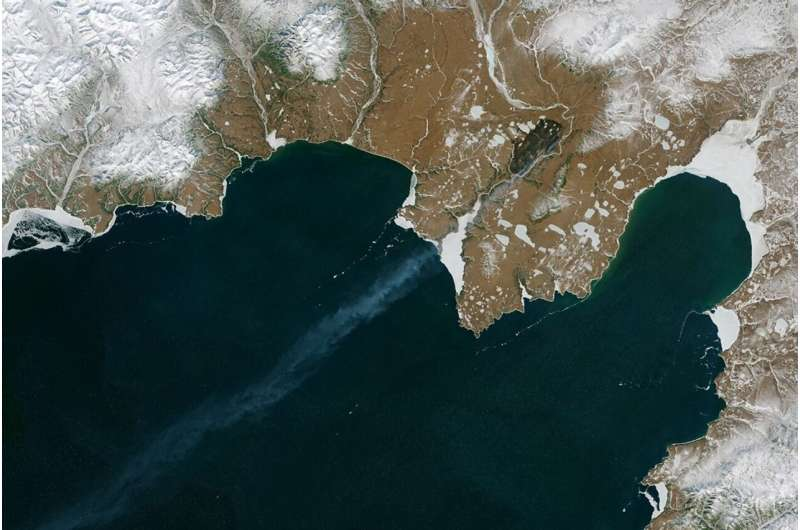
Wildfires are no longer a rare or short-lived phenomenon in the Arctic. According to recent research led by NASA scientists and summarized in a 2025 assessment by the Arctic Monitoring and Assessment Programme (AMAP), the far north is experiencing a clear and troubling shift in how fires behave. These fires are becoming more frequent, larger in size, hotter in intensity, and longer-lasting than anything documented in earlier decades.
This change is not happening in isolation. It is closely connected to the rapid warming of the Arctic, a region that is heating up at nearly four times the global average. As temperatures rise, the Arctic landscape is becoming increasingly vulnerable to fire, altering ecosystems that evolved under very different conditions.
Wildfires in a Region We Once Thought Was Too Cold to Burn
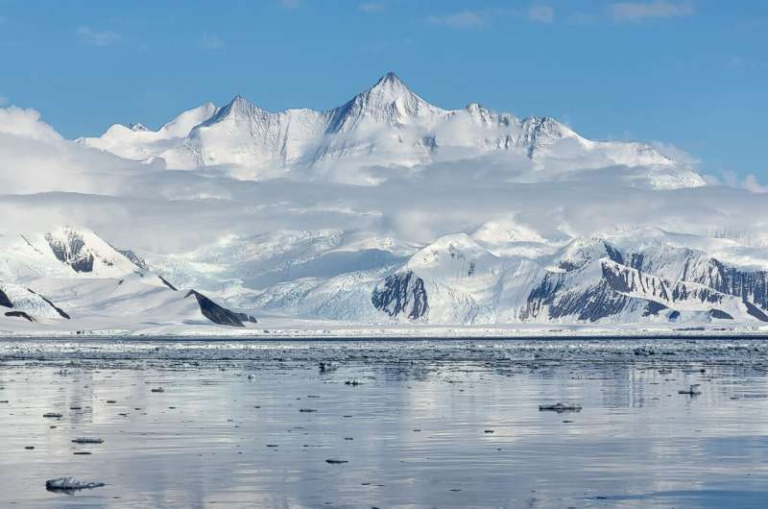
When most people think of the Arctic, they imagine ice sheets, snow, and frozen oceans. However, the Arctic is far more diverse than that image suggests. Officially, the Arctic includes regions north of 66.5 degrees latitude, though many researchers also study areas above 60 degrees north.
Moving northward, the landscape transitions through boreal forests, shrublands, grass-dominated tundra, and eventually to rock and ice. During winter, much of this vegetation is buried under snow. But as spring arrives, snow melts and plants are exposed to sunlight, allowing them to dry out. Under these conditions, even a single lightning strike, which is the primary ignition source for Arctic fires, can start a wildfire.
What is changing now is not the existence of fire itself. Fire has always played a role in boreal and Arctic ecosystems. The concern lies in how extreme these fires have become.
A New Fire Regime Is Emerging
The AMAP report highlights that the Arctic has entered what scientists describe as a novel fire regime. Compared to the mid-20th century, the average burned area in the North American Arctic has roughly doubled. While fire activity still varies from year to year, the long-term trend is unmistakable.
Historically, Arctic and boreal fires tended to be low-intensity. These fires often left trees standing and allowed soils and vegetation to recover relatively quickly. Today’s fires are different. High-intensity fires are now far more common, killing large numbers of trees, deeply burning the soil, and permanently altering landscapes.
These intense fires also trigger secondary succession, a process in which the original plant species are replaced by entirely new ones. This can reshape entire ecosystems, sometimes shifting forests into shrublands or tundra-like environments.
Why Intensity Matters More Than Fire Count
Scientists emphasize that fire intensity may be even more important than the number of fires themselves. Hotter fires burn deeper into the soil, damage root systems, and disrupt local hydrology. They can accelerate snowmelt, alter water flow, and leave landscapes more vulnerable to erosion.
Repeated burning is another major concern. Some Arctic regions are now burning two, three, or even five times within short periods, leaving little opportunity for recovery. Ecosystems that evolved with infrequent, mild fires are struggling to adapt to this rapid cycle of destruction.
The impacts extend beyond plants. Smoke from large Arctic fires poses health risks to nearby communities, and habitat loss threatens wildlife across tundra and boreal regions.
The Role of Lightning and a Warming Climate
One of the most important drivers behind this shift is climate change. Rising temperatures reduce soil moisture and change snowfall and rainfall patterns, making landscapes more flammable. At the same time, lightning is occurring farther north than before, increasing the likelihood of ignition in areas that historically saw few fires.
Fire seasons are also starting earlier and ending later. Researchers have documented Arctic fires igniting as early as late March and continuing well after the first snowfall, a pattern that was extremely rare in the past.
Peat, Permafrost, and the Problem of Zombie Fires
What makes Arctic fires especially significant is what lies beneath the surface. Arctic soils often contain peat, a carbon-rich material formed from partially decomposed plants that accumulated over thousands of years after the last ice age. When intense fires burn into peat, they can smolder underground for months.
These underground blazes are known as holdover fires, commonly called zombie fires. They appear extinguished on the surface but survive through winter beneath snow and frozen ground, only to reignite when warmer, drier conditions return in spring.
Even more concerning is permafrost, ground that remains frozen year-round. Some permafrost layers are more than 400,000 years old, storing ancient organic material that has been locked away since before modern humans existed.
As warming and fire cause permafrost to thaw, this ancient material begins to decompose, releasing carbon dioxide and methane into the atmosphere.
A Massive Carbon Feedback Loop
The climate implications of Arctic fires extend far beyond the region itself. Together, Arctic peat and permafrost store roughly twice as much carbon as is currently present in Earth’s atmosphere. When fires and thaw release even a fraction of this carbon, they accelerate global warming, which in turn creates conditions for more Arctic fires.
This feedback loop is one of the biggest uncertainties in climate science. The Arctic has acted as a stabilizing force for Earth’s climate for millennia, and scientists are increasingly concerned about what happens as that stability breaks down.
Greenland and Other Warning Signs
The mid-2010s marked a turning point. Greenland, long considered largely fire-resistant, experienced notable wildfires in 2015, 2017, and 2019. At the same time, researchers began observing repeated fires across Siberia, Alaska, and northern Canada, often in the same locations.
Satellite imagery from NASA’s Landsat missions has been crucial in documenting these changes, revealing not only where fires occur but also how frequently landscapes reburn.
How Scientists Are Monitoring the Arctic
NASA satellites provide a 25-year record of wildfire data, forming the backbone of current understanding. These observations allow scientists to track ignition sources, fire spread, burn severity, and long-term trends.
New satellites, combined with artificial intelligence and improved modeling tools, are helping researchers better predict fire behavior and identify vulnerable regions. However, scientists agree that monitoring needs to become more targeted, especially in remote areas where on-the-ground data are scarce.
Field campaigns, improved satellite coverage, and international cooperation will be essential for understanding why these fires are changing and how they might evolve in the future.
Why Arctic Fires Matter to the Rest of the Planet
What happens in the Arctic does not stay in the Arctic. Changes in fire regimes affect global climate systems, air quality, ecosystems, and sea-level dynamics. As Arctic landscapes burn and thaw, they influence weather patterns and carbon cycles worldwide.
The emerging picture is clear: Arctic wildfires are no longer an anomaly. They are becoming a defining feature of a rapidly changing region, with consequences that extend far beyond the polar circle.
Research reference:
Arctic Monitoring and Assessment Programme (AMAP) 2025 report on Arctic wildfires – https://www.amap.no/documents/doc/amap-assessment-wildland-fires-in-the-arctic-2025/ (official AMAP publication)