Firefighter Gear May Contain Potentially Hazardous Flame Retardants According to a New U.S. Study
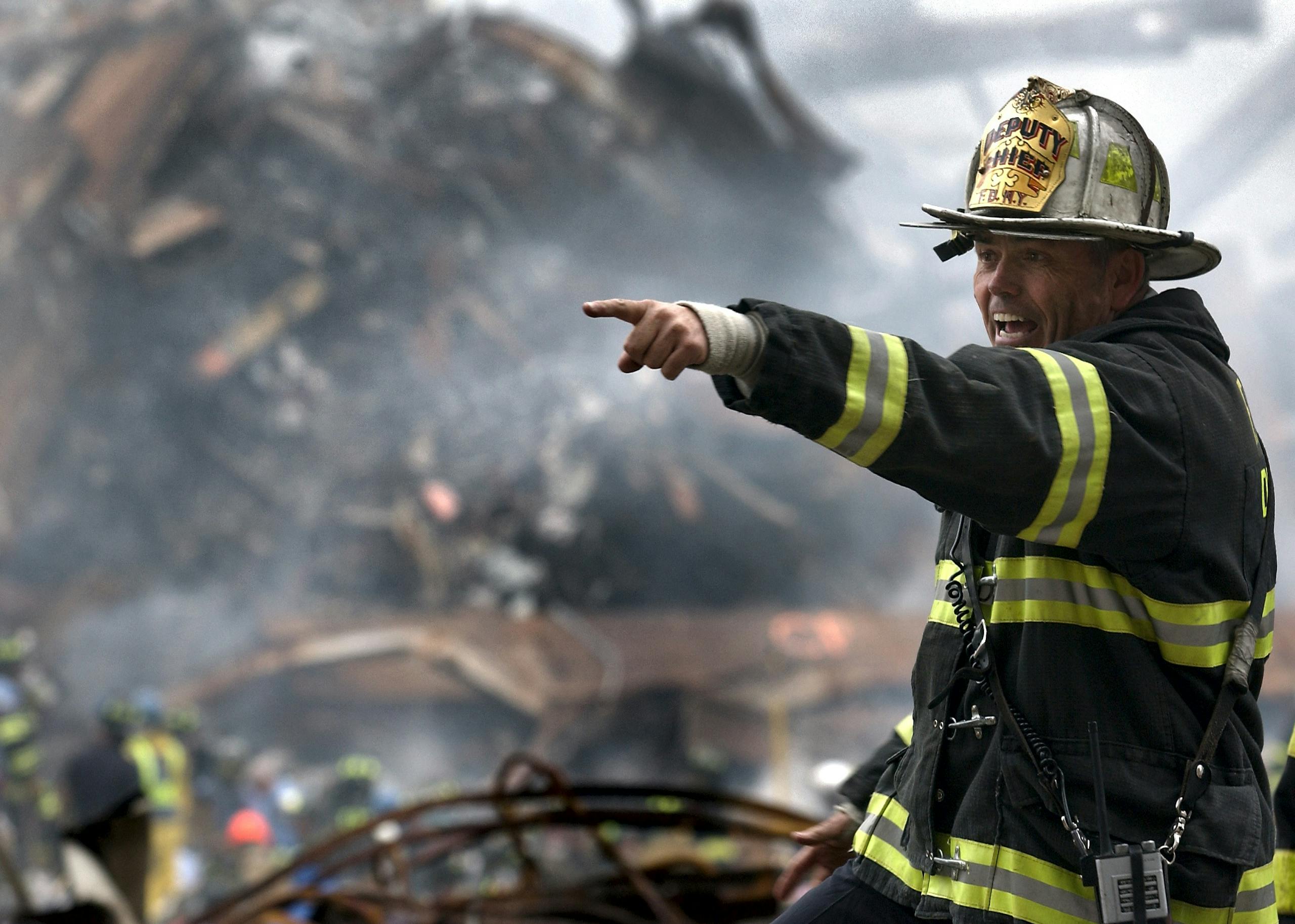
A new scientific study is raising important questions about the chemical safety of firefighter turnout gear, the protective clothing worn by firefighters during emergencies. Researchers have found that some firefighter gear contains brominated flame retardants, a class of chemicals linked in other research to serious health concerns. The findings add a new layer to an ongoing discussion about firefighter health, chemical exposures, and how protective gear is manufactured.
The study was published in Environmental Science & Technology Letters in December 2025 and represents the first U.S.-based research to formally investigate and document the presence of brominated flame retardants in firefighter turnout gear. The work was led by scientists from Duke University, in collaboration with researchers at North Carolina State University and the International Association of Fire Fighters.
What Is Firefighter Turnout Gear and Why Chemicals Are Used
Structural firefighters, who respond to fires in buildings and other constructed environments, rely on turnout gear designed to withstand extreme conditions. A typical set of turnout gear includes three distinct layers:
- A flame-resistant outer shell that protects against heat and flames
- A moisture barrier that blocks water, chemicals, and germs while remaining breathable
- An inner thermal liner that helps prevent overheating
To meet strict safety requirements established by the National Fire Protection Association (NFPA), manufacturers treat these fabrics with specialized chemicals. These treatments help ensure the gear resists fire, repels water and oil, and maintains durability under intense conditions.
For years, attention has focused on PFAS, or per- and polyfluoroalkyl substances, which have been widely used in turnout gear to provide water and oil resistance and sometimes added flame protection. PFAS are often called “forever chemicals” because they persist in the environment and the human body. Numerous human and animal studies have linked PFAS exposure to health problems such as certain cancers, immune system effects, and hormone disruption.
Although no studies have directly proven that PFAS in turnout gear causes illness in firefighters, concern has been high enough that many manufacturers have begun phasing out PFAS treatments. Several U.S. states have also passed laws that will ban the purchase of PFAS-treated turnout gear starting in 2027.
Why Researchers Looked Beyond PFAS
As PFAS treatments have been reduced or removed, an obvious question emerged: what chemicals are being used instead? Manufacturers typically do not publicly disclose the exact chemical formulations used in turnout gear, making it difficult for firefighters and fire departments to fully understand potential risks.
Researchers became interested after hearing indications that brominated flame retardants might be used in some non-PFAS-treated gear. Brominated flame retardants are added to textiles and consumer products to slow or prevent ignition, but some compounds in this group have been associated with cancer, thyroid disease, and neurodevelopmental problems.
Initial testing of a turnout gear sample confirmed the presence of brominated flame retardants, prompting a larger, more systematic investigation.
How the Study Was Conducted
The research team analyzed 12 sets of firefighter turnout gear:
- Nine sets manufactured between 2013 and 2020
- Three sets manufactured in 2024, marketed as non-PFAS-treated
Each set was taken apart so that all three layers could be tested separately. The researchers used two different analytical methods to measure:
- The total amount of chemicals present in the gear
- The extractable amount, meaning the portion that could rub off during use and potentially expose firefighters through skin contact or inhalation
This distinction was important because extractable chemicals are more likely to enter the body during real-world use.
What the Researchers Found About PFAS
As expected, all turnout gear produced between 2013 and 2020 contained detectable levels of PFAS. In contrast, the gear manufactured in 2024 showed low or non-detectable extractable PFAS levels, confirming that manufacturers had largely stopped intentionally treating these garments with PFAS.
The small PFAS amounts found in newer gear were likely due to environmental contamination, such as contact with PFAS in the surrounding environment during use, rather than intentional application.
Brominated Flame Retardants Were Found in Every Set of Gear
One of the most striking findings was that every single set of turnout gear, regardless of manufacturing year, contained brominated flame retardants. In many cases, the extractable levels of brominated flame retardants were higher than those of PFAS.
The highest extractable concentrations were found in the newer, PFAS-free gear, particularly in the moisture barrier layer. This strongly suggests that brominated flame retardants were intentionally added to compensate for the removal of PFAS and to help meet flammability standards.
A Closer Look at DBDPE
Among the brominated flame retardants identified, decabromodiphenyl ethane (DBDPE) stood out. It appeared at the highest extractable levels across multiple gear samples.
DBDPE is chemically similar to decaBDE, a flame retardant that has been largely phased out worldwide due to toxicity concerns. While research on DBDPE is more limited, a 2019 study of chemical factory workers in China found associations between DBDPE exposure and changes in thyroid hormone levels and signs of thyroid disease.
The presence of DBDPE in firefighter gear was surprising to the researchers, given its similarities to chemicals already considered unsafe.
Where the Chemicals Are Coming From
For older turnout gear manufactured between 2013 and 2020, the outer shell often showed higher levels of brominated flame retardants than the inner layers. This is likely due to accumulation from smoke and soot encountered during fires. When building materials burn, they can release flame retardants into the air, which then cling to gear and are difficult to remove through washing.
However, the detection of brominated flame retardants in internal layers, especially in newer gear, indicates that manufacturers have been using these chemicals for years, not just as environmental contaminants.
What This Means for Firefighters and Fire Departments
The study does not yet establish exactly how much firefighters are exposed to these chemicals or what the long-term health consequences might be. However, the findings provide new data that fire departments can consider when deciding whether to keep, replace, or purchase new gear.
Turnout gear is extremely expensive, often costing thousands of dollars per set, and firefighters may use the same gear for many years. Departments must balance financial constraints with concerns about long-term health and safety.
Some manufacturers are now offering turnout gear advertised as being free of both PFAS and brominated flame retardants, though transparency around chemical treatments remains limited. Researchers are encouraging fire departments to push for clearer disclosure about what chemicals are used in protective gear.
Firefighters already face elevated exposure to hazardous substances as part of their work. The idea that their protective equipment itself could contribute additional chemical exposure raises serious concerns about occupational safety.
Broader Context on Firefighter Health
Firefighters have long been known to experience higher rates of certain cancers compared to the general population. While many factors contribute to this increased risk, including smoke inhalation and exposure to burning materials, chemical treatments in protective gear are increasingly being examined as a potential contributor.
This study adds to a growing body of research urging a closer look at “regrettable substitutions”, where one harmful chemical is replaced with another that may carry its own risks.
Research Reference
Environmental Science & Technology Letters – Per- and Polyfluoroalkyl Substances (PFAS) and Brominated Flame Retardants (BFRs) in Firefighter Turnout Gear: Two Chemical Classes of Concern to Consider
https://pubs.acs.org/doi/10.1021/acs.estlett.5c01153