Flood-Driven Industrial Contamination Is Deepening Climate Anxiety in Vulnerable Communities, New Research Finds
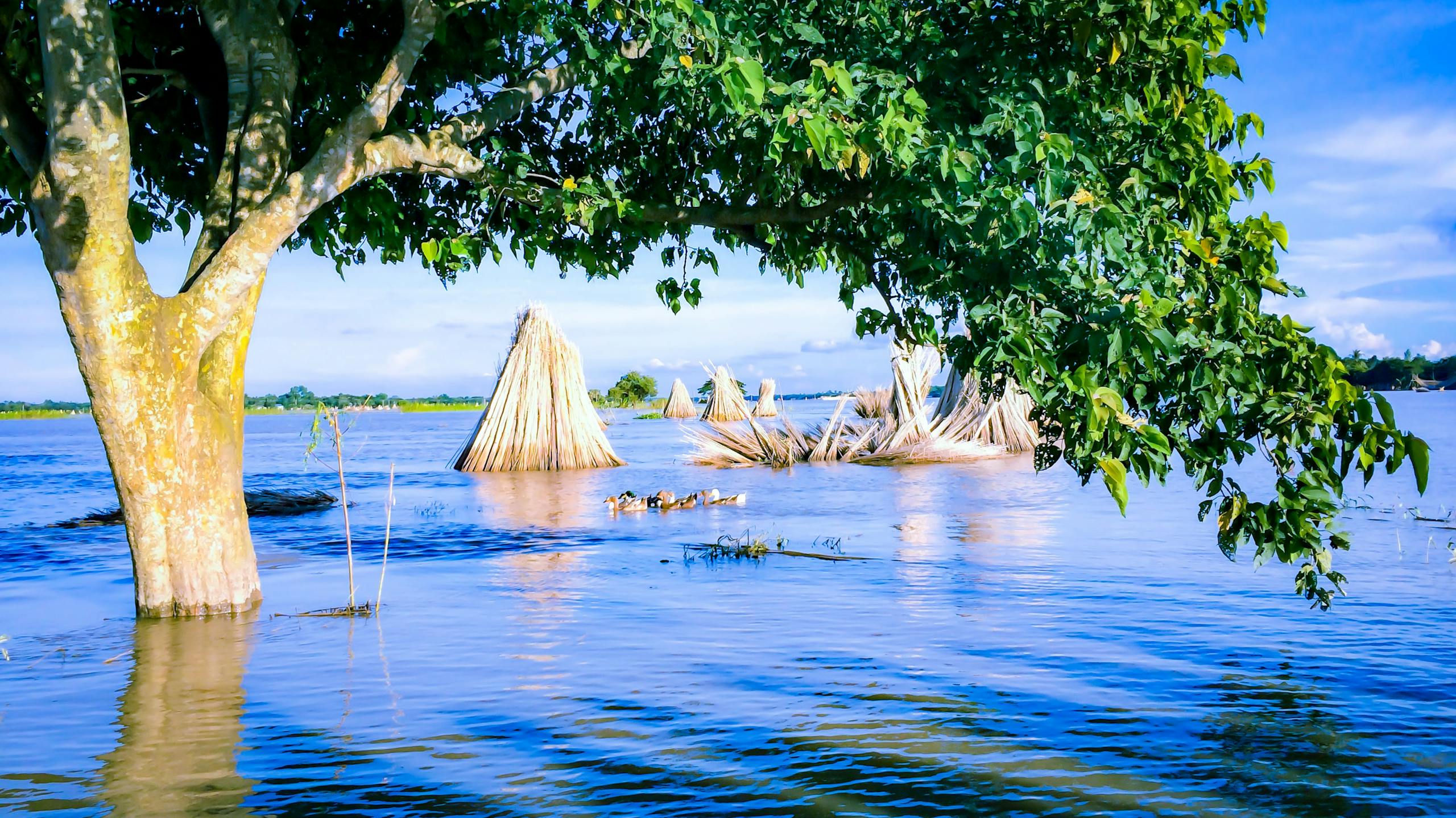
Major storms are no longer just about wind damage and rising water levels. New research suggests they are also becoming powerful drivers of long-term anxiety, especially in communities that sit near industrial zones. A recent study led by researchers from Rice University and the University of Alberta shows that when floods spread industrial contaminants through neighborhoods, residents’ worries about their future grow significantly deeper and more personal.
The study looks closely at what happens when climate-driven flooding collides with industrial pollution, a combination that researchers say is increasingly common in coastal cities. Instead of viewing climate change and toxic contamination as separate threats, the findings suggest they are tightly connected—and their combined impact is hitting some communities far harder than others.
Flooding Is One Thing, Toxic Flooding Is Another
Flooding has always been stressful, but this research highlights an important distinction. Residents who believed floodwaters in their neighborhoods were contaminated with industrial toxins reported much higher levels of concern about future flooding compared to those who experienced flooding without suspected contamination.
These concerns were not abstract fears about climate change in general. They were very specific. People worried about the safety of their homes, the health of their families, and the long-term livability of their neighborhoods. These three areas—home, health, and community—are considered core pillars of resilience, and contamination appeared to undermine all of them at once.
The study emphasizes that flooding becomes psychologically heavier when residents believe the water itself is dangerous, not just destructive.
Why Industrial Areas Face Higher Risks
Industrial activity has played a dual role in shaping this problem. On one hand, heavy industry has contributed to greenhouse gas emissions, worsening climate change and increasing the intensity of storms. On the other hand, it has left behind vast amounts of chemical contamination stored in plants, waste sites, and surrounding soil.
When floods occur, these contaminants can be remobilized, spreading across entire neighborhoods. This means residents are not only dealing with water damage but also with the fear of invisible toxins lingering in their environment long after the floodwaters recede.
The researchers argue that this dynamic is especially relevant for coastal industrial communities, which are often defined more by ongoing industrial operations than by tourism or high-end development.
Houston and Hurricane Harvey as a Case Study
To understand these dynamics in real-world conditions, the researchers focused on Houston, one of the most industrialized metropolitan areas in the United States. The city was severely impacted by Hurricane Harvey in 2017, a storm that brought unprecedented rainfall and widespread flooding.
Using detailed survey data, the study examined residents’ experiences during Harvey and their ongoing worries about future flood events. Participants were asked whether they believed their neighborhoods were flooded, whether they suspected contamination, and how concerned they felt about future risks.
The results were clear. Those who suspected toxic flood exposure showed significantly higher anxiety about future flooding, even years after the storm.
Climate Anxiety Is Not Evenly Distributed
One of the most striking findings of the study is how unevenly these worries are distributed across different racial and ethnic groups. Communities of color were far more likely to report suspected exposure to contaminated floodwaters during Hurricane Harvey.
The data revealed stark economic implications as well. According to the study’s analysis, the average Black resident affected by Harvey would need to increase their household income by more than $200,000 to achieve the same level of protection from contamination risk as the average white resident. For Latino residents, the income gap required for comparable protection was even larger.
These figures highlight how deeply structural inequality shapes exposure to environmental risks. It is not simply about personal choices or awareness; it is about where people can afford to live and how those neighborhoods are protected—or neglected—by infrastructure and policy.
What the Study Means by “Toxic Fear”
The researchers describe this phenomenon as toxic fear, a form of climate anxiety that emerges when natural disasters and industrial hazards overlap. This type of fear goes beyond concerns about rebuilding or insurance costs. It includes worries about long-term health effects, future property value, and whether a neighborhood will ever truly recover.
In this context, floods are not isolated events. They become recurring reminders of vulnerability, especially in places where industrial contamination is part of daily life even without extreme weather.
Why This Matters for Climate Planning
One of the central messages of the study is that industrial pollution and climate risk can no longer be treated as separate environmental challenges. As storms grow stronger and flooding becomes more frequent, the risk of contaminant spread will only increase unless proactive measures are taken.
The researchers argue for integrated planning at local, state, and federal levels. This includes rethinking zoning laws, strengthening flood protections around industrial sites, improving cleanup standards, and ensuring that vulnerable communities are not left carrying the burden of combined climate and contamination risks.
Importantly, the study also suggests that meaningful action could reduce anxiety. Addressing these risks head-on may help residents feel more secure about their long-term futures.
The Role of Community Partnerships
Beyond academic analysis, the research team is actively working with local nonprofit organizations through Rice University’s Center for Coastal Futures and Adaptive Resilience (CFAR). These partnerships aim to translate research findings into practical strategies that improve safety and resilience in affected neighborhoods.
This collaborative approach reflects a growing recognition that climate research must extend beyond data and models to include community engagement and real-world solutions.
A Broader Look at Toxic Flooding Risks
The issue highlighted by this study is not unique to Houston. Across the United States and globally, thousands of industrial and hazardous waste sites sit in flood-prone areas. Rising sea levels and heavier rainfall increase the likelihood that toxic materials will be released during storms.
These events, sometimes referred to as natech disasters (natural hazard–triggered technological accidents), are gaining attention among environmental scientists and policymakers. They represent a complex challenge because they combine climate adaptation, public health, environmental justice, and industrial regulation into a single problem.
Why Climate Anxiety Deserves Attention
Climate anxiety is often discussed in abstract terms, but this study grounds it in lived experience. It shows how worry about the future is shaped not only by climate forecasts but by past exposure, neighborhood conditions, and unequal access to protection.
For residents who have already lived through toxic flooding, future storms are not hypothetical. They are reminders of what could happen again—and perhaps worse.
Final Thoughts
This research makes a strong case that understanding climate impacts requires looking beyond physical damage alone. The psychological and social consequences of flood-driven contamination are real, measurable, and deeply tied to inequality.
As climate risks continue to rise, the challenge is not just to prevent flooding but to ensure that when floods do occur, they do not carry hidden dangers that erode trust, security, and mental well-being in already vulnerable communities.
Research paper:
https://doi.org/10.1061/NHREFO.NHENG-2568