How a GenAI Chatbot Framework Could Empower Youth in Disaster Risk Reduction
Over the past decade, the United States has experienced a noticeable rise in extreme weather events, and the consequences have been severe. According to Climate Central, more than 193 major disasters have occurred during this period, causing over $1.5 trillion in economic losses and resulting in 6,403 deaths. Beyond these numbers lies a deeper impact: disasters routinely disrupt access to basic human rights such as safety, housing, education, healthcare, and long-term stability.
How deeply a community is affected by a disaster is not determined only by the strength of the event itself. Outcomes are shaped by how prepared people are beforehand, how effectively they respond in the moment, and how strong recovery systems are afterward. As generative artificial intelligence (GenAI) becomes part of everyday life, researchers are increasingly asking whether these tools can strengthen disaster preparedness and resilience, particularly among young people aged 12 to 24.
A recent study published in Human Rights Education Review explores exactly this question. Conducted by researchers from the National Center for Disaster Preparedness at the Columbia Climate School, the study proposes a structured GenAI chatbot framework designed specifically to support youth engagement in disaster risk reduction (DRR). Rather than focusing on abstract possibilities, the research outlines concrete features and ethical safeguards needed to make these tools genuinely useful and empowering.
Why Focus on Youth and GenAI?
Young people are often among the most affected by disasters, yet they are rarely positioned as active participants in preparedness and recovery. Schools may provide limited disaster education, while official emergency communications often target adults. At the same time, youth are already deeply familiar with digital platforms, messaging apps, and conversational interfaces.
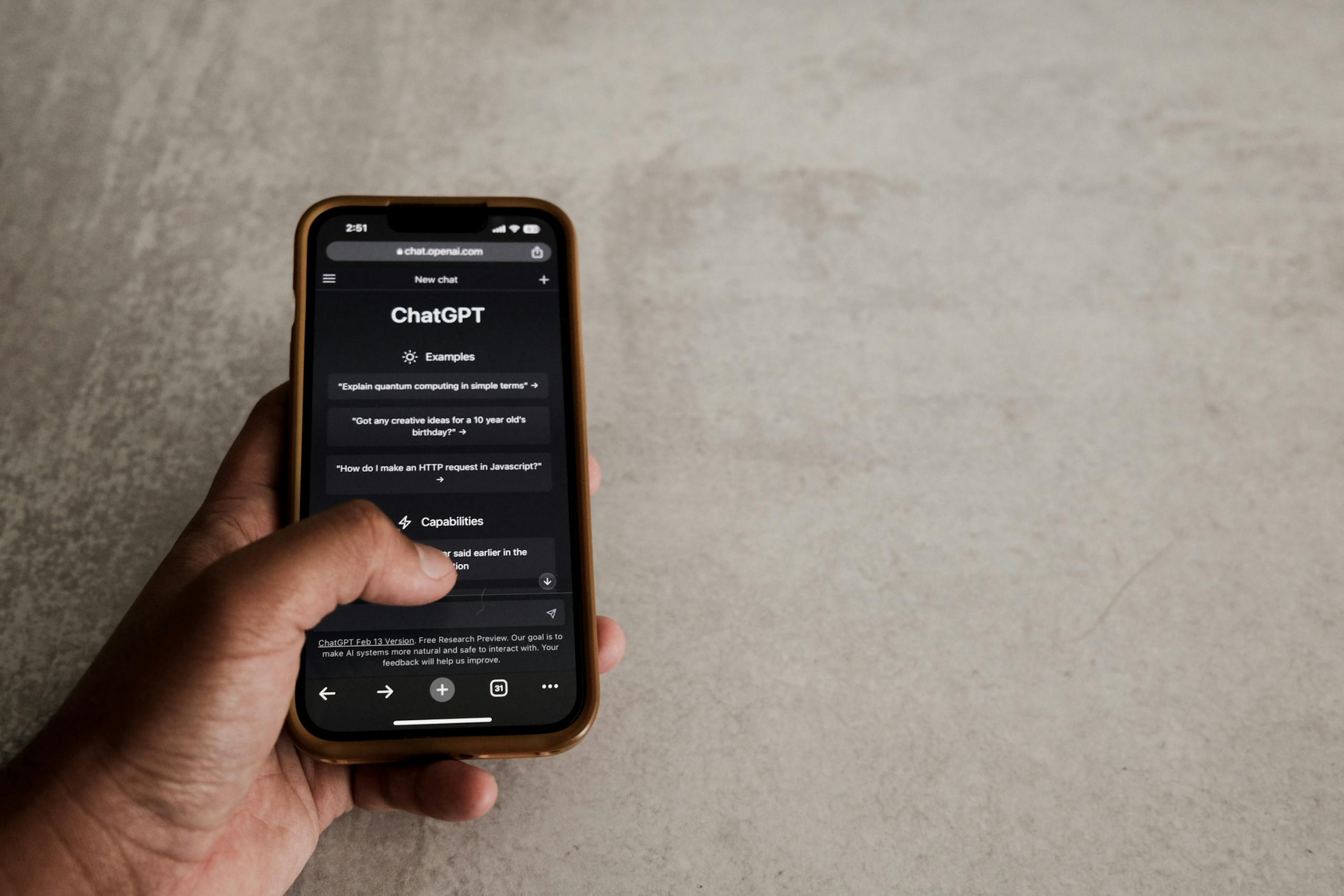
GenAI chatbots offer a way to meet young people where they already are. When thoughtfully designed, these tools can provide real-time information, encourage two-way communication, and connect education with community-based action. The researchers argue that GenAI should not simply deliver instructions, but should help youth understand risks, make informed decisions, and contribute meaningfully to local resilience efforts.
Existing Uses of Chatbots in Disaster and Climate Contexts
The study points to several real-world examples that demonstrate how chatbots are already being used in crisis-related situations. The American Red Cross chatbot Clara provides disaster preparedness tips and emergency guidance. ChatClimate translates complex climate science from IPCC reports into accessible, interactive explanations for the public.
Other platforms show the value of community participation. UNESCO’s STEDPA project in East Africa enables residents to receive alerts while also submitting local observations. In Indonesia, Peta Bencana allows citizens, including youth, to report flooding in real time, improving emergency response accuracy. These examples illustrate that chatbots are not just information tools but can function as community data hubs.
Potential Benefits of GenAI Chatbots for Disaster Risk Reduction
The proposed framework highlights several ways GenAI chatbots could strengthen youth participation across all phases of disaster management.
One key benefit is bidirectional communication. Instead of passively receiving warnings, young people can share local conditions, report hazards, and provide feedback. This kind of participation helps emergency systems respond more effectively while also reinforcing youth agency.
Another major advantage is timely and accessible education. GenAI chatbots can quickly synthesize new reports and guidance, presenting information in age-appropriate language. Because these tools can operate on familiar platforms like SMS and WhatsApp, they have the potential to reach youth who may lack access to traditional educational resources. The study emphasizes the importance of clear disclaimers and guardrails so users understand the limits of AI-generated information.
Chatbots can also support culturally responsive learning. With inclusive design, they can adapt content based on language, cultural context, and accessibility needs. Multilingual support, visual aids, and simple prompts help ensure that disaster education reaches youth across different backgrounds, abilities, and regions.
Gaps in Current GenAI Disaster Chatbots
Despite their promise, the researchers identify several limitations in how current GenAI chatbots function in disaster settings. Many tools rely on static or outdated datasets, which may not reflect local realities, particularly in underserved communities. Without real-time updates, guidance can become irrelevant or misleading.
Another issue is that most chatbots are user-driven, requiring people to know what questions to ask. For young users, this can be a major barrier. Without structured prompts or guided interactions, valuable information may remain inaccessible.
The risk of misinformation is also a serious concern. In fast-moving disaster scenarios, GenAI systems can generate incorrect or misleading content. Youth, who may not yet have strong critical evaluation skills, are especially vulnerable to these errors.
Finally, accessibility barriers persist. Reliable internet, electricity, and language inclusivity are not guaranteed in many regions. Chatbots that fail to support minority languages or low-bandwidth access risk reinforcing existing inequities rather than reducing them.
What a Youth-Centric GenAI Chatbot Should Prioritize
To address these challenges, the study proposes a set of design priorities that shift the focus from technology alone to youth-centered implementation.
A core recommendation is real-time localization, allowing chatbots to provide guidance tailored to a user’s specific location and risk profile. This should be combined with personalized recommendations that adapt to age, experience level, and community context.
The framework also emphasizes multi-modal communication, including maps, videos, graphics, and audio. Relying on text alone limits accessibility and engagement, especially for younger users or those with disabilities.
Another essential feature is two-way reporting, enabling youth to contribute observations that can support emergency coordination. Integration with official emergency systems and verified databases is critical to ensure accuracy and trust.
Importantly, the framework highlights the need for psychological first aid and emotional support. Disasters are not only physical events but deeply emotional experiences. Chatbots should be able to detect distress, offer supportive resources, and direct users to crisis hotlines when needed.
Long-term engagement is another priority. Notifications that encourage civic participation, recovery monitoring, and community involvement help ensure that youth remain engaged beyond the immediate crisis.
Finally, the study calls for youth-friendly design features, including simple prompts, guided interactions, age-sensitive messaging, and opportunities for young people to actively contribute information back to the system.
Ethical Safeguards and Human-Centered Design
The researchers stress that GenAI chatbots should never replace human support systems. Instead, they should complement educators, emergency responders, and community organizations. Strong ethical safeguards are essential to prevent harm related to surveillance, bias, data misuse, or emotional distress.
User privacy, informed consent, and transparency must be central, particularly when supporting minors. Emotional well-being is not an optional feature but a core requirement when deploying AI tools in crisis contexts.
Expanding the Conversation Around GenAI and Disaster Education
Beyond this specific framework, the study fits into a broader discussion about how GenAI is reshaping education and public safety. International organizations like UNESCO have emphasized that AI in education must be human-centered, equitable, and rights-based. Disaster risk reduction offers a powerful use case where these principles can be tested and refined.
If implemented intentionally, GenAI chatbots could operate continuously, scale to thousands of users, and provide culturally responsive guidance that strengthens both immediate disaster response and long-term community resilience. For youth, this means not just being protected, but being recognized as capable contributors to safer, more prepared communities.
Research Reference:
Huang, S., DeVincenzo, J., & Chandler, T. (2025). Positioning generative AI within human rights education: a scalable framework for inclusive disaster risk reduction and youth empowerment. Human Rights Education Review. https://doi.org/10.1080/25355406.2025.2593918