How Flood Size and Frequency Shape the Way Rivers Move Across the World
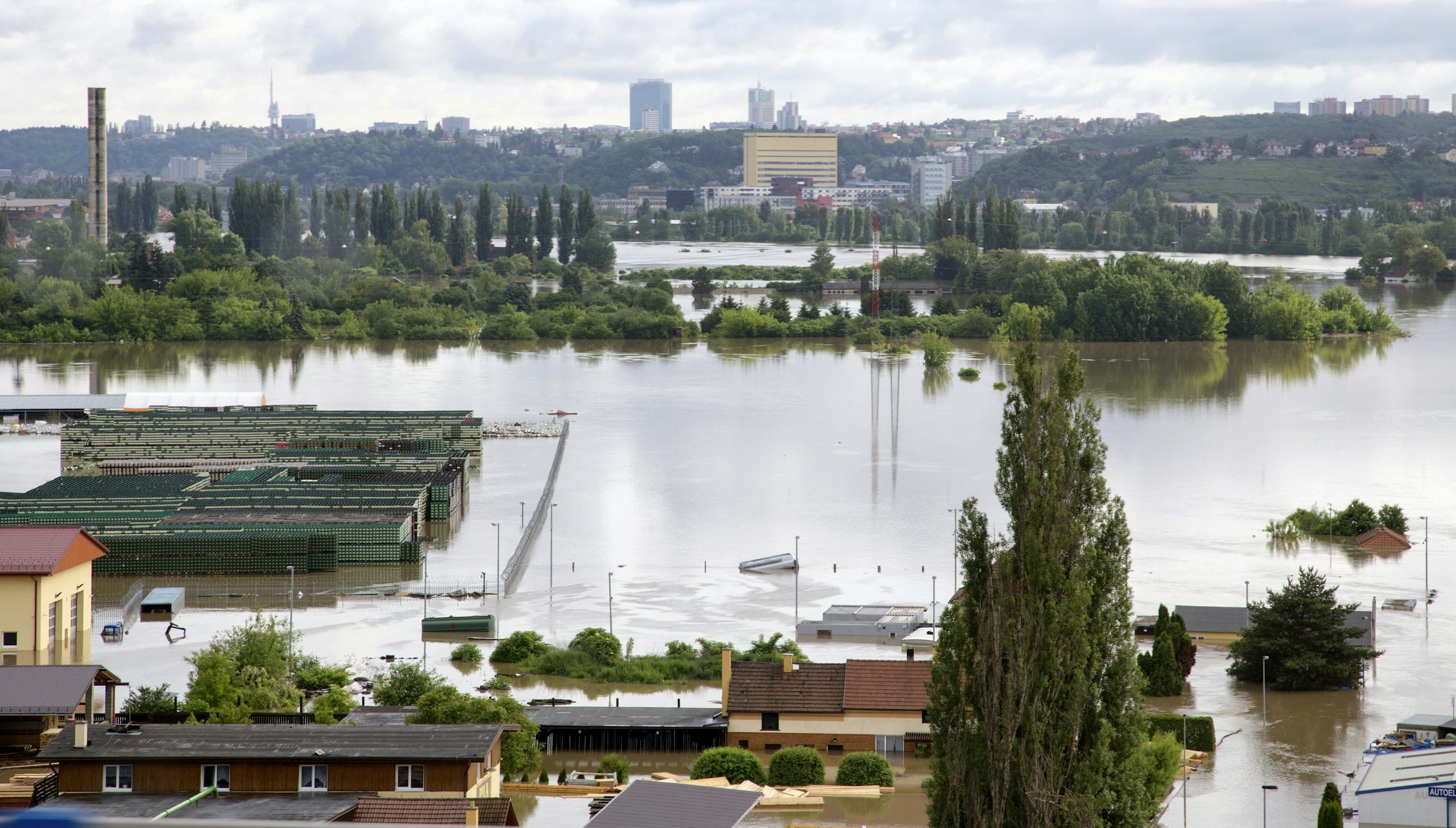
Rivers may look stable on a map, but new research shows they are anything but fixed. A recent study from Tulane University, published in the journal Science Advances, reveals that the size and frequency of floods play a decisive role in how rivers migrate over time. By analyzing river systems from around the globe, scientists have uncovered predictable physical rules that explain why some rivers shift dramatically while others stay relatively locked in place. This research matters not just for scientists, but for communities, farmland, infrastructure, and political boundaries that depend on rivers staying where they are.
At the center of the study is a simple but powerful idea: flood behavior controls river mobility, and the material that makes up riverbanks determines how strongly rivers respond to those floods.
Understanding River Migration and Why It Matters
River migration refers to the sideways movement of a river channel across its floodplain. Over years or decades, rivers can slowly erode one bank while depositing sediment on the other, causing bends to grow, shift, or even cut off entirely. This process shapes landscapes, creates fertile floodplains, and builds ecosystems. At the same time, it can threaten homes, levees, roads, farms, and cities.
Until now, scientists knew that floods were important drivers of river movement, but they lacked a global, data-driven framework explaining how flood size and flood frequency combine to control migration rates. This new study fills that gap.
Who Led the Study and Where It Was Published
The research was led by Chenliang Wu, a postdoctoral fellow in the Department of Earth and Environmental Sciences at Tulane University’s School of Science and Engineering. The study was co-authored by researchers from multiple institutions and published in Science Advances in 2025 under the title High variability in flood discharge and stage accelerates river mobility.
The team focused on developing a physics-based explanation for river migration, moving beyond case studies to a broad, global analysis.
A Global Dataset of Rivers
One of the most impressive aspects of this research is its scale. The scientists analyzed 64 river systems worldwide, representing a wide range of climates, geographies, and river sizes. These included rivers of enormous economic, ecological, and social importance, such as:
- The Lower Mississippi River in the United States
- The Amazon River in Brazil
- The Ob River in Russia
- The Sacramento River in California
- The Brazos River in Texas
For the Mississippi River, the researchers examined a detailed stretch running from just north of Baton Rouge all the way to the Gulf of Mexico. This section served as a natural laboratory because of its extensive historical records and long-term monitoring.
Using decades of daily river discharge and water level data, along with historical maps, aerial photographs, and satellite imagery, the team calculated how fast each river migrated sideways across its floodplain.
Flood Size, Flood Frequency, and Why Variability Matters
Rather than focusing only on average river flow, the study zeroed in on flood variability. This means how much flood size and water levels fluctuate over time, not just how big floods get.
The findings were clear:
- Rivers with high variability in flood discharge and water stage migrate much faster.
- Rivers with more consistent, predictable flood patterns tend to move more slowly.
Large floods that happen infrequently were found to be especially important. These floods have the power to reshape riverbanks, erode sediment, and reset the physical conditions that control river movement.
The Role of Riverbank Material
A key discovery of the study involves riverbank composition, particularly the difference between sandy and muddy banks.
The researchers confirmed a long-standing hypothesis:
- Sandy riverbanks are weak and erode easily, allowing rivers to migrate rapidly.
- Muddy or clay-rich banks are cohesive and resistant, slowing down erosion and limiting river movement.
Using detailed data from the U.S. Army Corps of Engineers, the team showed how repeated flooding alters bank composition over time. Large, less frequent floods tend to strip away finer sediments, leaving behind sandier banks that are more vulnerable to erosion during future floods. In contrast, areas dominated by mud remain relatively stable, even during high water events.
Why the Mississippi River Is Special
The Mississippi River played a central role in the study because it combines natural processes with heavy human intervention. Massive levee systems prevent the river from freely migrating, effectively locking it into place. However, the underlying physics of bank erosion and flood variability still apply.
By studying the Mississippi under controlled conditions, the researchers were able to isolate how flood cycles influence bank material and mobility, providing insights that apply to rivers worldwide—especially those without engineered barriers.
Implications for Communities and Infrastructure
This research has serious implications for people who live and work near rivers. As climate change increases the likelihood of extreme floods and prolonged droughts, many rivers may begin to migrate faster or in less predictable ways.
This matters because:
- Rivers often form national and regional borders, and shifts in river channels can trigger territorial disputes.
- Agricultural regions depend on stable river courses for irrigation and soil fertility.
- Roads, pipelines, bridges, and levees are vulnerable to erosion caused by migrating channels.
- Communities in floodplains may face displacement as river paths change.
Understanding the natural rules governing river movement allows planners and policymakers to design infrastructure that works with rivers rather than constantly fighting against them.
Why Floodplain Management Needs This Research
Traditional river management has often focused on controlling rivers, using levees, dams, and channelization to keep water in place. While these approaches can reduce short-term flood risks, they may increase long-term instability elsewhere.
The study suggests that better outcomes can be achieved by accounting for:
- Expected flood variability
- Riverbank sediment composition
- Long-term migration trends
This knowledge can inform river restoration projects, helping engineers decide where to allow natural movement and where to reinforce banks.
Extra Context: How Climate Change Alters Flood Behavior
Climate models consistently show that precipitation patterns are becoming more erratic. Many regions are seeing fewer but more intense rainfall events, which translates directly into larger, less frequent floods—the exact conditions identified in this study as drivers of rapid river migration.
As flood variability increases, rivers that were once stable may begin to shift, creating new risks in areas previously considered safe. This research provides a framework for anticipating those changes before they happen.
Looking Ahead: Future Research Directions
The researchers emphasize that flood size and frequency are only part of the story. Future work aims to integrate additional factors such as:
- Vegetation along riverbanks
- Human land use
- Sediment supply from upstream
- Long-term climate trends
By combining these elements, scientists hope to develop even more accurate predictions of how rivers will evolve over the coming decades.
At its core, this study reminds us that rivers are living systems, shaped by water, sediment, and time. As environmental conditions continue to shift, understanding how rivers respond will be essential for protecting both natural landscapes and human societies.
Research Paper:
https://www.science.org/doi/10.1126/sciadv.adv7637