Satellite Radar Is Exposing Just How Dangerous Many Aging Dams in the United States Have Become
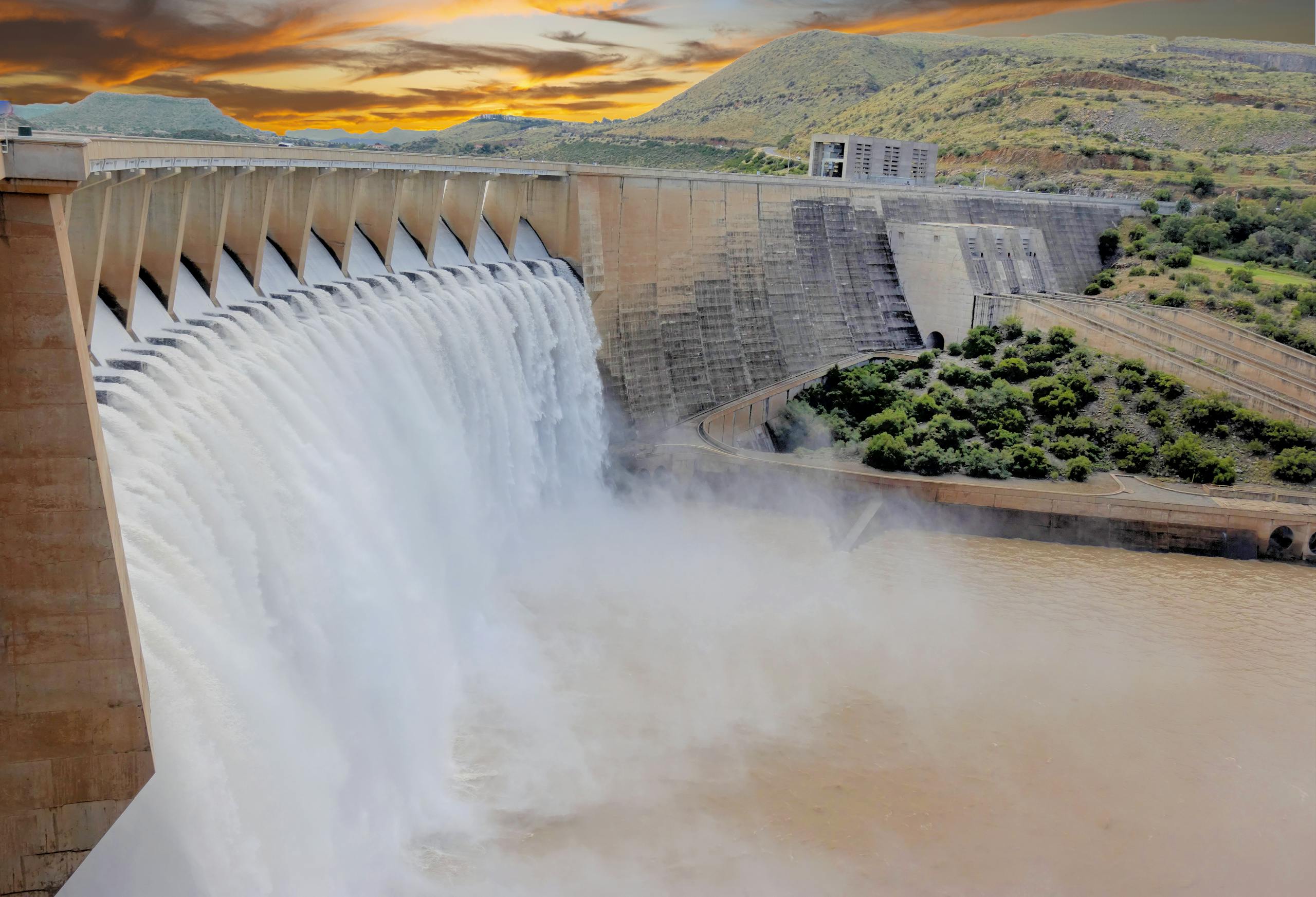
Dams across the United States may be in far worse condition than officials previously believed, and new satellite-based research is beginning to reveal problems that traditional inspections often miss. Recent findings presented by scientists from Virginia Tech suggest that thousands of U.S. dams, many of them decades old, could be experiencing hidden structural degradation beneath the surface—raising serious concerns about public safety, infrastructure resilience, and climate-related risk.
According to data from the Association of State Dam Safety Officials, more than 16,700 dams in the U.S. are currently classified as having high hazard potential. This classification does not mean that failure is imminent, but it does mean that if one of these dams were to fail, it could result in loss of life, major property damage, or severe economic disruption. Alarmingly, more than 2,500 of these high-hazard dams are already considered to be in poor condition.
Aging Dams and a Growing Infrastructure Problem
The United States experienced a massive dam construction boom during the 1950s and 1960s, a period when dams were built rapidly to support flood control, hydroelectric power, irrigation, and water storage. As a result, the average age of a U.S. dam is now about 61 years, based on figures from the National Inventory of Dams.
While many of these structures were designed to last several decades, few were built with today’s environmental pressures in mind. Over time, materials degrade, foundations settle, and maintenance can fall behind due to limited funding. This aging infrastructure problem has been known for years, but what is now becoming clear is that some of the most serious damage may be invisible to standard inspection methods.
How Satellite Radar Is Changing Dam Monitoring
To better understand what is happening beneath these massive structures, researchers led by geoscientist Mohammad Khorrami at Virginia Tech began using Interferometric Synthetic Aperture Radar (InSAR) data from the Sentinel-1 satellite. This technology allows scientists to detect millimeter-scale ground movement over long periods of time, offering a way to monitor large dams remotely without sending inspectors into the field.
By analyzing radar data collected over a 10-year period, the team examined how sections of high-risk dams were slowly sinking or shifting into the ground. Their focus was on hydroelectric dams that are 50 feet tall or higher, since these structures pose the greatest danger if they fail—not just to nearby communities, but also to regional power systems and water supplies.
What the researchers discovered was troubling. Many dams that had previously been reinforced or believed to be stable were still showing signs of subsidence, meaning parts of the structure were continuing to sink. This type of movement can place stress on concrete, weaken foundations, and potentially lead to internal degradation that is difficult to detect during routine visual inspections.
Early Findings, but Serious Warning Signs
The Virginia Tech team has been careful to describe their results as preliminary, emphasizing that more analysis is needed before drawing definitive conclusions about individual dams. Still, the patterns they observed are enough to raise red flags.
In some cases, the radar data aligned closely with issues already known to inspectors. One notable example is a large dam in North Carolina, where satellite observations confirmed that the northern face of the dam was slowly sinking. This movement has been linked to cracking in the concrete structure and poses a potential threat to the town of Roanoke Rapids downstream, where thousands of residents could be affected in the event of a failure.
These kinds of confirmations suggest that satellite radar could become a powerful tool for identifying which dams deserve urgent attention and funding—especially when resources are limited.
Combining Structural Risk With Social Vulnerability
One of the most important aspects of this research goes beyond engineering alone. Khorrami and his colleagues combined their radar-based findings with U.S. Census data, FEMA’s National Risk Index, and flood inundation maps to better understand who would be affected if these dams were to fail.
The results showed a troubling overlap: many of the most structurally compromised dams are located near socially vulnerable communities. These are areas where residents may have fewer resources, limited access to emergency services, or outdated Emergency Action Plans. In the event of sudden flooding caused by a dam failure, these communities could face disproportionately severe consequences.
This socio-spatial approach highlights that dam safety is not just an engineering problem—it is also a public safety and equity issue.
Why Dam Failures Still Matter Today
The United States has not experienced a catastrophic dam collapse on the scale of historic disasters in recent decades, but that does not mean the risk is gone. Large hydropower dams often serve as critical buffers for water supply, agriculture, and electricity generation. If even one major dam were to fail, the impacts could extend far beyond immediate flooding.
Such a failure could disrupt regional power grids, reduce irrigation water for farms, and trigger economic ripple effects at a national level. As the researchers point out, dams are deeply interconnected with modern infrastructure systems, making their stability essential.
Climate Change Is Adding New Pressure
Another factor complicating the situation is climate change. Many dams were designed for weather patterns that no longer exist. Today, intense rainfall events, rapid snowmelt, and extreme storms are becoming more common, forcing dams to hold and release water under conditions they were never engineered to handle.
These stresses increase the likelihood of overtopping, erosion, and internal damage, particularly in older dams that are already weakened by age.
Maintenance Still Makes a Big Difference
Despite the scale of the problem, the researchers emphasize that a significant portion of dam risk is preventable. Studies suggest that 40 to 50 percent of dam failures are linked to poor maintenance or management, rather than unavoidable natural causes.
This means that better monitoring, timely repairs, and smarter prioritization could dramatically reduce the risk. Satellite radar offers a way to help policymakers decide which dams need immediate action, rather than spreading limited funds too thin.
What Comes Next
The Virginia Tech team is now working toward creating dynamic risk models that can be updated regularly as new satellite data becomes available. Their long-term goal is to develop an interactive, publicly accessible map showing dam conditions, flood risks, and potential community impacts across the United States.
Such a tool could be invaluable for policymakers, emergency planners, and the public, offering a clearer picture of where attention is most urgently needed.
As U.S. infrastructure continues to age and environmental pressures increase, this kind of data-driven approach may be one of the most effective ways to prevent future disasters—before hidden damage becomes an irreversible failure.
Research reference:
https://ui.adsabs.harvard.edu/abs/2025AGUFM.IN42C..06K/abstract