Sloth Fever Unlikely to Spread Through Mosquitoes in the Southeastern US, New Research Finds
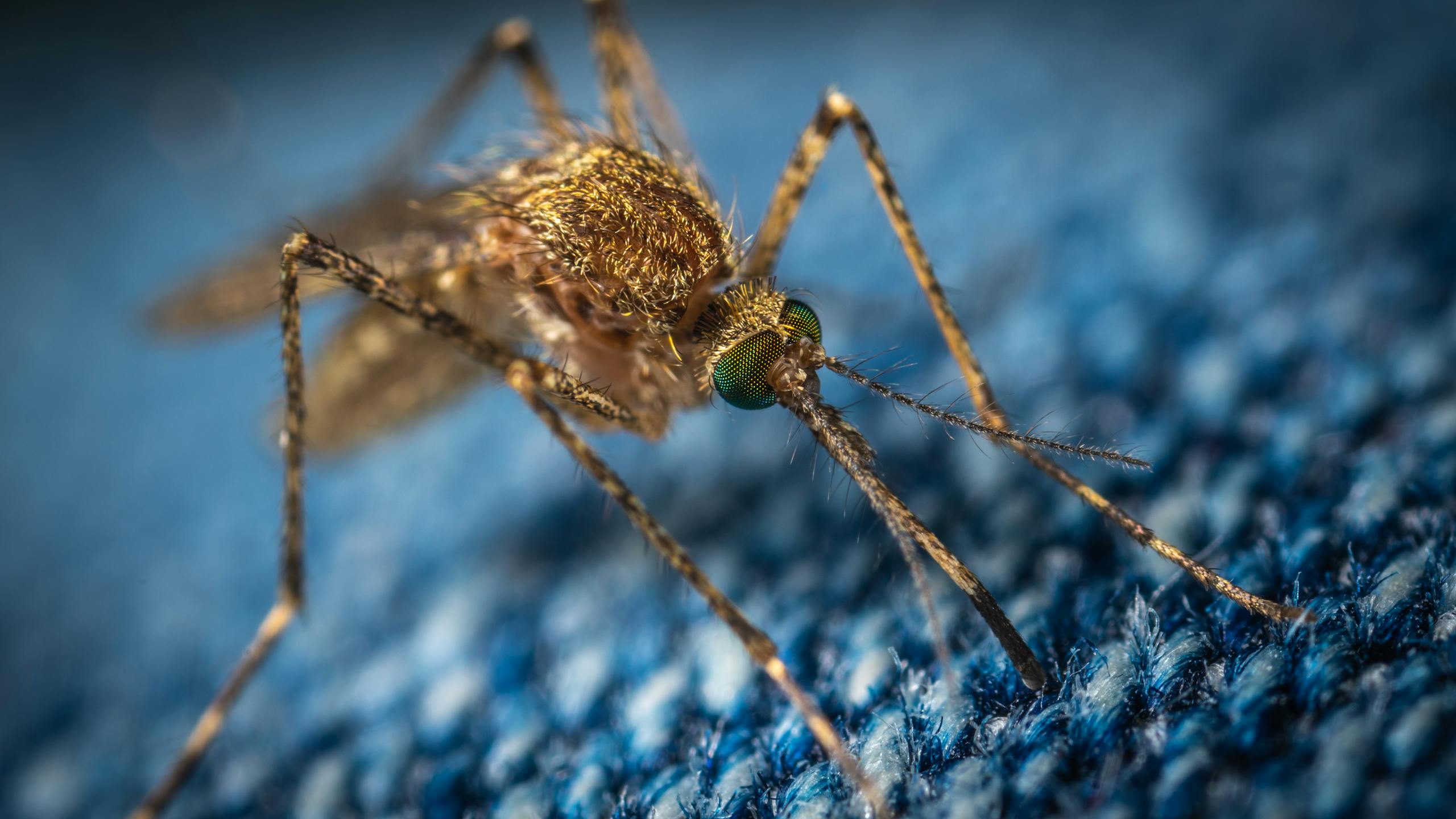
Concerns around “sloth fever”, a viral illness linked to international travel, grew rapidly in 2024 when cases began appearing in the United States. Officially caused by the Oropouche virus, the disease raised alarms because of its potential severity and its similarities to past outbreaks like Zika. However, new research now offers reassuring news: the mosquitoes most common in the Southeastern U.S. are very poor at spreading this virus, making local outbreaks unlikely.
This finding comes from a detailed study conducted by researchers at the University of Florida’s Institute of Food and Agricultural Sciences (UF/IFAS) and published in PLOS Neglected Tropical Diseases. The research closely examined whether Oropouche virus could realistically establish itself in the U.S. through mosquito transmission—and the results suggest that the risk is low.
What Is Sloth Fever and Why Did It Raise Alarm?
Sloth fever is the informal name used to describe illness caused by the Oropouche virus, an arbovirus that has circulated for decades in parts of South America and the Caribbean, including Brazil, Bolivia, Colombia, Peru, and Cuba. The virus is typically transmitted by biting midges, often referred to as no-see-ums, rather than mosquitoes.
In 2024, the virus made headlines in the U.S. after it was identified in travelers returning from Cuba. According to the U.S. Centers for Disease Control and Prevention (CDC), around 105 travel-related cases were detected that year, with approximately 103 cases reported in Florida alone. The sudden concentration of cases raised concerns among public health officials and researchers.
The worry was not just about the number of cases, but about how the virus might be spreading. The species of biting midge known to transmit Oropouche virus had never been documented in Cuba, leading scientists to suspect that mosquitoes could be acting as alternative carriers. If mosquitoes were capable of spreading the virus efficiently, the chances of the disease becoming established in the U.S. would increase significantly.
Symptoms and Serious Health Concerns
Most people infected with the Oropouche virus experience symptoms similar to other mosquito-borne illnesses. These commonly include fever, chills, headache, muscle pain, joint pain, and a bumpy rash. While many cases resolve without long-term complications, researchers have been particularly concerned about pregnancy-related risks.
Emerging evidence suggests that Oropouche virus infection during pregnancy may lead to fetal developmental issues, including potential cognitive and physical birth defects. This possibility drew comparisons to the Zika virus outbreak of 2016–2017, which had devastating consequences for pregnant women and newborns across several regions.
There is also limited but growing evidence that the virus may be capable of sexual transmission, adding another layer of complexity to public health monitoring.
Testing the Mosquitoes Most Common in the South
To better understand the real-world risk, researchers focused on the two mosquito species most responsible for spreading disease in the Southeastern United States:
- Aedes aegypti, commonly known as the yellow fever mosquito, which is infamous for spreading dengue, Zika, chikungunya, and yellow fever
- Culex quinquefasciatus, or the southern house mosquito, a known vector for West Nile virus, St. Louis encephalitis, and Western equine encephalitis
These mosquitoes frequently bite humans and are widespread across the region, making them logical candidates for investigation.
In a large-scale laboratory study, scientists exposed more than 2,000 mosquitoes to both prototype and emerging strains of the Oropouche virus. The goal was to determine whether the virus could infect the mosquitoes, replicate inside them, and ultimately reach their saliva—a crucial step for transmission to humans.
Why the Results Are Reassuring
The findings were clear and encouraging. Only a small fraction of the mosquitoes became infected after exposure to the virus. Even more importantly, very few mosquitoes had detectable virus in their saliva, meaning they were effectively incapable of passing the virus on through a bite.
This low level of vector competence suggests that even if a traveler infected with Oropouche virus were bitten by a mosquito in Florida or elsewhere in the Southeast, the likelihood of that mosquito infecting another person is extremely low.
Based on these results, researchers concluded that local transmission and long-term establishment of the virus in the Southeastern U.S. is very unlikely under current conditions.
What Still Needs to Be Studied
While the results rule out major mosquito species as effective carriers, the research does not completely close the book on all possible transmission routes. Scientists plan to continue investigating whether biting midges native to the U.S.—similar to those responsible for transmission in South America—could spread the virus locally.
Another area of interest is whether mosquitoes could transmit the virus vertically, meaning from an infected mosquito to its offspring. Although this is considered unlikely based on current evidence, it remains an important question for long-term surveillance.
Extra Context: How Vector Competence Studies Work
Studies like this one focus on a concept known as vector competence, which refers to an insect’s ability to acquire, maintain, and transmit a pathogen. Just because a mosquito bites an infected person does not mean it will become infectious itself. The virus must survive the mosquito’s immune defenses, replicate in its body, and reach the salivary glands.
Many viruses fail at one or more of these steps, which appears to be the case with the Oropouche virus and the major mosquito species in the Southeastern U.S. This is one reason why not all tropical viruses spread globally, even when international travel is common.
What This Means for Public Health
For now, the main risk associated with sloth fever in the U.S. remains travel-related exposure, not local mosquito transmission. Public health officials continue to emphasize monitoring, surveillance, and preventive measures, especially for travelers to affected regions.
Pregnant travelers, in particular, are advised to take precautions to avoid insect bites and stay informed about emerging guidance. While vigilance remains important, this new research significantly reduces fears of a widespread outbreak similar to Zika.
Final Takeaway
Despite early concerns, the evidence strongly suggests that sloth fever is unlikely to spread through mosquitoes in the Southeastern United States. The region’s most common disease-carrying mosquitoes are simply not effective vectors for the Oropouche virus. While ongoing research will continue to explore other potential risks, the current outlook is reassuring for both public health officials and the general public.
Research paper:
https://journals.plos.org/plosntds/article?id=10.1371/journal.pntd.0013755