Travel Bans During Extreme Snowstorms Lose Effectiveness Over Time According to Buffalo Blizzard Study
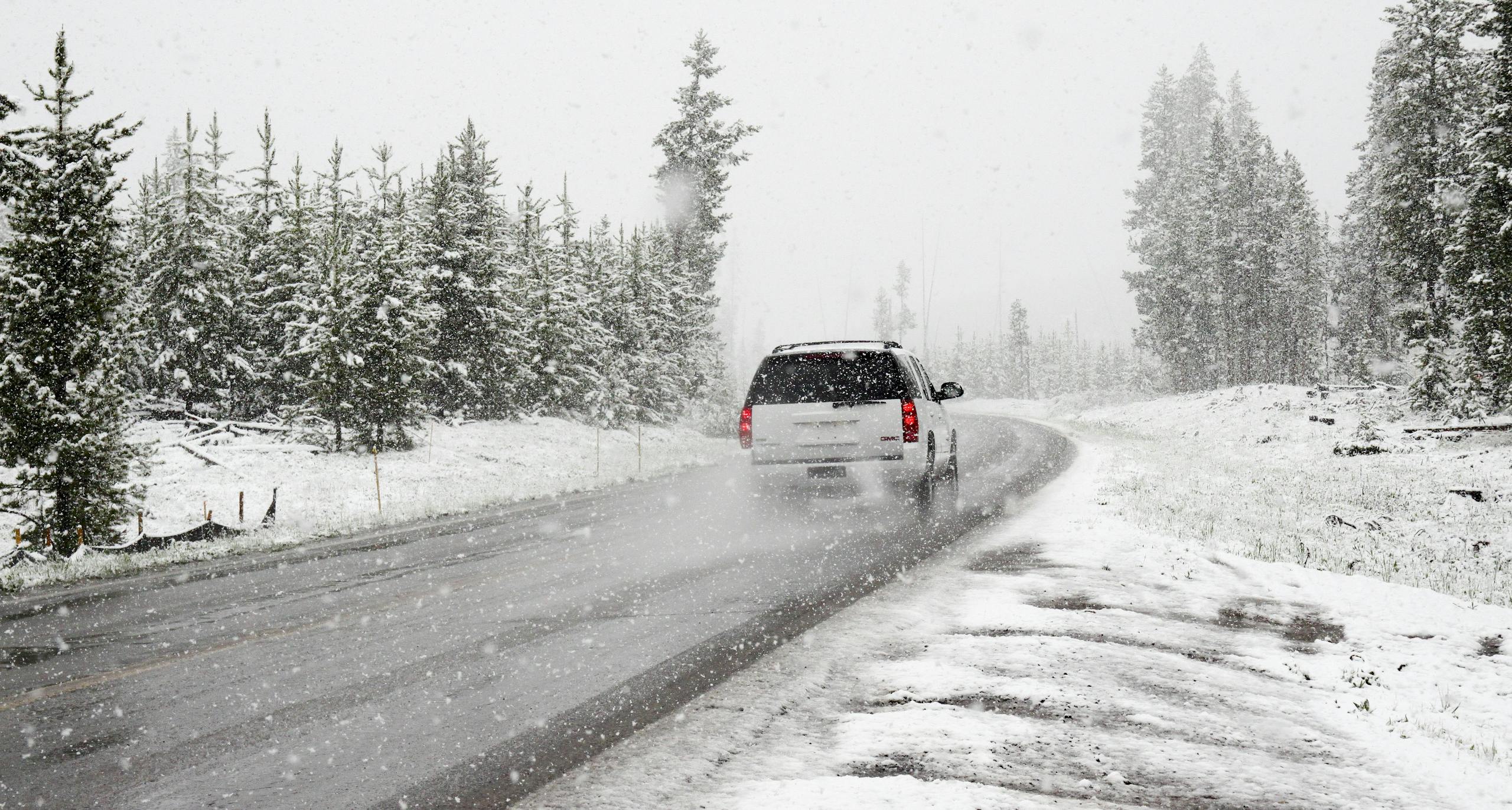
When Buffalo, New York was hit by a catastrophic blizzard in December 2022, the storm exposed more than just weaknesses in infrastructure and emergency response. It revealed a deeper issue with how travel bans function during long-lasting extreme weather events. A new study by researchers from NYU Tandon School of Engineering and Rochester Institute of Technology (RIT) shows that even strict, well-intentioned travel bans can lose their effectiveness as storms drag on, especially when people are pushed to leave home to meet basic needs.
The December 2022 blizzard was deadly, claiming more than 30 lives and paralyzing large parts of the city for days. Authorities imposed travel bans to keep people off the roads and allow emergency crews to operate, but over time, those restrictions began to break down. According to the researchers, this wasn’t simply a matter of people ignoring rules—it was a sign that blanket policies can fail when human realities are ignored.
Why Travel Bans Struggle During Prolonged Storms
Travel bans are designed to reduce risk during dangerous conditions by keeping vehicles off the road. In short storms lasting a day or less, they can be highly effective. However, the study found that when a storm stretches on for multiple days, compliance becomes increasingly difficult.
Households run out of food, medicine, and heating supplies. People who cannot afford to stockpile essentials are forced to choose between personal safety and survival needs. Over time, the practical ability to follow a travel ban weakens, even if the threat remains severe.
The Buffalo blizzard provided a real-world case study of this problem. Roads were buried, temperatures plunged, and power outages left many residents without heat. As conditions persisted, travel activity began to rise again before officials officially lifted the ban, signaling a loss of policy effectiveness.
A New Predictive Framework for Policymakers
To better understand and anticipate these breakdowns, the research team developed a data-driven predictive framework that estimates how long a travel ban is likely to remain effective. The model uses weather indicators such as snowfall accumulation, snow depth, and temperature to forecast when compliance may begin to decline.
The researchers introduced a new metric called Loss of Resilience of Policy, which measures how a policy’s ability to restrict travel deteriorates over time. Using regression modeling, they showed that harsher weather conditions—especially heavy snowfall and deeper snow cover—are linked to faster losses of policy resilience.
This framework gives emergency planners a way to think ahead. If forecasts show five days of heavy snow instead of one, officials can plan differently from the start rather than assuming a standard travel ban will hold indefinitely.
Comparing Two Buffalo Storms in 2022
One of the most interesting aspects of the study is its comparison of two major Buffalo winter storms that occurred just weeks apart in late 2022.
The November 2022 storm also involved travel restrictions, but authorities adjusted policies more frequently and introduced neighborhood-specific changes, particularly in South Buffalo. During this event, travel suppression remained stronger for longer periods.
In contrast, the December 2022 blizzard relied more heavily on broad, citywide restrictions that stayed in place as conditions worsened. Travel patterns during this storm showed a clear rebound even while the ban was still active, highlighting how policy durability depends not only on severity but also on flexibility.
By analyzing vehicle travel times and speed data from navigation systems, the researchers identified statistical turning points—moments when travel behavior began shifting back toward normal. These turning points appeared earlier during the December storm than during the November event.
Neighborhood Differences and Social Realities
The breakdown of travel bans did not happen uniformly across Buffalo. Some neighborhoods showed larger increases in travel activity than others, even under the same restrictions. The study linked these differences to socioeconomic factors such as income levels, education, and access to resources.
In communities where residents had fewer options to stockpile food or work remotely, staying home for a week-long ban was often unrealistic. This highlights an uncomfortable truth: blanket travel bans assume equal capacity to comply, even though that capacity varies widely across a city.
Rather than blaming residents, the researchers argue that these insights should guide more equitable emergency planning. If authorities can identify where compliance will be hardest to sustain, they can intervene earlier with targeted support.
Rethinking Emergency Policy Design
The study’s findings point toward a shift in how emergency travel restrictions should be designed. Instead of relying solely on long, citywide bans, officials could consider targeted restrictions, rolling bans, or phased approaches that acknowledge human limitations.
Planning ahead could also include food distribution programs, strategically placed warming centers, and clear communication about how restrictions may evolve over time. When people feel supported rather than trapped by policy, compliance is more likely to last.
Another important takeaway is the role of trust. Maintaining restrictions that residents cannot realistically follow can erode public confidence in future emergency orders. Policies that adapt to real conditions help preserve legitimacy while still prioritizing safety.
Beyond Snowstorms: Broader Applications
While this study focuses on winter storms, its implications extend far beyond Buffalo. The same framework could be applied to other prolonged emergencies such as hurricanes, floods, heat waves, or even large-scale evacuations.
The research builds on earlier work by the same team that used AI and big data to analyze how transportation systems responded to policy actions during the COVID-19 pandemic. In both cases, the key insight is timing—understanding how long a policy can realistically remain effective before human behavior begins to shift.
Why This Research Matters
Extreme weather events are becoming more frequent and more intense due to climate change. Cities will increasingly rely on emergency policies to protect lives, but those policies must reflect how people actually live.
This study doesn’t argue against travel bans. Instead, it emphasizes that policy realism is just as important as policy intent. By using data, forecasts, and local context, officials can design responses that work not just in theory, but in practice.
The Buffalo blizzard was a tragedy, but it also provided lessons that could save lives in the future. Understanding when and why travel bans lose effectiveness may help cities respond more intelligently the next time disaster strikes.
Research Paper Reference:
https://doi.org/10.1016/j.tranpol.2025.103893