UN Report Finds That Investing in Planetary Health Can Boost Global GDP and Save Millions of Lives
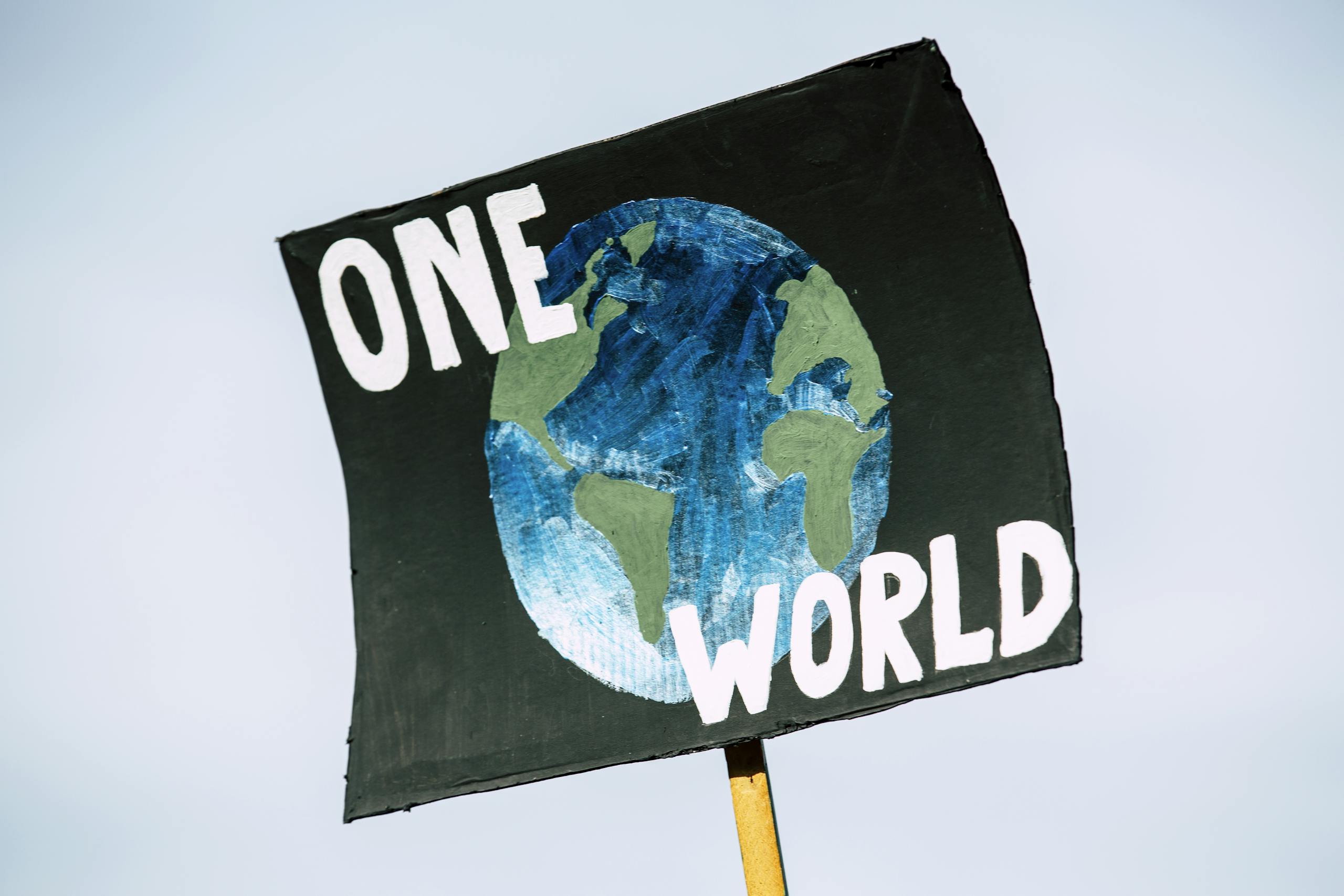
The world’s environmental crisis is no longer just about melting glaciers or disappearing forests—it is now deeply tied to global economic stability, public health, and human well-being. A major new assessment by the United Nations Environment Programme (UNEP) makes this connection clearer than ever. According to its latest flagship report, investing in planetary health—a stable climate, thriving ecosystems, healthy land, and a pollution-free environment—could unlock trillions of dollars in economic benefits, prevent millions of premature deaths, and lift hundreds of millions of people out of poverty and hunger over the coming decades.
The findings come from the Global Environment Outlook, Seventh Edition (GEO-7), described as the most comprehensive global environmental assessment ever undertaken. The report was released during the seventh session of the United Nations Environment Assembly (UNEA-7) in Nairobi and represents the work of 287 multidisciplinary scientists from 82 countries, drawing on decades of data, modeling, and policy analysis.
A Stark Diagnosis of the Planet’s Condition
GEO-7 paints a sobering picture of the state of the world. Climate change, biodiversity loss, land degradation, desertification, and pollution are already inflicting massive economic and human costs. These interconnected crises are collectively draining trillions of dollars from the global economy every year while undermining food security, health systems, and livelihoods.
Greenhouse gas emissions have continued to rise at an average rate of 1.5% per year since 1990, reaching a new record high in 2024. The result has been intensifying heatwaves, floods, droughts, and storms. Over the past two decades alone, the annual cost of extreme weather events linked to climate change has been estimated at around US $143 billion.
Land degradation is another growing crisis. The report estimates that 20% to 40% of the world’s land area is already degraded, affecting more than three billion people. At the same time, biodiversity loss is accelerating, with one million species now threatened with extinction out of an estimated eight million globally.
Pollution remains a silent but deadly factor. Each year, around nine million premature deaths are attributed to pollution in its various forms. Air pollution alone caused economic health damages worth US $8.1 trillion in 2019, equivalent to roughly 6.1% of global GDP.
The High Cost of Doing Nothing
One of GEO-7’s most striking conclusions is how dangerous the current business-as-usual development pathway has become. Without urgent and coordinated action, global average temperatures are expected to exceed 1.5°C above pre-industrial levels in the early 2030s, cross 2.0°C by the 2040s, and continue climbing throughout the century.
The economic consequences of this trajectory are severe. Climate change alone could reduce global GDP by 4% by 2050 and by as much as 20% by the end of the century. Land degradation is projected to continue at current rates, with the world losing fertile land roughly the size of Colombia or Ethiopia every year. Meanwhile, climate impacts could reduce per-person food availability by 3.4% by 2050, increasing the risk of hunger and social instability.
Plastic pollution is another mounting problem. Around 8 billion tons of plastic waste are already polluting the planet, and without intervention, this figure will continue to grow. Exposure to toxic chemicals associated with plastics is estimated to cause US $1.5 trillion in health-related economic losses every year.
A Better Path Forward
Despite these alarming trends, GEO-7 emphasizes that the future is not predetermined. The report outlines a transformative alternative built around whole-of-government and whole-of-society approaches that fundamentally reshape how economies function.
According to UNEP’s modeling, transforming key systems—economy and finance, materials and waste, energy, food systems, and the environment—could generate global macroeconomic benefits starting around 2050, rising to approximately US $20 trillion per year by 2070, and potentially reaching US $100 trillion annually thereafter.
These benefits come not only from avoiding environmental damage but also from creating healthier populations, more resilient food systems, cleaner energy infrastructure, and more efficient use of resources.
Two Transformation Pathways
The report presents two main transformation pathways to reach these outcomes. The first emphasizes behavioral and societal change, encouraging reduced material consumption, shifts in lifestyles, and more sustainable demand patterns. The second relies more heavily on technological development and efficiency gains, including cleaner energy systems, advanced recycling, and sustainable agricultural technologies.
While different in emphasis, both pathways lead to similar results: reduced climate risks, lower biodiversity loss by 2030, and an overall increase in natural land areas. Importantly, the pathways are not mutually exclusive and can reinforce one another when implemented together.
Health, Poverty, and Human Well-Being
The human benefits outlined in GEO-7 are just as compelling as the economic ones. By reducing air pollution and environmental hazards, the transformation pathways could help avoid up to nine million premature deaths by 2050.
In terms of food security and poverty reduction, the gains are equally significant. By mid-century, nearly 200 million people could be lifted out of undernourishment, while more than 100 million people could escape extreme poverty. These outcomes depend on improving land health, stabilizing the climate, and making food systems more efficient and equitable.
What It Will Take to Get There
Achieving net-zero emissions by 2050 and securing adequate funding for biodiversity conservation and ecosystem restoration will require sustained investment of around US $8 trillion per year until 2050. While this figure is substantial, the report stresses that the cost of inaction is far higher, both economically and socially.
GEO-7 outlines concrete measures across five key areas:
- Economy and finance: Moving beyond GDP to broader wealth metrics that include human and natural capital, pricing environmental externalities accurately, and reforming harmful subsidies.
- Materials and waste: Embracing circular product design, improving transparency and traceability, and shifting investment toward regenerative business models.
- Energy: Rapidly decarbonizing energy systems, boosting efficiency, ensuring ethical mineral supply chains, and addressing energy access and poverty.
- Food systems: Promoting healthy and sustainable diets, reducing food loss and waste, and improving agricultural efficiency.
- Environment: Accelerating conservation and restoration, expanding nature-based solutions for climate adaptation, and strengthening mitigation efforts.
The Role of Indigenous and Local Knowledge
A notable strength of GEO-7 is its emphasis on inclusive decision-making. The report highlights the importance of integrating Indigenous Knowledge and Local Knowledge into environmental policies, recognizing that just transitions must respect cultural contexts while delivering both environmental sustainability and human well-being.
Why This Report Matters Now
GEO-7 arrives at a critical moment. Environmental degradation is no longer a distant threat—it is already shaping economies, health outcomes, and global stability. The report makes it clear that investing in planetary health is not a luxury or a moral add-on, but a core economic and development strategy.
By aligning environmental action with economic transformation, GEO-7 offers a clear message: protecting the planet and improving human prosperity are not competing goals—they are deeply interconnected.
Research Paper Reference:
Global Environment Outlook – Seventh Edition (GEO-7): A Future We Choose
https://www.unep.org/geo/global-environment-outlook-7