Urban Areas Insurance Feasibility and Structure Explored in a New Report
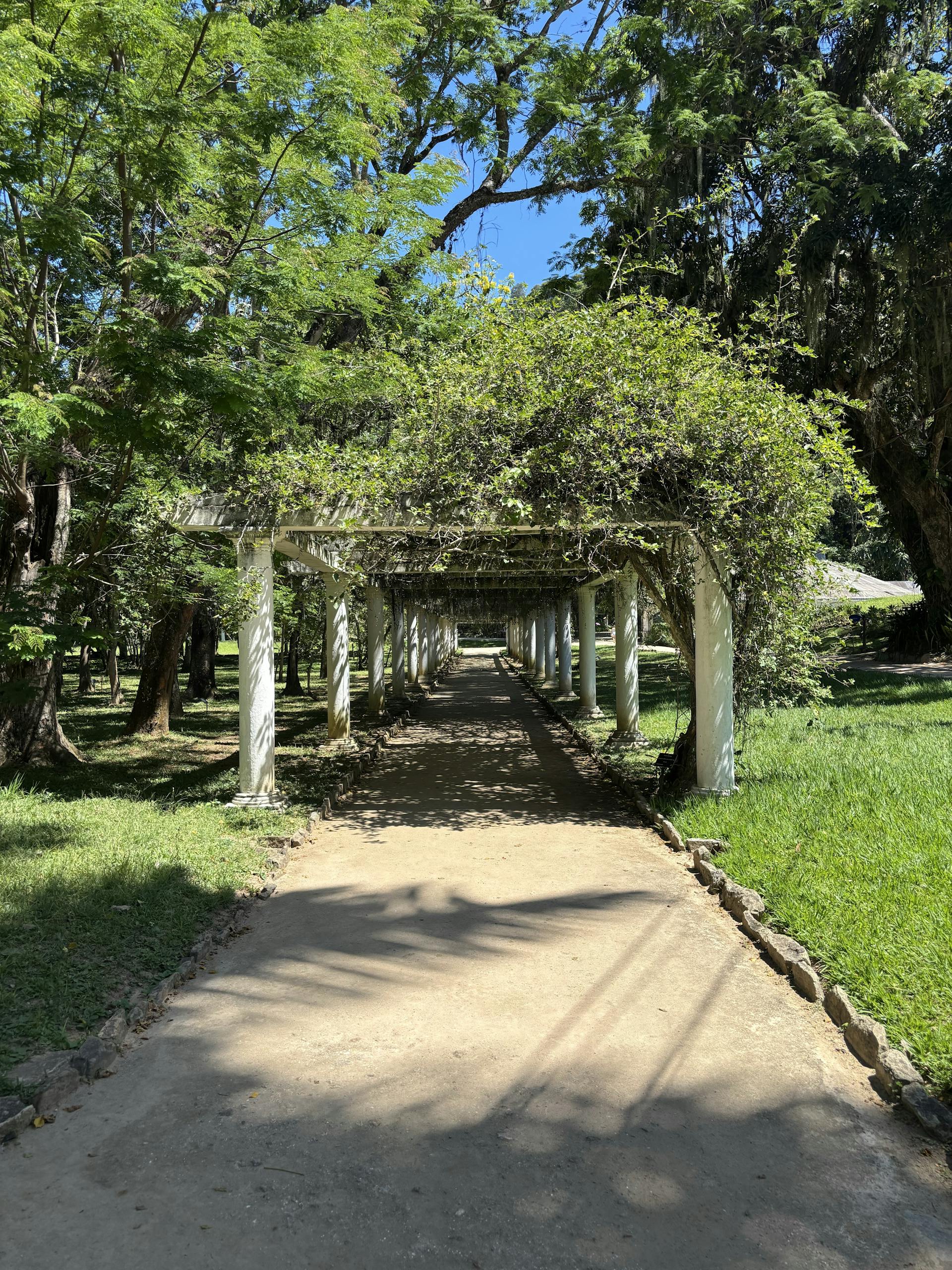
Urban trees quietly shape daily life in cities, yet they are rarely treated as the valuable assets they are. A new report from California researchers takes a close look at this gap and asks a practical question: what if urban forests were insured, just like roads, buildings, or other public infrastructure? The result is a detailed feasibility study that breaks down the environmental, economic, and social value of urban trees and explains how insurance could help cities better protect them as climate risks grow.
The report, titled California Urban Forest Insurance, was co-authored by Heather Tallis, a senior fellow at the Center for Coastal Climate Resilience (CCCR) at the University of California, Santa Cruz. Its core goal is simple but ambitious: translate the many benefits of urban forests into monetary terms so policymakers, insurers, and communities can clearly see why protecting them makes financial sense.
Why Urban Forests Are Usually Not Insured
Urban forests—trees in parks, along streets, and in mixed-use city spaces—are typically not insured for their replacement value. When storms, high winds, or extreme weather knock down large numbers of trees, cities are often left scrambling to find funding for cleanup and replanting.
This gap becomes more serious as climate change increases the frequency and intensity of extreme weather. According to the report, storms are the most immediate and insurable threat to urban forests in California. Atmospheric rivers, heavy rainfall, and strong winds are already causing widespread tree loss, and the costs of recovery are often underestimated or pushed aside in municipal budgets.
The researchers argue that insurance could offer a faster, more reliable way to fund recovery—especially when designed around clearly measurable triggers.
Putting a Price Tag on Urban Trees
One of the most striking parts of the report is how clearly it lays out the economic value of urban forests. California alone is home to approximately 173.2 million urban trees, and together they represent an estimated $181 billion asset.
These trees are not just standing around looking nice. Each year, they generate around $8 billion in ecosystem services, including cooling urban temperatures, improving air quality, managing stormwater, and supporting public health. To put this in perspective, the report notes that the combined value of California’s highways, buildings, and other depreciable property in 2023 was $143.4 billion, meaning urban trees actually exceed many traditional infrastructure assets in value.
Health benefits play a major role in these calculations. One study cited in the report found that among 5 million Northern California residents, people living in greener neighborhoods paid about $374 less per year in adjusted healthcare costs than those in areas with fewer trees. These savings are linked to lower heat stress, improved air quality, and better mental health outcomes.
Urban forestry also supports the broader economy. In 2021, planting, maintaining, and caring for urban and community forests contributed $12.9 billion to California’s economy and supported 78,560 jobs. The report emphasizes that even these impressive numbers likely underestimate the true value, because many benefits—such as long-term mental health improvements or educational outcomes—are difficult to fully capture using current economic methods.
Aligning Environmental Value With Insurance Systems
Heather Tallis has spent much of her career working on ways to quantify how natural systems affect human well-being. In this report, that experience shows clearly. The idea is not just to prove that urban forests matter, but to connect those benefits to systems that already drive decision-making, such as insurance and investment.
This approach aligns closely with the work of the California Department of Insurance (CDI), particularly efforts led by Special Advisor Deborah Halberstadt. The collaboration between CCCR researchers and CDI helped shape the report’s focus on insurance as a practical climate-response tool, rather than a purely theoretical idea.
By framing urban forests as long-term investments, the report makes the case that protecting them is not just an environmental priority, but a financial one.
Health, Education, and Everyday Benefits
Beyond economics, the report draws on earlier research showing how access to green space influences daily life. Studies have linked urban greenery to better educational outcomes for elementary school students, faster recovery times for hospital patients, and improved mental health—even when greenery is only visible through a window.
These findings are why the report identifies healthcare providers and health insurers as important stakeholders. Greener environments can lead to fewer claims and lower healthcare costs, meaning insurers themselves stand to benefit from investments in urban forests.
How Urban Forest Insurance Could Work
The report explores parametric insurance as the most promising model for urban forests. Unlike traditional insurance, parametric policies pay out automatically when specific conditions are met, rather than after damage assessments.
For urban forests, these triggers could include:
- Sustained wind speeds above a set threshold
- Extreme precipitation levels
- Soil saturation that increases the likelihood of tree failure
The idea is to create tiered payout levels, so more severe events trigger larger payments. These funds could then be used immediately by cities to remove fallen trees, restore damaged green spaces, and replant lost canopy.
To ground this concept in real-world needs, the research team convened a workshop with urban foresters, community organizations, nonprofits, academics, and healthcare professionals. Their input helped shape how a policy could operate in practice and how funds might be distributed after an event.
Learning From a Proven Model
The concept of insuring natural assets is not entirely new. The report draws inspiration from the Mesoamerican Barrier Reef insurance model, developed in 2019 by CCCR Director Michael W. Beck and partners including The Nature Conservancy and Swiss Re.
In that case, a parametric insurance policy paid out when Hurricane Delta’s winds exceeded 100 knots, allowing rapid funding for reef restoration along Mexico’s Yucatán Peninsula. Similar models have since been expanded to other reef systems in the region and in Hawai‘i.
Urban forest insurance adapts this same logic to city landscapes, where rapid response can make the difference between long-term canopy loss and successful recovery.
What Comes Next
The report makes it clear that this is only a starting point. Researchers recommend continued conversations with insurers, deeper analysis of post-disaster recovery costs, and pilot programs with interested cities to test how policies might work on the ground.
Success, in this context, would mean cities and stakeholders recognizing urban nature as something worth protecting with the same seriousness given to built infrastructure. The long-term vision is a world where insurance for natural assets becomes routine, offered by major insurers and integrated into climate resilience planning.
More broadly, the report aims to shift how people think about nature in cities—not as a luxury, but as a critical part of daily life and economic stability.
Research paper: https://bpb-us-w2.wpmucdn.com/wordpress.ucsc.edu/dist/1/154/files/2025/10/CA-Urban-Forest-Insurance-Feasibility-Report-2025-FINAL.pdf