Weighing the Sustainability of Real vs. Artificial Christmas Trees
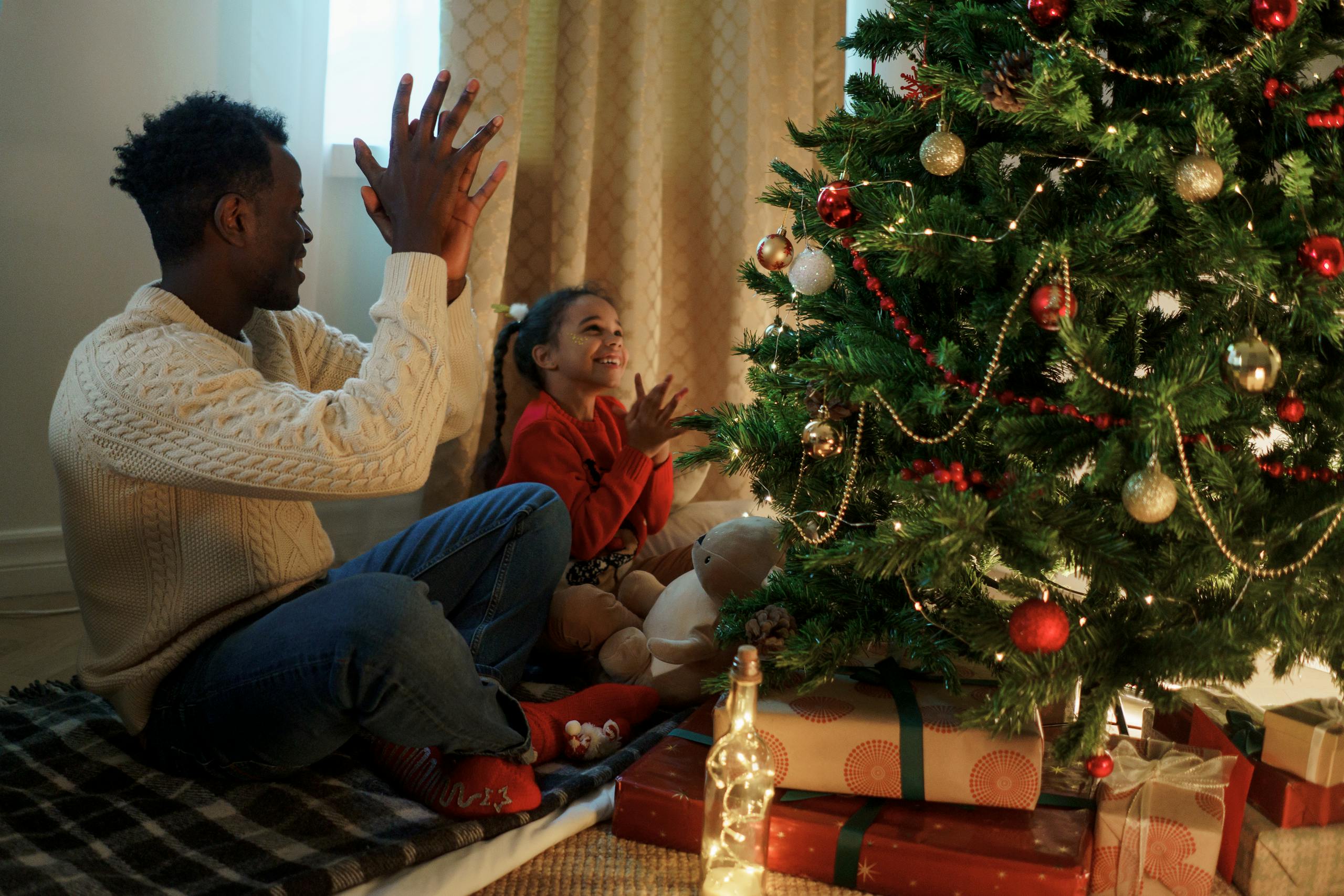
Every holiday season, as decorations come out of storage and festive plans take shape, many people pause to ask a surprisingly complex question: is a real Christmas tree or an artificial one more sustainable? What seems like a simple choice quickly turns into an environmental puzzle once you start looking at materials, transportation, carbon emissions, and end-of-life disposal.
According to sustainability experts, the answer is not as straightforward as many would hope. There is no single option that is always better in every situation. Instead, the more sustainable choice depends on how long a tree is used, where it comes from, and how it is ultimately disposed of.
Why Sustainability Is Not a Black-and-White Decision
A common misunderstanding about sustainability is the idea that one choice is universally good while the other is universally bad. In reality, environmental decisions usually involve trade-offs. Factors like lifecycle assessment, material sourcing, transportation distances, and consumer behavior all influence the final impact.
When it comes to Christmas trees, both real and artificial options come with environmental costs and benefits. The most sustainable option for one household may not be the same for another. Understanding the details helps consumers make a more informed choice rather than relying on assumptions.
Artificial Christmas Trees and the Importance of Longevity
Artificial Christmas trees are typically made from plastic (often PVC) and metal, materials that require significant energy to produce. Most artificial trees sold in large retail stores are manufactured overseas, commonly in China, and then shipped thousands of miles before reaching consumers. This long supply chain adds substantially to their carbon footprint.
Because of this, using an artificial tree for only one or two seasons is generally considered environmentally inefficient. The emissions associated with manufacturing and shipping are simply too high to justify such short-term use.
Studies that examine the carbon footprint of artificial trees often suggest a reuse threshold of around seven to ten years before their overall environmental impact becomes comparable to that of a real tree. Some analyses even recommend keeping an artificial tree for longer than a decade to fully offset its initial footprint. The guiding principle is simple: the longer an artificial tree is reused, the more sustainable it becomes.
For families who already own an artificial tree and plan to keep using it year after year, replacing it prematurely would actually increase environmental harm rather than reduce it.
What Happens to a Real Christmas Tree After the Holidays Matters
Real Christmas trees come with a very different set of considerations, especially when it comes to disposal. Once the holidays are over, what you do with a real tree plays a major role in determining its environmental impact.
If a real tree is placed at the curb and sent to a landfill, it will decompose without oxygen. This process produces methane, a greenhouse gas that is far more potent than carbon dioxide in the short term. In this scenario, the sustainability advantage of a real tree is significantly reduced.
However, there are several more environmentally friendly alternatives. Many cities offer tree recycling or drop-off programs, where trees are chipped into mulch or composted. Composting allows the tree to break down naturally while returning nutrients to the soil, avoiding methane emissions.
Some communities also partner with composting companies that collect trees directly from households. In certain areas, creative solutions exist as well, such as donating trees to local farms or animal programs where they can be repurposed as feed or habitat material.
Another option is purchasing a potted, living tree. These trees can be planted in a yard or reused for multiple seasons, allowing them to continue absorbing carbon dioxide long after the holidays are over.
Where the Tree Comes From and How It Gets to You
Transportation is another major factor in the sustainability equation. For real trees, local sourcing makes a big difference. Trees grown nearby and transported short distances generally have a lower carbon footprint than those shipped from faraway farms.
Ironically, driving a large vehicle long distances to pick up a “local” tree can sometimes negate the benefits of buying local. In contrast, trees transported efficiently in bulk may have a lower per-tree transportation impact.
Artificial trees, on the other hand, almost always involve long-distance shipping, often by cargo ship and truck. This adds to their upfront environmental cost and is one reason they need to be reused for many years to balance out their footprint.
Carbon Absorption and Tree Farming
One often-overlooked aspect of real Christmas trees is that they absorb carbon dioxide while they grow. Tree farms typically plant new seedlings to replace harvested trees, maintaining a continuous cycle of growth and carbon uptake.
Additionally, Christmas tree farms can provide benefits such as soil stabilization, wildlife habitat, and green space. While farming does require water, fertilizer, and land use, many farms follow sustainable practices to minimize environmental harm.
Artificial Trees and Material Challenges
Artificial trees face challenges at the end of their lifespan. Because they are made from mixed materials, they are difficult to recycle. Most end up in landfills, where plastics can persist for centuries.
PVC, a common material in artificial trees, is particularly controversial due to its environmental and health concerns during production and disposal. This makes the decision to discard an artificial tree prematurely especially problematic from a sustainability perspective.
Making a Thoughtful, Practical Choice
When viewed holistically, the sustainability of a Christmas tree depends less on whether it is real or artificial and more on how it is used and managed. A locally grown real tree that is properly recycled or composted can be a very sustainable choice. An artificial tree that is reused for many years can also make sense environmentally.
What matters most is avoiding wasteful behavior, such as buying a new artificial tree every few years or sending real trees to landfills when better disposal options are available.
Final Thoughts
The real-versus-fake Christmas tree debate highlights a broader truth about sustainability: context matters. Environmental decisions rarely come with simple answers, and thoughtful consideration often leads to better outcomes than rigid rules.
By thinking about longevity, disposal, transportation, and sourcing, consumers can make holiday choices that align with both their values and the realities of environmental impact.
Research reference:
https://www.christmastreeassociation.org/2018-acta-life-cycle-assessment