When Tropical Oceans Were Oxygen Oases and How They Turned Into Marine Dead Zones
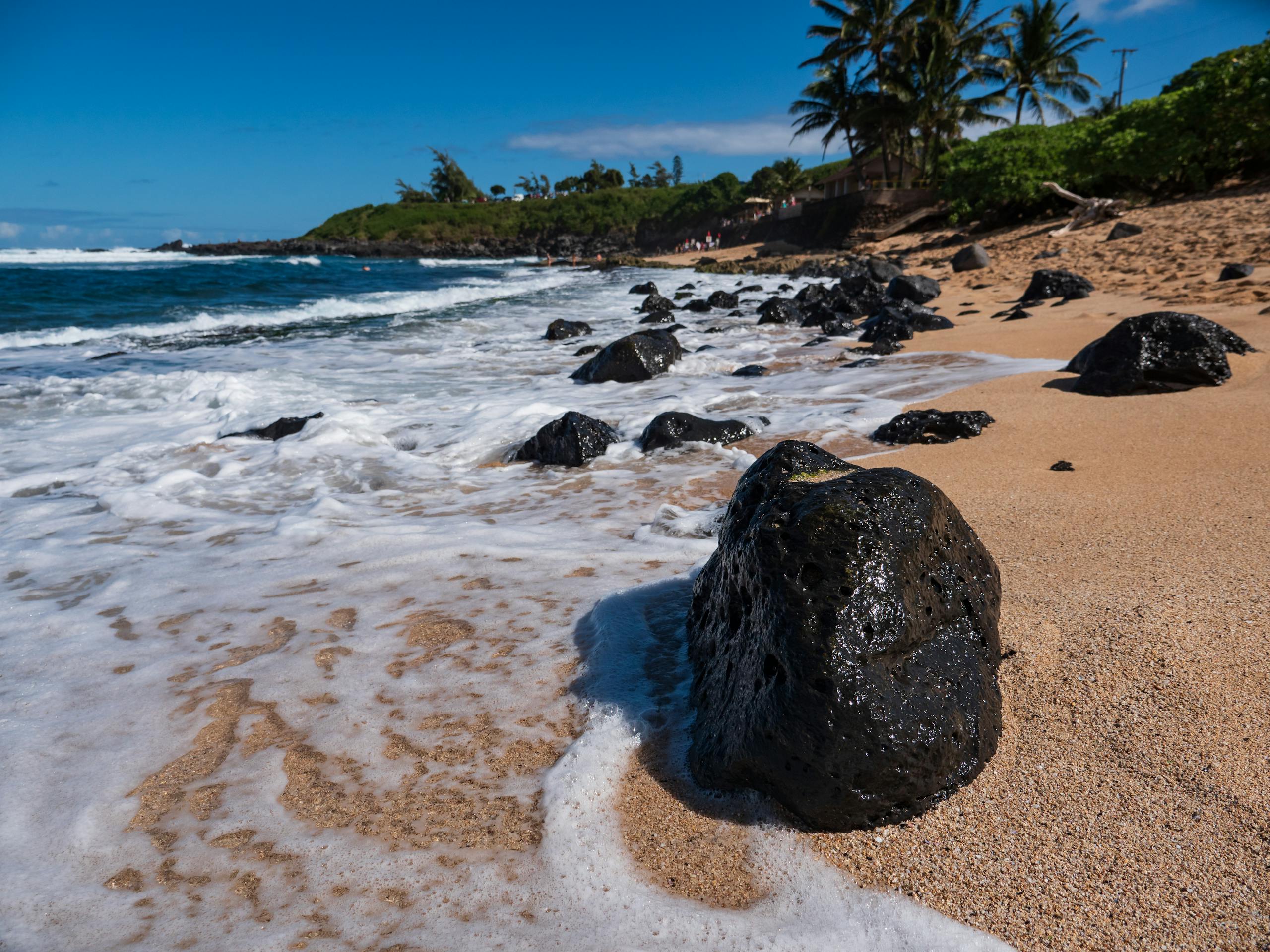
For most people today, tropical oceans are associated with warm waters, coral reefs, and vibrant marine life. From a scientific perspective, however, these regions are also known for having some of the lowest oxygen levels in the global ocean, forming what are called oxygen minimum zones or, in extreme cases, marine dead zones. What is surprising is that this has not always been the case. New research shows that ancient tropical oceans were once among the most oxygen-rich environments on Earth, playing a crucial role in the early evolution of complex life.
A recent study published in Nature Geoscience reveals that this dramatic reversal in ocean oxygen distribution happened hundreds of millions of years ago. By carefully analyzing ancient rocks and combining those findings with advanced Earth system models, researchers have pieced together when and why tropical seas shifted from oxygen oases to the oxygen-poor regions we recognize today.
A Completely Different Ancient Ocean
The study was led by Ruliang He, a former doctoral student at Syracuse University, together with his advisor Zunli Lu, a professor of Earth and environmental sciences. Their work focuses on the Proterozoic Eon, a vast stretch of Earth’s history that began around 2.5 billion years ago and ended about 539 million years ago. This era is especially important because it bridges the gap between a mostly microbial world and the rise of complex, multicellular life.
According to the research, during much of the Proterozoic Eon, oxygen levels in the ocean were not distributed the way they are today. Instead of cooler mid-latitude waters being richer in oxygen, the highest concentrations of dissolved oxygen were found near the equator. In other words, the tropics acted as localized oxygen-rich havens in an otherwise largely oxygen-poor global ocean.
This pattern is the exact opposite of what modern oceanography observes. Today, warm tropical waters naturally hold less dissolved oxygen, while cooler waters at higher latitudes can retain more. Add to this the effect of upwelling in the tropics—where nutrient-rich but oxygen-poor deep waters rise to the surface—and the result is widespread oxygen depletion in modern tropical oceans.
Reading Oxygen Levels From Ancient Rocks
One of the biggest challenges in studying ancient oceans is that no direct measurements exist. To get around this, the researchers turned to geochemical clues preserved in rocks that formed on ancient seafloors. The team compiled and analyzed an extensive dataset of marine sedimentary rocks spanning roughly the last 2 billion years.
Their key tool was the iodine-to-calcium (I/Ca) ratio preserved in carbonate rocks. This ratio works as a proxy for oxygen because iodine behaves differently depending on how much oxygen is present in seawater. Under oxygen-rich conditions, iodine exists in an oxidized form that becomes incorporated into carbonate minerals. Once those minerals are buried and preserved as rock, they effectively record the oxygen conditions of the ocean at the time they formed.
By comparing I/Ca ratios from rocks formed at different latitudes and ages, the researchers were able to reconstruct a global picture of how ocean oxygenation varied across the planet and through time. This approach goes beyond earlier studies that relied on isolated rock samples and instead provides insight into large-scale oxygen distribution patterns.
Why the Tropics Were Once Oxygen Oases
During the Proterozoic Eon, atmospheric oxygen levels were extremely low—far below modern levels. In such a low-oxygen world, biology played a dominant role in shaping where oxygen accumulated. Photosynthetic microorganisms, particularly cyanobacteria, thrived in sunlit surface waters and produced oxygen as a byproduct.
In tropical regions, where sunlight was most intense and consistent, photosynthesis outpaced oxygen consumption, allowing dissolved oxygen to build up locally. These oxygen-rich zones existed even while much of the deeper ocean and higher latitudes remained anoxic, meaning they lacked oxygen entirely.
The study shows that at this stage in Earth’s history, biology controlled the oxygen map of the ocean, not physics.
The Oxygen Threshold That Changed Everything
To understand how and why this reversed pattern disappeared, the research team collaborated with Alexandre Pohl, a paleoclimatologist at the French National Center for Scientific Research. Using Earth system models, they explored how rising atmospheric oxygen would affect ocean chemistry and circulation.
The models suggest that a critical turning point occurred when atmospheric oxygen rose to around 1 percent of present-day levels. Crossing this threshold fundamentally changed how oxygen was distributed in the oceans. Instead of being dominated by local biological production, oxygen levels became controlled by physical processes such as temperature-dependent solubility, ocean circulation, and mixing between surface and deep waters.
Once this happened, the ocean began to resemble the modern system, where warm waters hold less oxygen and cooler regions can store more. Tropical upwelling zones, which bring oxygen-poor deep water to the surface, further intensified oxygen depletion in equatorial regions.
Timing the Great Reversal
Based on available geological and geochemical evidence, the researchers estimate that this major transition occurred between about 570 and 500 million years ago. This timing is especially intriguing because it comes just before one of the most important events in the history of life: the Cambrian explosion.
During the Cambrian period, animal diversity increased dramatically, and marine ecosystems became far more complex. The study suggests that rising atmospheric oxygen and the resulting reorganization of ocean oxygenation expanded the habitats available to oxygen-dependent life, helping to set the stage for this evolutionary leap.
Why This Discovery Matters
Understanding when and where oxygen was available in ancient oceans helps scientists answer deeper questions about how Earth’s physical environment and life evolved together. Oxygen is not just a background condition—it directly affects which chemical reactions can occur and which organisms can survive.
This research highlights that oxygen availability is about more than just total concentration. Its spatial distribution across the planet can influence evolutionary pathways, ecosystem structure, and even global biogeochemical cycles.
Extra Context: Oxygen and Earth’s Long History
The findings also fit into a broader narrative of Earth’s oxygenation. The Great Oxidation Event, which occurred around 2.4 billion years ago, marked the first major rise in atmospheric oxygen. However, oxygen levels remained relatively low for a very long time afterward. Later, during the Neoproterozoic Oxygenation Event, oxygen levels rose again, bringing the planet closer to modern conditions.
The new study adds an important layer to this story by showing that changes in oxygen distribution, not just overall oxygen levels, played a key role in shaping Earth’s oceans and life.
Today, modern marine dead zones are often linked to climate change and nutrient pollution. While the causes are different, understanding how oxygen distribution has shifted naturally in the past provides valuable context for interpreting what is happening in today’s oceans.
Research paper:
https://www.nature.com/articles/s41561-025-01896-w