Astrocytes Found to Actively Support Spinal Cord Repair by Guiding the Immune System
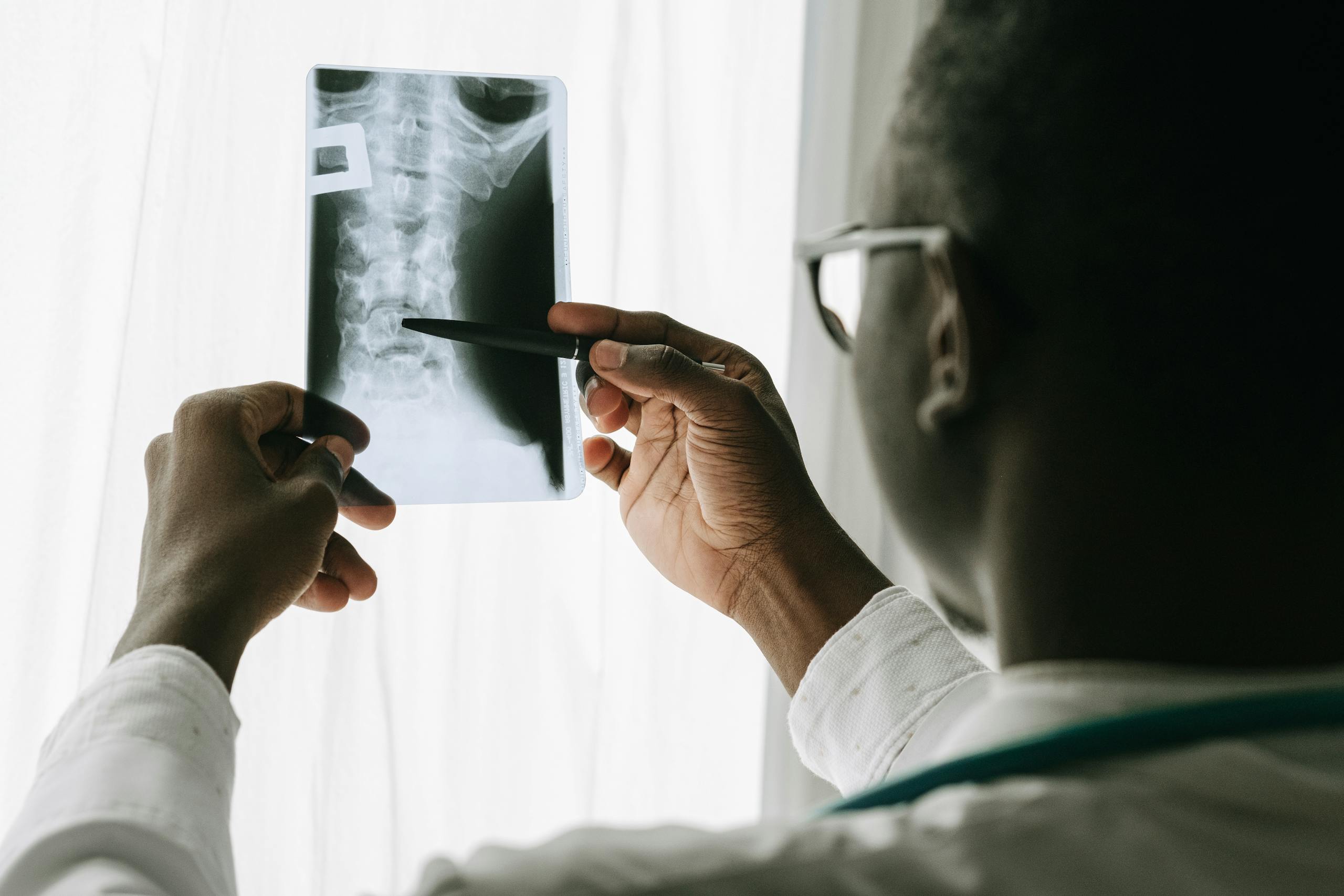
Scientists at Cedars-Sinai have uncovered a previously unknown healing mechanism in the spinal cord that could reshape how researchers think about recovery after neurological injuries. The discovery centers on astrocytes, a type of support cell in the brain and spinal cord, and shows that these cells play a far more active role in repair than previously believed. The findings, published in Nature, point toward new possibilities for treating spinal cord injuries, stroke, multiple sclerosis, and other disorders of the central nervous system.
Astrocytes have long been known as essential caretakers of the nervous system. They help regulate chemical balance, support neurons, and maintain communication pathways. However, this new research reveals that astrocytes can also coordinate immune responses over long distances, helping damaged spinal tissue heal more effectively.
A New Role for Astrocytes Beyond the Injury Site
One of the most striking aspects of the study is the discovery that astrocytes far away from the injury site play a direct role in recovery. These cells were named lesion-remote astrocytes, or LRAs, by the research team. Unlike cells that respond only at the immediate site of damage, LRAs detect injury signals from a distance and actively participate in the healing process.
This challenges the long-held belief that inflammation and repair in the spinal cord are largely confined to the area of trauma. Because spinal cord nerve fibers stretch across long distances, damage does not remain localized. Inflammation and tissue stress can extend far beyond the initial injury, and LRAs appear to be specially equipped to respond to this widespread disruption.
The researchers identified several distinct subtypes of LRAs, each with different characteristics. One subtype stood out for its ability to sense injury remotely and communicate directly with immune cells.
Understanding the Structure of the Spinal Cord
To appreciate why this discovery matters, it helps to understand how the spinal cord is organized. The spinal cord is made up of gray matter at its center and white matter surrounding it. Gray matter contains neuron cell bodies and support cells, including astrocytes. White matter consists largely of long nerve fibers that carry signals between the brain and the rest of the body, along with astrocytes that help maintain those fibers.
When spinal cord injury occurs, these nerve fibers can be severed. The damaged portions die off, leaving behind fatty debris that must be cleared before repair can begin. If this debris is not properly removed, it can trigger prolonged inflammation and block healing.
Astrocytes and Microglia Working Together
The study revealed that one subtype of lesion-remote astrocytes releases a signaling protein called CCN1. This protein plays a key role in communicating with microglia, the immune cells responsible for cleanup in the central nervous system.
Microglia are often described as the nervous system’s garbage collectors. After injury, they engulf debris from damaged nerve fibers. However, this debris is rich in fats, and digesting it places heavy metabolic demands on microglia.
CCN1 helps solve this problem. When astrocytes release CCN1, it signals microglia to adjust their metabolism, allowing them to process and digest fatty debris more efficiently. This improved digestion reduces inflammation and supports healthier tissue repair.
Without CCN1, the researchers found that microglia still engulf debris but struggle to break it down. As a result, debris-filled microglia accumulate, attract additional immune cells, and create large inflammatory clusters along the spinal cord. This excessive inflammation significantly impairs recovery.
Evidence from Animal Models and Human Tissue
The research team studied spinal cord injuries in laboratory mice and observed that lesion-remote astrocytes were essential for proper healing. When astrocyte-derived CCN1 was removed, recovery outcomes worsened dramatically.
Importantly, the scientists also found strong evidence of the same mechanism in human tissue samples. Spinal cord samples from patients with spinal cord injury showed similar astrocyte behavior and immune signaling patterns. This strengthens the case that the findings are not limited to animal models and are likely relevant to human health.
The same CCN1-driven process was also observed in spinal cord tissue from patients with multiple sclerosis, a disease characterized by chronic inflammation and damage to white matter. This suggests that the role of lesion-remote astrocytes may extend beyond traumatic injuries to include inflammatory and degenerative neurological diseases.
Why Debris Clearance Matters for Recovery
Efficient debris removal is a critical step in nervous system repair. When damaged nerve fibers break down, they leave behind materials that block regrowth and sustain inflammation. Clearing this debris creates a more supportive environment for surviving neurons and may allow some level of spontaneous recovery.
The researchers believe that the CCN1 pathway may help explain why partial recovery occurs in many patients after spinal cord injury. When astrocytes and microglia communicate effectively, inflammation is controlled, and tissue repair proceeds more smoothly. When this signaling breaks down, inflammation spreads and healing stalls.
Broader Implications for Brain and Spinal Cord Disorders
While the study focused on spinal cord injury, the underlying principles may apply to any injury of the brain or spinal cord. Astrocytes are present throughout the central nervous system, and similar long-distance signaling mechanisms may exist in conditions such as stroke, traumatic brain injury, and neurodegenerative diseases.
Researchers involved in the study emphasized that astrocytes have been remarkably understudied compared to neurons. This work highlights their potential as powerful regulators of inflammation and repair rather than passive support cells.
Future Directions and Therapeutic Potential
The discovery of lesion-remote astrocytes and their use of CCN1 opens new doors for therapy. Instead of focusing solely on suppressing inflammation, future treatments could aim to fine-tune immune responses, helping microglia clear debris efficiently without triggering excessive inflammation.
Scientists are now exploring ways to harness or mimic the CCN1 signaling pathway. If successful, such approaches could enhance recovery after spinal cord injury and possibly slow progression in inflammatory neurodegenerative diseases. Researchers are also investigating whether aging affects astrocyte signaling and whether restoring these pathways could improve outcomes in older patients.
What This Discovery Changes
This research reshapes how scientists think about healing in the central nervous system. It shows that repair is not only a local process but also a coordinated, long-distance response involving specialized astrocytes and immune cells. By revealing how astrocytes actively guide immune behavior, the study offers a clearer picture of how the nervous system attempts to heal itself after injury.
As research continues, lesion-remote astrocytes may become a central focus in efforts to promote meaningful neurological recovery and reduce chronic inflammation in both injury and disease.
Research paper reference:
https://www.nature.com/articles/s41586-025-09887-y