Astrocytes Show Surprising Ability to Clear Existing Amyloid Plaques and Protect Memory in Alzheimer’s Mouse Models
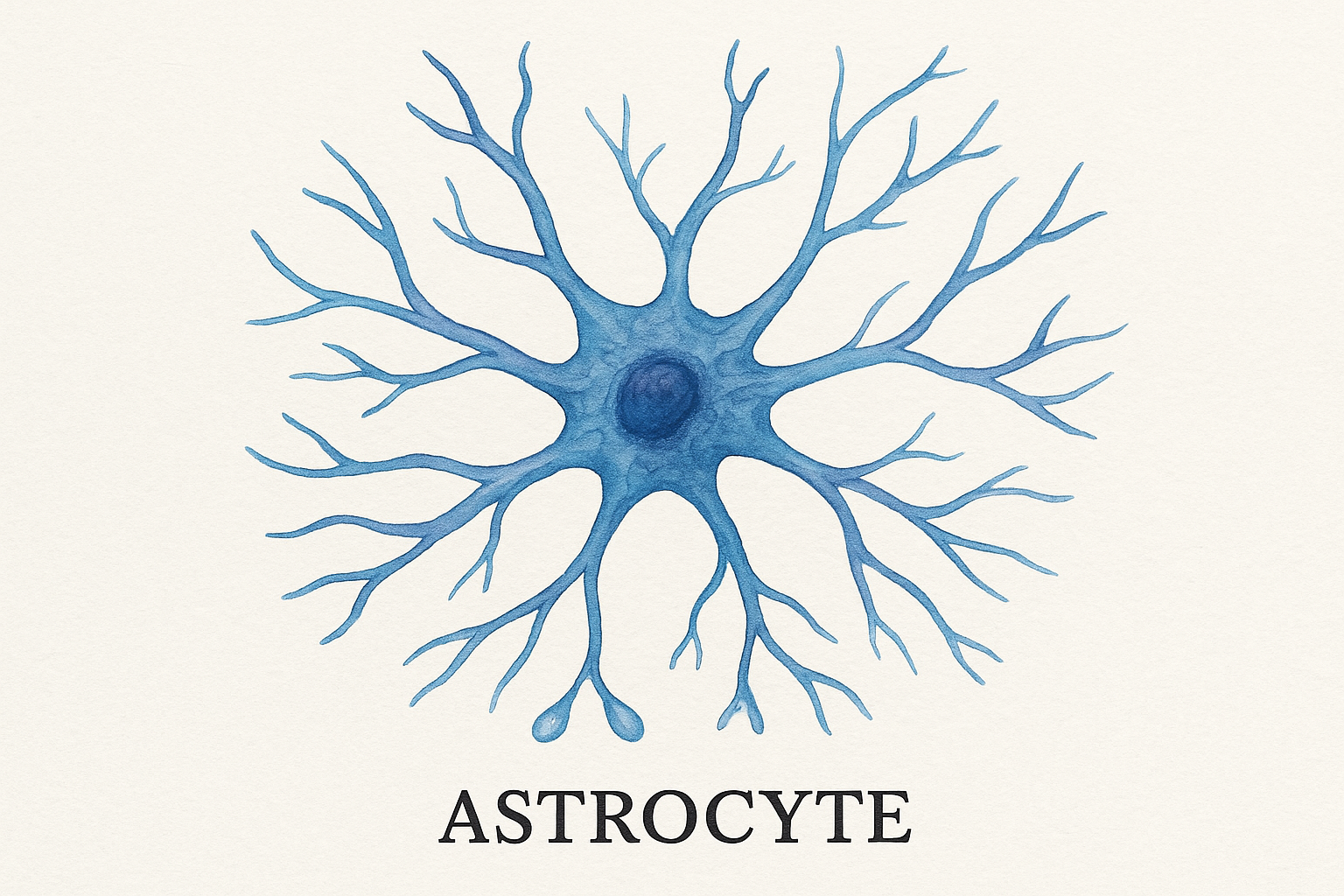
Researchers from Baylor College of Medicine have uncovered a natural mechanism in the brain that could reshape how we think about Alzheimer’s disease treatments. Their work shows that astrocytes, the star-shaped support cells often overshadowed by neurons, possess the ability to clear already-formed amyloid plaques and preserve cognitive function in mouse models of Alzheimer’s. This is a significant step because most existing treatments try to prevent plaque formation rather than remove what’s already there.
In this new study, the researchers focused on a protein called Sox9, which plays a crucial regulatory role in astrocyte function during aging. They discovered that increasing Sox9 levels can boost how effectively astrocytes clean up toxic amyloid-beta (Aβ) plaques, the sticky protein deposits widely associated with Alzheimer’s disease. The work was published in Nature Neuroscience, and the findings could lead to entirely new therapeutic strategies centered on empowering the brain’s natural cleanup crew.
Understanding Astrocytes and Why They Matter Here
Astrocytes perform many essential tasks in the brain, including maintaining communication between neurons, regulating energy use, and supporting memory processes. As brains age, astrocytes undergo major functional changes. What these changes mean for neurodegenerative diseases, however, has remained a major question. This study takes a direct approach by examining how aging-related changes in astrocytes relate to Alzheimer’s disease progression.
Sox9 became a key target because it regulates many genes involved in astrocyte aging. By manipulating Sox9 expression in mouse models, the researchers were able to observe how these changes influenced the cells’ ability to process and remove amyloid plaques.
How the Study Was Designed
One important detail is that the researchers used Alzheimer’s mouse models that had already developed amyloid plaques and cognitive impairment. Many studies intervene before plaque formation, which is less reflective of the clinical reality where patients typically seek help after symptoms appear. By choosing this more realistic model, the scientists could test whether altering Sox9 expression meaningfully improves existing pathology and cognitive decline.
They either increased or eliminated Sox9 expression in astrocytes, then measured several outcomes over a six-month period:
- The animals’ ability to recognize objects and locations
- Changes in amyloid plaque deposition
- How astrocyte structure and activity were altered
These behavioral and biological assessments provided a comprehensive picture of how Sox9 levels influence disease progression.
What Happened When Sox9 Was Reduced
When Sox9 expression was lowered, the researchers observed several negative outcomes:
- Faster accumulation of amyloid plaques
- Reduced astrocyte complexity, meaning the cells became structurally simpler and less capable
- Decreased clearance of Aβ deposits, showing that astrocytes had a harder time digesting plaque material
This suggests that Sox9 is crucial for maintaining the astrocytes’ natural ability to clean up harmful proteins.
What Happened When Sox9 Was Increased
The opposite effects occurred when Sox9 levels were artificially increased:
- Astrocytes ingested more amyloid plaques and cleared them more efficiently
- The cells became more complex and active
- Amyloid plaque burden decreased rather than increased
- Most notably, cognitive function was preserved in the Alzheimer’s mouse models
This means the mice maintained better memory and object recognition abilities compared to those with reduced Sox9 expression.
The researchers likened the process to turning astrocytes into a “vacuum cleaner,” boosting their ability to clean the toxic buildup associated with neurodegeneration.
Why These Findings Are Important
The implications of these results are broad and promising. Many Alzheimer’s treatments have targeted neurons or attempted to stop plaque formation, but removing existing plaques is far more challenging. This study shows that the brain already has a built-in defense system that could be harnessed in future therapies.
If a way can be found to safely enhance Sox9 activity in human astrocytes, it might help slow or even halt cognitive decline in patients who already show symptoms. While this is still far from being clinically applicable, the mechanism itself is now much better understood.
Limitations to Keep in Mind
Despite the hopeful results, there are several limitations:
- Mouse brains differ significantly from human brains
- Long-term overexpression of a regulatory protein like Sox9 could have unintended consequences
- Human astrocytes age differently, so the same effects may not occur
- Delivering gene-modifying treatments safely is still a major challenge
These uncertainties mean more research is needed before considering human trials.
Additional Background: What Amyloid Plaques Are and Why They Matter
Amyloid-beta plaques are clumps of misfolded protein fragments that accumulate between neurons. For decades, they have been the central focus of Alzheimer’s disease research. Plaques disrupt communication between neurons, trigger inflammation, and are associated with memory loss and cognitive decline.
Traditional treatments have tried to reduce how much amyloid-beta the brain produces. However, once plaques form, they can be difficult to remove. The body’s immune-like cells—including astrocytes and microglia—can digest some plaques, but efficiency drops with age and disease progression.
This makes the discovery that boosting Sox9 revives astrocytes’ ability to clear plaques especially noteworthy.
More About Astrocytes and Their Role in Brain Health
Astrocytes are often overlooked in discussions about brain function, but they are absolutely essential. Their major roles include:
- Maintaining the blood-brain barrier
- Regulating neurotransmitter levels
- Supporting metabolic needs of neurons
- Clearing debris and toxic proteins
- Helping form and prune synapses
In Alzheimer’s disease, astrocytes often become reactive, shifting into a state that can be protective or harmful depending on context. This study offers evidence that properly regulating astrocyte behavior—rather than suppressing it—could be beneficial.
What This Could Mean for Future Treatments
There is growing recognition that effective Alzheimer’s therapies may need to:
- Target multiple cell types, not just neurons
- Reduce existing pathology, not only prevent new plaque formation
- Restore natural cellular functions rather than replacing them artificially
This research aligns perfectly with that shift in perspective. Instead of relying solely on external antibodies or drugs to clear plaques, scientists may eventually learn how to activate the brain’s own cleanup systems.
Final Thoughts
This study highlights a powerful and previously underappreciated capability within the brain. By increasing Sox9 levels, astrocytes can become efficient cleaners of amyloid plaques while preserving cognitive function. Although much more work is needed to determine whether the same process can be safely activated in humans, this discovery opens a promising door to new Alzheimer’s treatments. It underscores the importance of looking beyond neurons and exploring the full diversity of brain cell types involved in neurodegeneration.
Research Paper:
Astrocytic Sox9 overexpression in Alzheimer’s disease mouse models promotes Aβ plaque phagocytosis and preserves cognitive function