California’s New Thirdhand Smoke Disclosure Law Brings Hidden Tobacco Risks Into the Open
For decades, public health messaging has focused on the dangers of smoking and secondhand smoke. But there is another, far less visible threat that scientists have been warning about for years: thirdhand smoke. This lingering residue from tobacco and vaping is now at the center of a major public health and housing policy shift in California, following the passage of Assembly Bill 455 (AB 455)—the first law of its kind anywhere in the world.
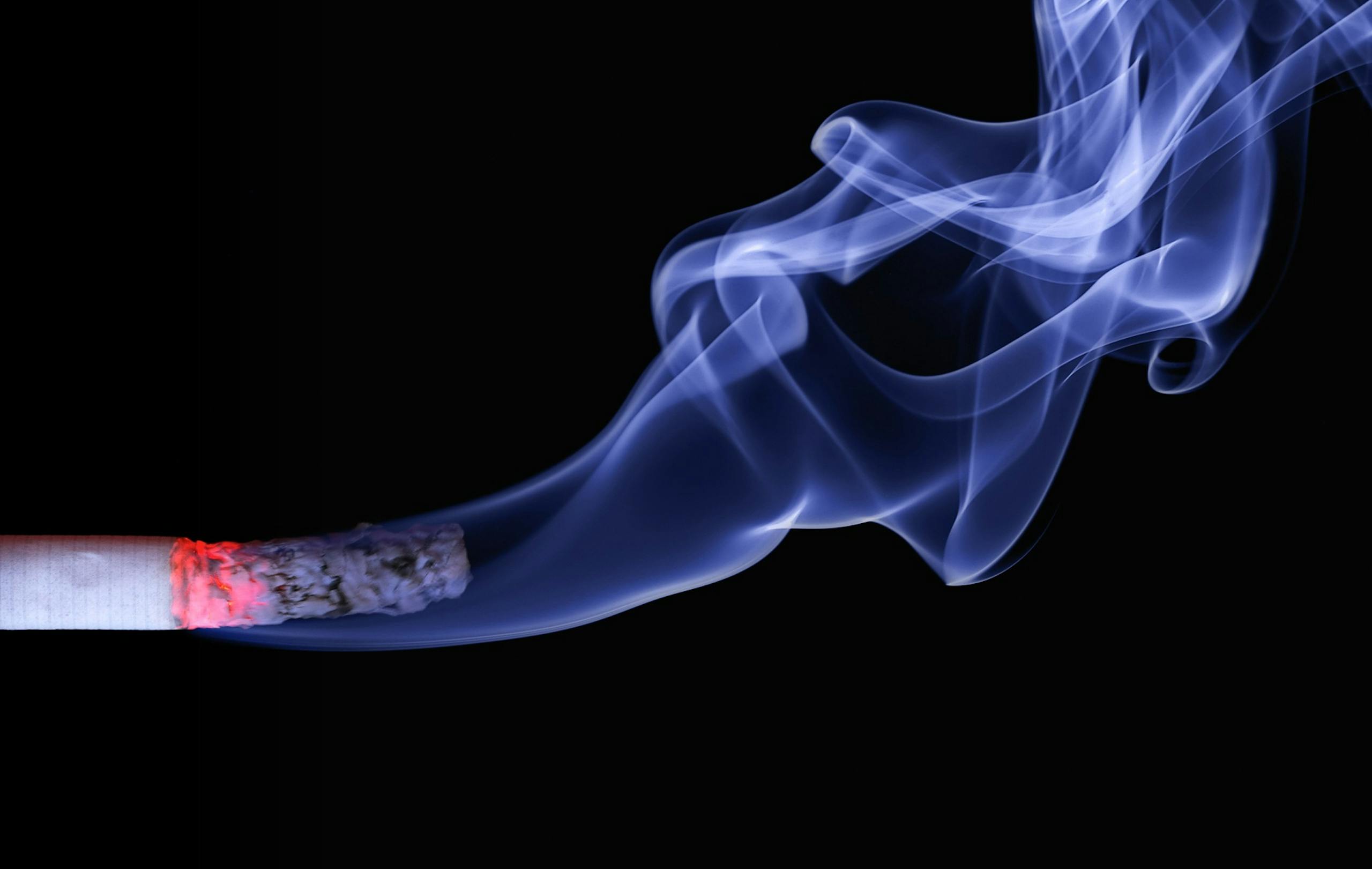
Thirdhand smoke refers to the toxic chemicals left behind after smoking or vaping, which cling to surfaces long after the smoke itself has cleared. These residues embed themselves in carpets, furniture, wallboards, curtains, clothing, and household dust, and they can persist for years, sometimes even decades. Unlike secondhand smoke, which is visible and smells strongly, thirdhand smoke is often invisible and unnoticed, making it particularly concerning.
The science behind thirdhand smoke has been led by researchers at the University of California, San Francisco (UCSF), working through the California Thirdhand Smoke Research Consortium. This group also includes experts from San Diego State University and Lawrence Berkeley National Laboratory. Their findings have now directly influenced California law, turning years of laboratory and epidemiological research into concrete consumer protections.
What AB 455 Actually Does
Under AB 455, thirdhand smoke is formally defined as an environmental hazard, placing it in the same category as lead, radon, and asbestos. Starting January 1, 2026, sellers of residential property in California must disclose thirdhand smoke contamination if they have personal knowledge that smoking or vaping occurred in the home.
This disclosure requirement applies during real estate transactions and is designed to ensure that buyers are not unknowingly exposed to residual tobacco toxins embedded in their future living space. Importantly, the law does not require testing or inspection by default. Instead, it relies on honest disclosure based on the seller’s knowledge, similar to how other environmental hazards are handled.
In addition to disclosure rules, AB 455 mandates consumer education. Thirdhand smoke will be added to California’s official Homeowner’s Guide to Environmental Hazards, a widely used resource that informs buyers and renters about potential risks in residential properties.
Why Researchers Are Concerned About Thirdhand Smoke
Thirdhand smoke is not just leftover odor. It is a complex mixture of toxic and carcinogenic chemicals that originate from tobacco smoke and vaping aerosols. According to researchers, at least 26 chemicals found in thirdhand smoke are classified by the State of California as substances that can cause cancer, birth defects, or reproductive harm.
These chemicals can re-enter the air, be absorbed through the skin, or be ingested through contaminated dust. This makes exposure possible even in homes where smoking stopped long ago.
One of the biggest concerns is exposure among children. Young children crawl on floors, touch contaminated surfaces, and frequently put their hands or objects into their mouths. Their developing bodies also absorb chemicals more readily through the skin. Researchers emphasize that children living in previously smoked-in homes may face ongoing exposure without anyone realizing it.
Other high-risk groups include people with asthma or allergies, whose symptoms can worsen due to chemical emissions from contaminated surfaces, as well as immunocompromised individuals and older adults. The problem is particularly severe in multi-unit, low-cost housing, where smoking in one unit can contaminate neighboring units and persist long after a smoker moves out.
What Science Says About Health Effects
Separating the risks of thirdhand smoke from secondhand smoke is challenging, because people exposed to one are often exposed to the other. However, laboratory studies provide strong warnings.
In animal studies, exposure to thirdhand smoke has been shown to cause DNA damage, promote or contribute to cancer development, disrupt the immune system, and lead to behavioral changes. Human studies, while still emerging, have found that people exposed to thirdhand smoke show changes in blood proteins linked to inflammation and heart disease.
These findings formed the scientific backbone for AB 455 and were recently summarized in a peer-reviewed paper published in the Journal of the American Medical Association (JAMA). The authors argue that thirdhand smoke represents a long-term, involuntary exposure that deserves the same regulatory attention as other well-known environmental hazards.
Why This Law Is Considered Groundbreaking
AB 455 is widely viewed as a global first. No other jurisdiction has previously required disclosure of thirdhand smoke contamination during real estate transactions. Public health experts see this as a major step toward recognizing that tobacco-related harm does not end when smoking stops.
The law also reflects a broader shift in tobacco control policy—from focusing only on individual behavior to addressing environmental and structural exposure. By embedding thirdhand smoke into housing regulations, California is signaling that residual tobacco pollution is not just a lifestyle issue, but a public health and consumer rights issue.
Researchers hope the law will also encourage smoke-free indoor policies and motivate property owners to remediate contaminated spaces before selling or renting them.
What Can Be Done to Reduce Thirdhand Smoke Exposure
The level of remediation needed depends on how heavily a space was contaminated. In mild cases, thorough cleaning of surfaces, washing walls, and deep-cleaning carpets and upholstery may help reduce exposure.
In more heavily contaminated homes, researchers recommend removing carpets, furniture, and other absorbent materials altogether. In extreme cases, full remediation may require remodeling, including the removal of wallboards, insulation, and heating or air-conditioning systems that have absorbed smoke residues.
Over time, contamination levels do decrease, especially in homes where no one has smoked for years. However, experts caution that residues may never fully disappear, particularly from porous materials like wallboard.
For residents who are concerned but unsure about their home’s history, indoor surface sampling is an option. In California, the Thirdhand Smoke Resource Center at San Diego State University offers educational materials, frequently asked questions, and even free sampling kits for qualifying residents.
What Comes Next
While AB 455 focuses on property sales, researchers emphasize that multi-unit housing remains a major unresolved issue. In many cases, nonsmokers move into apartments previously occupied by smokers without any warning or remediation. Future legislation may address disclosure or cleanup requirements in rental housing as well.
There is also hope that other U.S. states and countries will follow California’s lead, adopting similar laws that recognize thirdhand smoke as a legitimate environmental hazard. Public health experts see this as part of a broader effort to reduce tobacco-related harm and move closer to what some call the tobacco endgame—a future where exposure to tobacco toxins is no longer normalized or hidden.
As awareness grows, thirdhand smoke is no longer just a scientific concept discussed in journals. It is now a regulated risk, firmly on the radar of policymakers, researchers, and homebuyers alike.
Research paper reference:
https://jamanetwork.com/journals/jama/fullarticle/2841708