Electric Cars Won’t Fix Sitting and the Hidden Health Costs of Car-Centric Cities
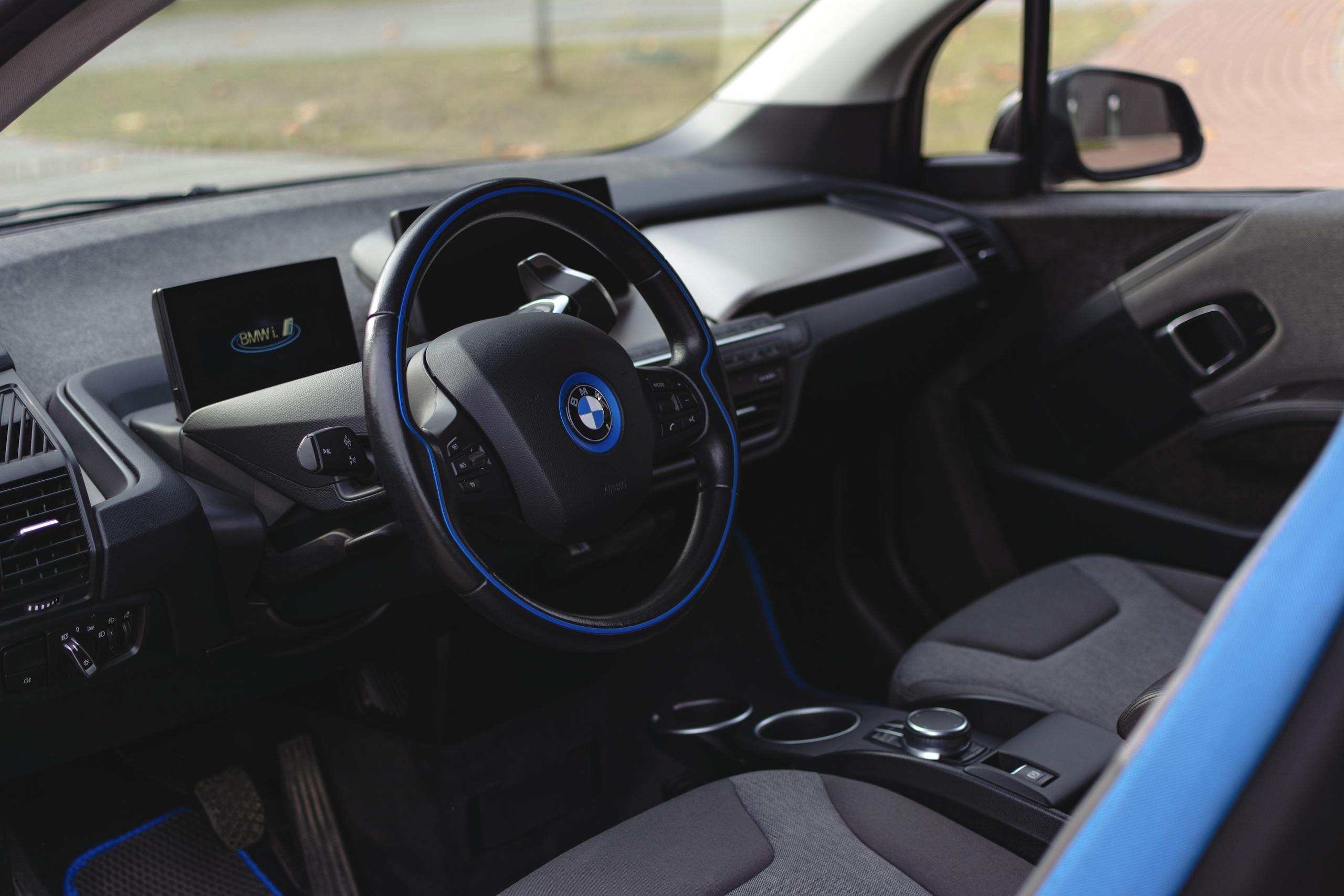
Electric cars are often presented as a silver bullet for cleaner, healthier cities. They reduce tailpipe emissions, lower noise levels, and play a clear role in tackling climate change. But a growing body of public health research makes one thing very clear: switching to electric vehicles does not fix the health problems created by car-dependent lifestyles. Sitting in traffic is still sitting, no matter what powers the car.
This idea sits at the center of recent work by urban planner Lawrence D. Frank of the University of California, San Diego, who has spent more than two decades studying how the design of cities shapes everyday behavior and long-term health. His latest commentary revisits a landmark study from the early 2000s and places it in today’s context of electric vehicles, smart cars, and ongoing urban sprawl.
How Car Time Became a Public Health Issue
Back in 2004, Frank helped publish one of the first large-scale studies to directly connect time spent in cars with obesity risk. The research, conducted as part of the SMARTRAQ (Strategies for Metropolitan Atlanta’s Transportation and Air Quality) project, combined GPS-based travel data with health and demographic information. At the time, this approach was groundbreaking.
The results were simple but striking. For every additional hour per day spent in a car, the likelihood of being obese increased by 6%. In contrast, every kilometer walked reduced that likelihood by roughly 5%. These findings reframed car travel as a form of sedentary behavior, similar in health impact to prolonged sitting at a desk.
The study received widespread media attention and played a major role in shifting how planners, public health experts, and policymakers thought about transportation. Driving was no longer just a mobility issue. It was a health exposure.
Why Electric Vehicles Don’t Change the Equation
Fast forward 20 years, and the transportation landscape looks very different. Electric vehicles are becoming mainstream, air quality has improved in many cities, and advanced vehicle technology is often promoted as progress toward healthier living.
Frank’s new commentary, published in the American Journal of Preventive Medicine, argues that this progress is incomplete. While cleaner cars reduce pollution-related illnesses, they do nothing to reduce the amount of time people spend sitting. The metabolic and cardiovascular effects of prolonged sitting remain unchanged.
From a health perspective, an hour spent in an electric car carries the same risks as an hour spent in a gasoline-powered one. The problem is not the engine. The problem is designing cities where driving is the default option for nearly every daily activity.
The Built Environment and Chronic Disease
Over the past two decades, research from around the world has consistently confirmed the links between urban design, physical activity, and chronic disease. Frank and his co-author Jacob Carson, a public health doctoral researcher, reviewed this evidence in their commentary.
Their conclusion is that car-oriented environments contribute not only to obesity, but also to heart disease, type 2 diabetes, and declining mental health. Long commutes reduce time for physical activity, increase stress, and crowd out opportunities for social interaction.
Most people, the research shows, do not compensate for long hours of driving by exercising more in their free time. The structure of daily life matters more than individual motivation. If movement is not built into routines, it usually does not happen.
Walkability as a Measurable Health Factor
One of the lasting impacts of Frank’s early work is the idea that walkability can be measured, compared, and improved. This thinking helped shape tools like Walk Score, which many people now use to evaluate neighborhoods based on access to shops, schools, parks, and transit.
Walkable communities tend to support incidental physical activity—short walks to stores, transit stops, or nearby services that add up over time. These small movements are especially important for older adults, who may not engage in structured exercise but benefit greatly from regular walking.
Street-Level Design Makes a Real Difference
In addition to his commentary, Frank is also involved in a related study published in the journal Cities, which zooms in on the street-level features that influence physical activity. The research shows that details such as sidewalk quality, tree cover, shade, benches, and safe street crossings have measurable effects on how much people move.
These features matter even more for older adults, who are sensitive to heat, uneven surfaces, and long distances without places to rest. When streets feel unsafe or uncomfortable, people stay indoors. When they feel welcoming, walking becomes a realistic option.
Importantly, these improvements are relatively low-cost compared to large infrastructure projects. Small design changes can deliver significant public health returns.
Transportation Budgets and Invisible Health Costs
Despite decades of evidence, most transportation planning still focuses on traffic flow, travel time, and vehicle emissions, while largely ignoring health outcomes. Frank argues that if the health costs of car dependence were fully accounted for, investments in walking, cycling, and transit would be far easier to justify.
To help address this gap, Frank and his collaborators, including his firm Urban Design 4 Health, have developed the National Public Health Assessment Model. This tool allows cities to evaluate transportation projects using health-based cost-benefit analyses, similar to how congestion or emissions are assessed.
The goal is to make health impacts visible in policy decisions that have long treated them as secondary concerns.
Why Equity Matters in Active Transportation
Another key finding across this research is that low-income neighborhoods often stand to gain the most from improvements in walkability and active transportation. These areas frequently experience higher rates of chronic disease and fewer safe options for walking or cycling.
Targeted investments in sidewalks, crossings, shade, and transit access can reduce health disparities while improving quality of life. These are changes that cities can implement now, without waiting for massive funding packages or major political battles.
Beyond Electric Cars: Designing for Daily Movement
Electric vehicles remain an important tool for reducing pollution and carbon emissions. But public health research makes it clear that technology alone cannot fix behavior shaped by urban design. Cities that prioritize cars—electric or otherwise—encourage sitting, isolation, and inactivity.
Healthier cities are those that make walking, cycling, and transit the easiest choices, not the hardest ones. Every mile walked instead of driven matters, not just for the environment, but for bodies, minds, and healthcare systems.
The evidence is no longer new. What remains is the challenge of turning that knowledge into everyday planning decisions.
Research References
Obesity, Sprawl, and Time Spent in Cars Revisited: Converging Public Health and Transportation Policy – American Journal of Preventive Medicine
https://doi.org/10.1016/j.amepre.2025.107993
Re-thinking walkability: Synergizing the pedestrian environment and land use patterns to promote physical activity in older adults – Cities
https://doi.org/10.1016/j.cities.2025.106325