First Confirmed Fatality From Tick-Triggered Meat Allergy Raises New Questions About Alpha-Gal Syndrome
The first documented death linked to the unusual “meat allergy” caused by tick bites has been confirmed by researchers at the University of Virginia School of Medicine, and the case is drawing major attention from doctors, scientists, and anyone living in tick-heavy regions of the United States. The condition, formally known as Alpha-gal Syndrome (AGS), has been on the rise for years, but until now, no fatal cases had been officially identified. This report changes that and highlights how complex and potentially dangerous the allergy can be.
A healthy 47-year-old man from New Jersey died after what now appears to have been a severe allergic reaction to mammalian meat—specifically beef—triggered several hours after consumption. This delayed reaction is one of the hallmark complexities of Alpha-gal Syndrome, making it difficult for both patients and medical professionals to connect symptoms to the actual cause.
Below is a straightforward breakdown of everything that happened, what scientists discovered, why this case matters, and what people should know about ticks and this unusual allergy.
The Case of the New Jersey Man: What Happened
The man, whose name has not been released, had gone camping with his wife and children in the summer of 2024. During the trip, the family ate a late steak dinner at around 10 p.m. That night at 2 a.m., the man woke up with intense abdominal pain, vomiting, and diarrhea. By morning he had recovered, though he later said he had genuinely felt like he was about to die during the episode.
Crucially, still unaware of any underlying allergy, he resumed his normal routine.
Two weeks later, during a backyard barbecue, the man ate a hamburger around early evening. Not long after 7 p.m., he began experiencing symptoms that appeared consistent with the earlier episode, though no one at the time suspected a severe allergic reaction. At 7:37 p.m., his son discovered him collapsed on the bathroom floor, and he was pronounced dead later that night.
An initial autopsy could not determine a definitive cause, listing the fatality simply as a “sudden unexplained death.” This lack of clarity prompted his wife to seek further review out of concern that something had been overlooked.
How Researchers Identified Alpha-Gal Syndrome as the Cause
A physician reviewing the case contacted Dr. Thomas Platts-Mills, an allergist at UVA Health and the scientist who originally discovered the link between tick bites and Alpha-gal sensitivity years ago. His team obtained post-mortem blood samples from the deceased man.
Testing revealed that the man had been strongly sensitized to alpha-gal, a carbohydrate found in mammalian meat such as beef, pork, and lamb. More importantly, his blood contained biochemical indicators consistent with extreme anaphylaxis, the most severe type of allergic reaction and one that can be fatal if not treated promptly.
His wife mentioned that although he had no tick bites that year, he did have 12 or 13 “chigger bites” around his ankles during the summer. Platts-Mills explained that many bites people casually label as “chiggers” in the Eastern U.S. are actually larval Lone Star ticks, which are fully capable of triggering Alpha-gal sensitization.
Additional factors may have intensified the reaction—such as the man having a beer with his burger, exposure to ragweed pollen, and exercise earlier that day. These are known “co-factors” that, in some individuals, can worsen food-allergy symptoms.
Another notable detail: the man’s family reported that he ate red meat very sparingly. People who consume meat infrequently may have weaker tolerance levels, meaning that when a reaction occurs, it can be more severe.
This combination of evidence allowed researchers to confidently conclude that a fatal anaphylactic reaction to Alpha-gal was the cause of death—making this the first officially documented case.
What Is Alpha-Gal Syndrome?
Alpha-gal Syndrome is an allergic condition caused by a sugar molecule called galactose-α-1,3-galactose—commonly shortened to alpha-gal. When a tick such as the Lone Star tick bites a person, it can introduce alpha-gal into the body. For reasons still under study, some individuals’ immune systems become sensitized to it, producing IgE antibodies that trigger reactions when they later consume mammalian meat.
Key facts:
- AGS reactions are delayed, usually occurring 3–6 hours after eating meat.
- Symptoms range from rash and hives to nausea, vomiting, abdominal pain, and diarrhea.
- Severe cases can cause anaphylaxis, trouble breathing, low blood pressure, and—in this case—death.
- There is currently no cure; the condition is managed through strict dietary avoidance.
Because reactions occur so many hours after eating, patients often fail to connect the dots, which makes AGS drastically different from typical food allergies, where reactions happen within minutes.
Why This Case Matters
This is the first confirmed fatality, but researchers believe there may have been deaths in the past that were simply not recognized as AGS-related. Until recently, many health professionals weren’t aware of the syndrome, and its delayed symptoms made it even harder to identify as an allergy.
Now, with this case documented in a peer-reviewed journal, doctors may be more alert to the possibility that unexplained gastrointestinal episodes—especially several hours after eating meat—might be linked to AGS.
Another growing concern is the rapid expansion of the Lone Star tick population, driven partly by environmental changes and thriving deer populations, which serve as hosts. As ticks spread into new regions, more people are potentially at risk.
Platts-Mills emphasized that episodes of severe abdominal pain occurring hours after eating beef, pork, or lamb should be taken seriously and evaluated for possible Alpha-gal sensitivity.
Understanding the Lone Star Tick
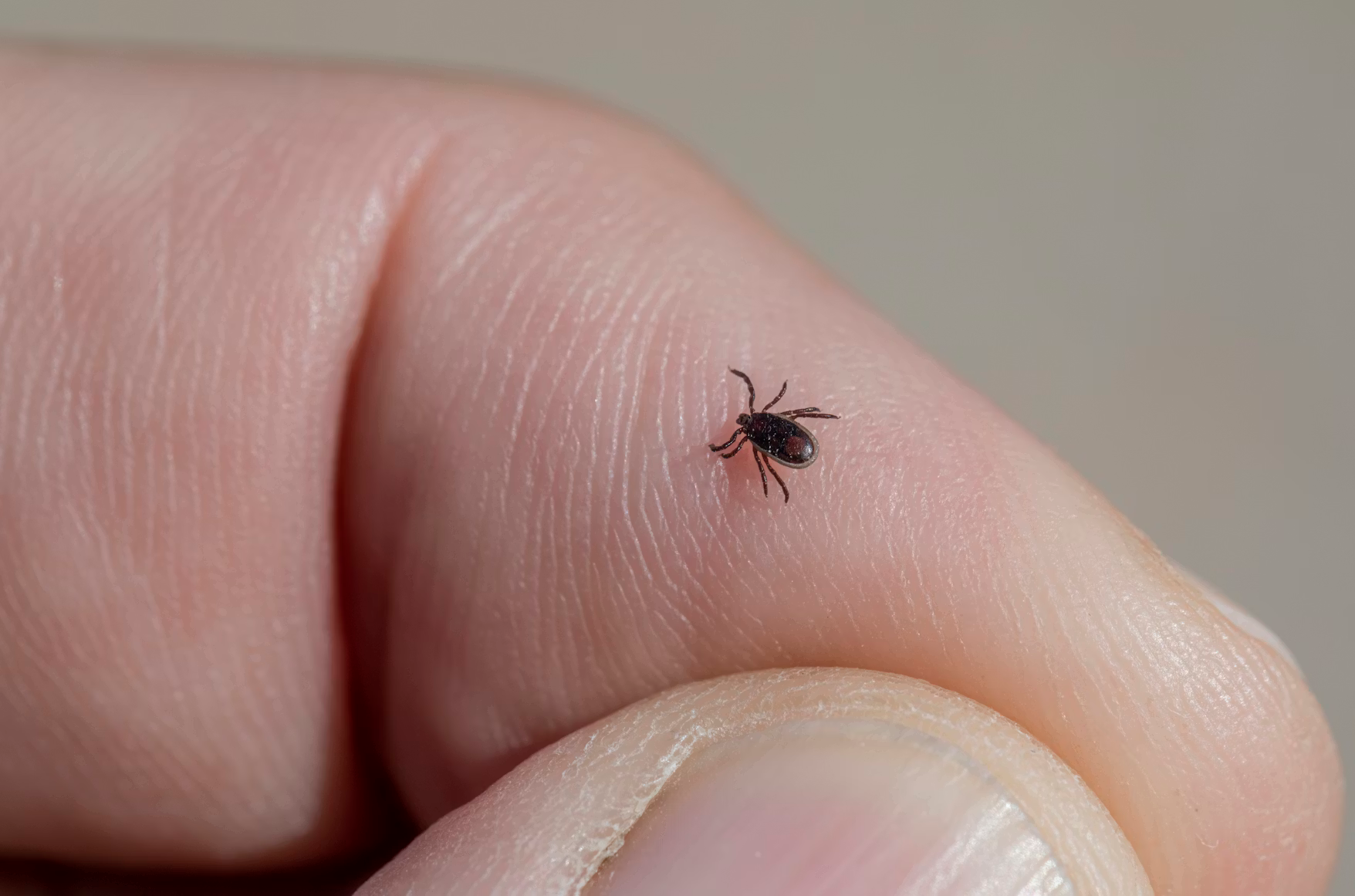
The Lone Star tick (Amblyomma americanum) is the primary species associated with AGS in the United States. Its habitat has expanded dramatically across the Midwest, East Coast, and Southern states.
Characteristics of the Lone Star tick:
- Females have a distinctive white dot on their backs.
- Tick larvae, sometimes mistaken for chiggers, can also cause sensitization.
- They are highly aggressive feeders and will actively pursue humans.
- They thrive in wooded or brushy areas with abundant wildlife.
Avoiding tick bites is currently the only method of preventing Alpha-gal Syndrome.
How to Reduce Your Risk
Since there is no cure for AGS, prevention is essential. Recommendations include:
- Using EPA-approved insect repellents like DEET or picaridin.
- Wearing long clothing and tucking pants into socks when in grassy or wooded areas.
- Performing full-body tick checks after outdoor activities.
- Showering promptly after returning indoors.
- Keeping yards trimmed and reducing leaf litter where ticks can hide.
People living in or traveling through areas where Lone Star ticks are common should be especially cautious.
Why Doctors Should Pay Attention
This case highlights the need for broader awareness among healthcare providers. Many patients with AGS present with gastrointestinal-only symptoms, which are easily misdiagnosed as food poisoning or viral illness. Others experience recurring unexplained episodes before finally receiving a diagnosis.
Physicians are now being urged to consider Alpha-gal testing when patients report:
- Severe abdominal pain hours after eating red meat
- Reactions that seem random or hard to trace
- Histories of tick bites or frequent outdoor activity
The hope is that with better recognition, severe outcomes like the one in this case can be prevented.
Research Reference
“Implications of a fatal anaphylactic reaction occurring 4 hours after eating beef in a young man with IgE antibodies to galactose-α-1,3-galactose”
Journal of Allergy and Clinical Immunology: In Practice
https://doi.org/10.1016/j.jaip.2025.09.039