Households That Fully Use WIC Food Benefits Are More Likely to Stay Enrolled for Years, New Research Shows
The Special Supplemental Nutrition Program for Women, Infants, and Children (WIC) has long been recognized as one of the most impactful public health nutrition programs in the United States. For more than five decades, it has supported low-income pregnant women, infants, and young children by providing access to nutritious foods, nutrition education, and connections to health and social services. Now, a large new study offers fresh insight into something policymakers and public health experts have been trying to understand for years: why some eligible families stay in WIC longer while others quietly drop out.
According to new research published in JAMA Network Open, households that redeem more of their WIC food benefits—especially the most popular food categories—are significantly more likely to remain enrolled in the program over time. The findings suggest that food redemption patterns themselves could serve as an early signal for identifying families at risk of leaving WIC, even when they are still eligible.
Understanding the Link Between Benefit Use and Program Retention
WIC is often described as the nation’s first large-scale “food as medicine” program. Numerous studies over the years have shown that participation in WIC is associated with fewer premature births, lower infant mortality rates, better overall diet quality, and improved access to preventive health care. Despite these benefits, participation gaps remain a major challenge. Many families who qualify for WIC either never enroll or leave the program earlier than expected.
Previous research has already indicated that households that do not use all of their monthly food benefits are more likely to discontinue participation. However, this new study goes further by examining which specific food categories matter most and how redemption levels are tied to long-term retention.
Large-Scale Data From Southern California
The study was conducted by researchers from the University of Washington, working in partnership with Public Health Foundation Enterprises WIC (PHFE WIC), one of the largest WIC agencies in Southern California. PHFE WIC serves a diverse population and has a robust research and evaluation infrastructure, making it an ideal setting for large-scale analysis.
Researchers analyzed administrative and benefit redemption data for 188,000 infants and children aged 0 to 3 years, covering the period from 2019 through 2023. The focus was on how often households redeemed their allotted food benefits and whether those households later discontinued participation in WIC.
Program discontinuation was defined using administrative criteria, such as failing to complete recertification or no longer receiving food benefit issuance within a defined period after eligibility expired.
Which WIC Foods Matter Most
WIC benefits are provided in specific food categories, designed to meet nutritional needs during pregnancy, infancy, and early childhood. Among these categories, some foods are consistently more popular and more frequently redeemed than others.
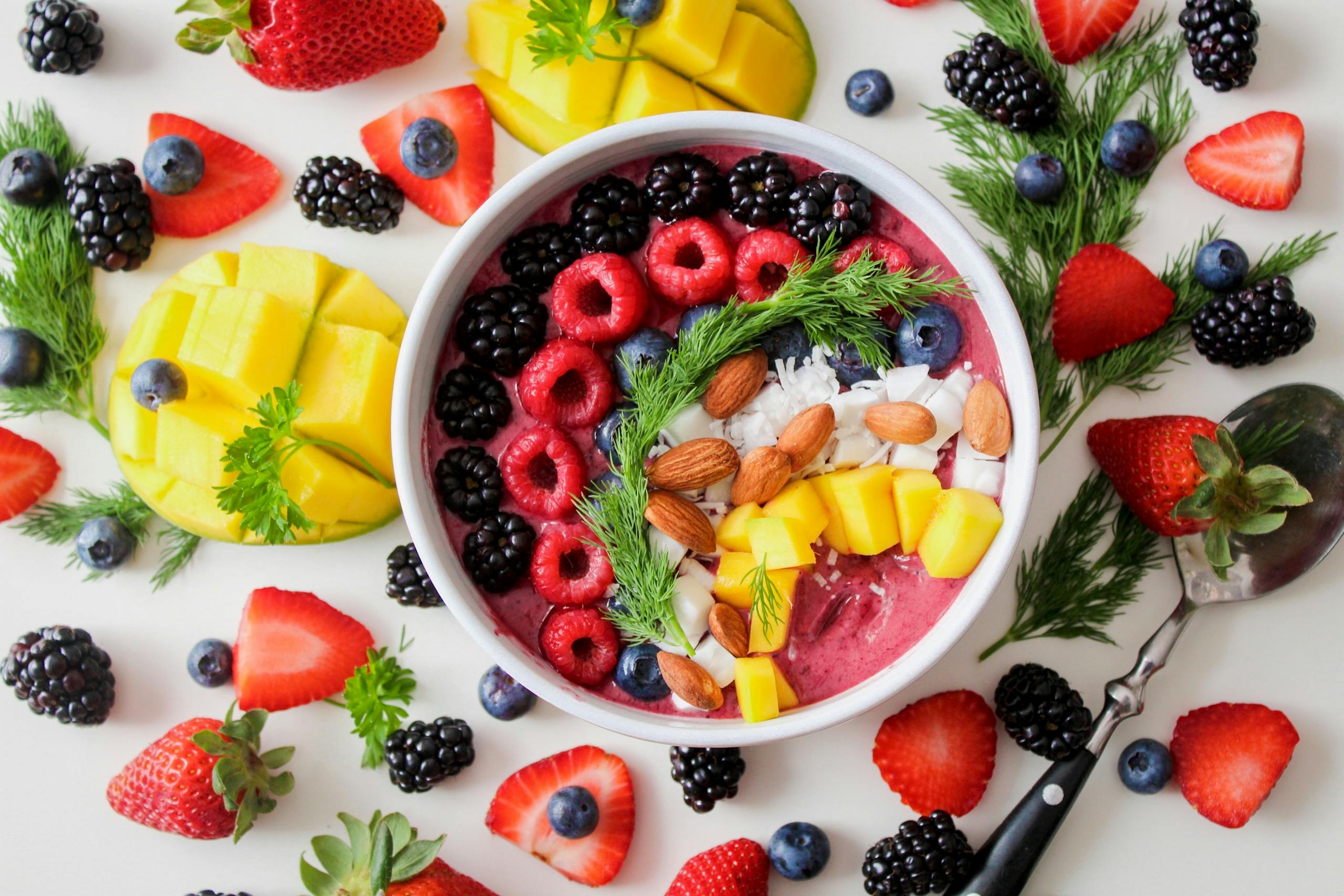
The study identified fruits and vegetables, eggs, whole milk, and infant formula as the most commonly redeemed WIC foods. These items form the backbone of many households’ WIC food packages, particularly for families with young children.
The results showed a clear and consistent pattern: higher redemption rates for these popular food categories were associated with a lower risk of dropping out of the program. As households redeemed more of their allocated benefits, the likelihood of discontinuing WIC steadily declined.
A Clear, Almost Linear Relationship
One of the most striking findings of the study was how predictable the relationship between redemption and retention turned out to be. The reduction in dropout risk followed a somewhat linear pattern, meaning that each increase in redemption level was associated with a corresponding decrease in the likelihood of leaving the program.
Households that redeemed only a small fraction of their benefits—particularly fruits and vegetables—were much more likely to discontinue participation compared to those that used most or all of what was available to them. This trend was observed across multiple food categories and held true even after accounting for other demographic and program-related factors.
Why Families Leave WIC Even When They’re Eligible
Leaving WIC does not necessarily mean families no longer need support. In many cases, barriers such as difficulty shopping for approved items, confusion about benefit rules, transportation challenges, time constraints, or lack of familiarity with how to use electronic benefit transfer (EBT) systems can reduce redemption rates.
When families struggle to use their benefits, the program may feel less valuable or more burdensome, increasing the chances that they stop participating altogether. The study’s findings suggest that low redemption is not just an outcome—it may be an early warning sign.
How WIC Agencies Can Use These Findings
The researchers emphasized that these insights could help WIC agencies become more proactive. Since all WIC providers are required to offer nutrition education, redemption data could be used to identify households that might benefit from additional outreach, guidance, or personalized support.
Rather than waiting for families to disengage completely, agencies could intervene earlier by helping participants better understand how to use their benefits or by addressing practical challenges that limit redemption.
Major Policy Changes Strengthen the Relevance of the Study
The study arrives at an especially important moment for the WIC program. In 2024, the U.S. Department of Agriculture (USDA) implemented significant updates to the WIC food package. One of the most notable changes was a substantial increase in benefits for fresh fruits and vegetables, a move that had been strongly advocated by public health experts for years.
Early feedback has shown that families overwhelmingly welcome this expansion. The study’s findings reinforce the idea that access to preferred, flexible, and culturally appropriate foods plays a crucial role in keeping families engaged with WIC over time.
Why Fruits and Vegetables Are So Central to WIC Success
Fruits and vegetables are not just popular—they are nutritionally critical. Increased consumption is associated with better childhood growth patterns, improved immune function, and reduced risk of chronic disease later in life. By increasing fruit and vegetable benefits, WIC not only supports immediate nutrition but also promotes long-term health outcomes.
This research suggests that when families are able to fully use these benefits, they are more likely to perceive WIC as valuable and worth continuing.
WIC’s Broader Impact on Public Health
Beyond individual households, WIC plays a significant role in the national public health infrastructure. The program supports millions of families each year and has been linked to lower healthcare costs, improved birth outcomes, and stronger early childhood development.
Retention matters because longer participation leads to greater cumulative benefits. Children who remain enrolled through early childhood are more likely to experience consistent nutritional support during a critical period of growth and development.
Looking Ahead
This study highlights a practical and actionable insight: how families use their benefits can tell us a lot about whether they are likely to stay enrolled. By paying closer attention to redemption patterns—especially for high-demand foods like fruits, vegetables, eggs, milk, and infant formula—WIC agencies may be able to better support families before they disengage.
At a time when nutrition assistance programs face ongoing funding and policy debates, evidence like this underscores the importance of designing benefits that are not only nutritious, but also easy to use, appealing, and responsive to families’ real needs.
Research Reference
https://jamanetwork.com/journals/jamanetworkopen/fullarticle/10.1001/jamanetworkopen.2025.46544