How Snake and Lizard Waste Could Help Us Fight Kidney Stones and Gout
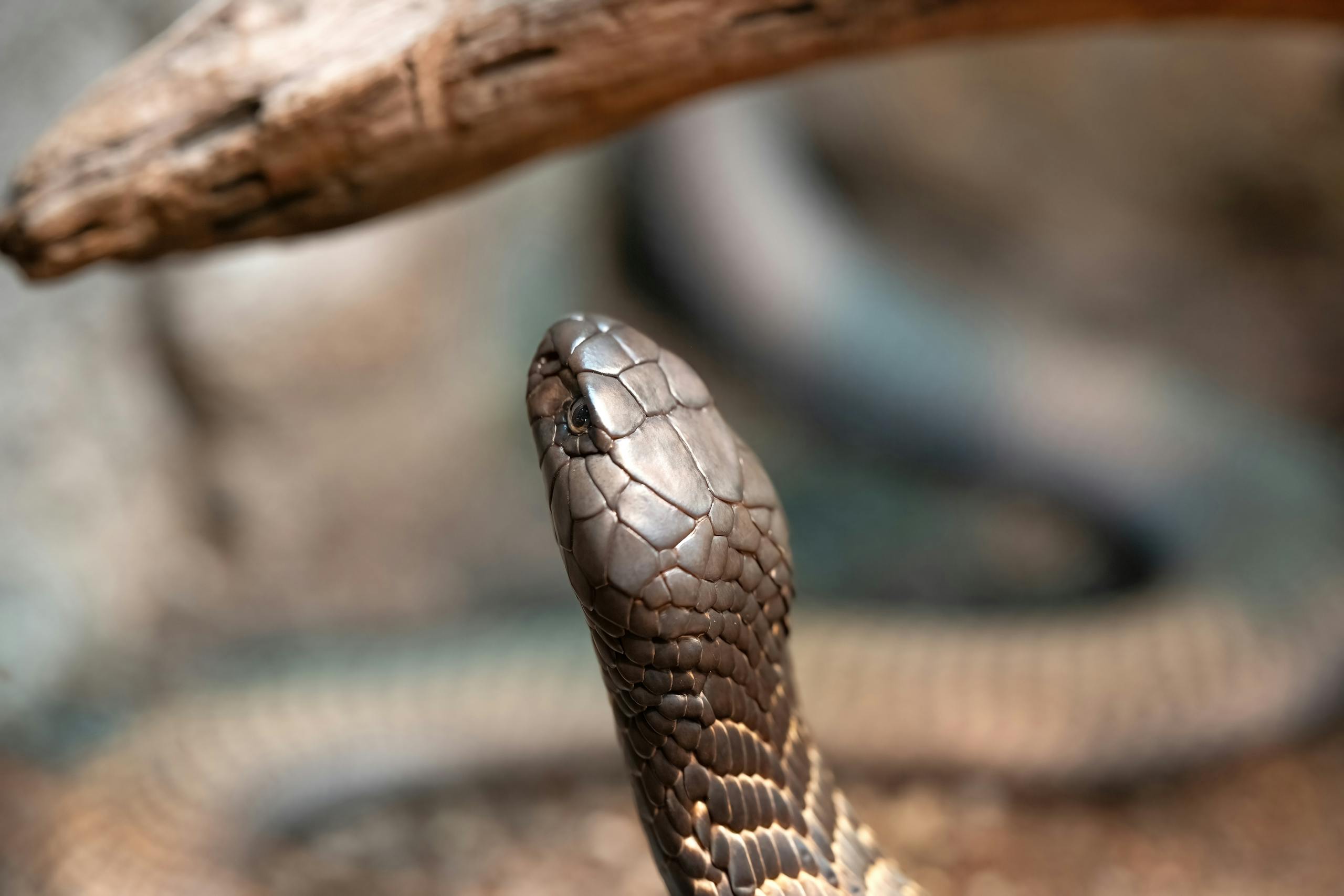
Scientists have uncovered a surprisingly promising clue in the quest to better understand and potentially prevent kidney stones and gout, and it comes from an unexpected place: the solid urine of snakes and other reptiles. A recent study published in the Journal of the American Chemical Society explores how reptiles safely crystallize their nitrogen waste, and why this unique adaptation might teach us something valuable about human health. This article breaks down every specific detail from the study and adds additional scientific context so readers can walk away with both clarity and curiosity.
Why Reptile Waste Matters in Human Disease Research
Humans eliminate excess nitrogen through urine in the form of urea, uric acid, and ammonia. When uric acid levels rise too high, the substance can crystallize inside the body — accumulating in joints (causing gout) or inside the urinary tract (forming kidney stones). These conditions are painful, common, and notoriously difficult to manage.
Reptiles, on the other hand, handle nitrogenous waste very differently. Instead of producing liquid urine like mammals, many reptiles convert their waste into dry, crystalline solids called urates. They do this to conserve water, a survival mechanism that evolved in arid environments where hydration is a constant challenge. These urates are expelled through a single opening called the cloaca.
What seems like a simple evolutionary trick turns out to be a highly sophisticated biochemical strategy. Reptiles produce and excrete far more uric acid than humans ever could without harming themselves. Understanding how they do this safely is the key question researchers set out to answer.
What the Scientists Examined
Researchers analyzed the solid urine of more than 20 reptile species, including snakes like pythons and Madagascan tree boas. Using powerful tools such as high-resolution microscopes and detailed chemical analyses, they discovered that all samples shared a striking structural feature: tiny microspheres made of uric acid.
These spheres measure no more than 0.0004 inches (about 10 micrometers), and under magnification, they are textured and uniform across multiple species. Even more interesting, each microsphere is made up of even smaller nanocrystals composed of water and uric acid monohydrate.
Researchers concluded that this crystal-building ability allows reptiles to package toxic nitrogen — especially ammonia — into a stable solid. Instead of dealing with free ammonia circulating through their bodies, reptiles convert it into a safer crystalline form that can be excreted without damaging internal organs.
This mechanism may reflect a deeply efficient natural detoxification system, and scientists suspect that uric acid itself may serve a protective role, rather than merely functioning as a waste product.
Why These Findings Matter
The leap from reptile waste to human medicine might not seem obvious at first, but it becomes clearer when you consider the core problem: humans struggle with uric acid crystallization, while reptiles rely on it.
In humans, uric acid crystals are sharp, painful, and destructive. In reptiles, they appear to be harmless, structured, and efficiently managed.
If researchers can decode how reptiles control crystal formation — how they initiate it, stabilize it, and eliminate it without causing blockages — this could inspire new approaches to:
- preventing kidney stones
- controlling uric acid buildup
- treating gout
- neutralizing ammonia safely within the body
These conditions affect millions of people worldwide. Even a small improvement in understanding crystal behavior inside the body could lead to new medical strategies and potentially new drug designs.
Inside the Structure of Reptile Urate Crystals
Here are the core structural details revealed in the study:
- The uric-acid microspheres are made of tightly packed nanocrystals.
- These nanocrystals help convert toxic ammonia into a more stable compound.
- All reptile species studied produced the microsphere structure, suggesting it is a widespread evolutionary solution.
- Microsphere formation may also aid in salt management, anchoring ions such as sodium, calcium, potassium, and magnesium.
- This dual ability — detoxifying ammonia and regulating salts — hints at a multi-purpose biochemical system.
One especially interesting discovery is that the uric acid doesn’t merely carry ammonia out of the body — it helps neutralize it chemically. This reveals a role for uric acid far beyond what scientists typically attribute to it.
Filling in the Gaps: What Scientists Still Don’t Know
Despite the detailed microscopy work, many questions remain open:
- Where inside the body do these crystals first form?
- How do reptiles prevent the crystals from accumulating in harmful places?
- Do reptiles rely on specialized proteins or biological templates to shape and regulate crystal growth?
- Could the nanocrystal structure be replicated artificially to absorb ammonia or stabilize uric acid in humans?
- What differences between human and reptile physiology limit our ability to mimic this strategy?
The study authors are clear that the translation into human medicine will require a great deal of work. Reptile kidneys, metabolism, hydration levels, and evolutionary backgrounds differ enormously from ours.
Additional Useful Background: How Kidney Stones and Gout Form in Humans
Kidney Stones
Kidney stones form when minerals and acids in urine clump together into crystals. The most common types are calcium oxalate stones, though uric acid stones also occur. High uric acid concentration increases risk significantly.
Gout
Gout occurs when uric acid accumulates in the blood and forms sharp crystals in joints. This triggers painful inflammation. Diet, genetics, kidney function, and certain medications can all play a role.
The Human Challenge
Humans lack the enzyme uricase, which breaks down uric acid. Most mammals still have this enzyme. Its absence means humans naturally maintain higher uric acid levels and are more prone to crystallization problems.
This makes the reptile model even more compelling: reptiles safely produce far greater concentrations of uric acid than humans, yet avoid disease.
Additional Background: How Reptiles Conserve Water
Reptiles evolved crystal-based waste partly because they live in environments where water is limited. Instead of expelling diluted urine, they produce semi-solid or solid waste, minimizing water loss. Birds use a similar strategy.
This adaptation has shaped their entire nitrogen-management system and may explain why their bodies evolved such precise control over urate crystal formation.
What This Research Suggests for the Future
While clinical applications are far away, this study opens the door to several promising research paths:
- Developing new medications inspired by reptile nanocrystal structures
- Designing crystallization inhibitors or modulators that mimic reptile chemistry
- Re-evaluating uric acid’s role in human physiology
- Exploring whether controlled crystallization could serve a therapeutic role, rather than being purely harmful
Scientists believe that by observing nature’s strategies — including those of animals that seem very far removed from us — we can discover innovative ways to solve human medical problems.
This study represents one such example, and it highlights how much we still have to learn from evolutionary adaptations that appear simple on the surface but hide complex biochemical engineering underneath.
Research Reference
Uric Acid Monohydrate Nanocrystals: An Adaptable Platform for Nitrogen and Salt Management in Reptiles
https://doi.org/10.1021/jacs.5c10139