Indoor Tanning Can Age Young Skin by Decades at the Genetic Level, New Study Finds
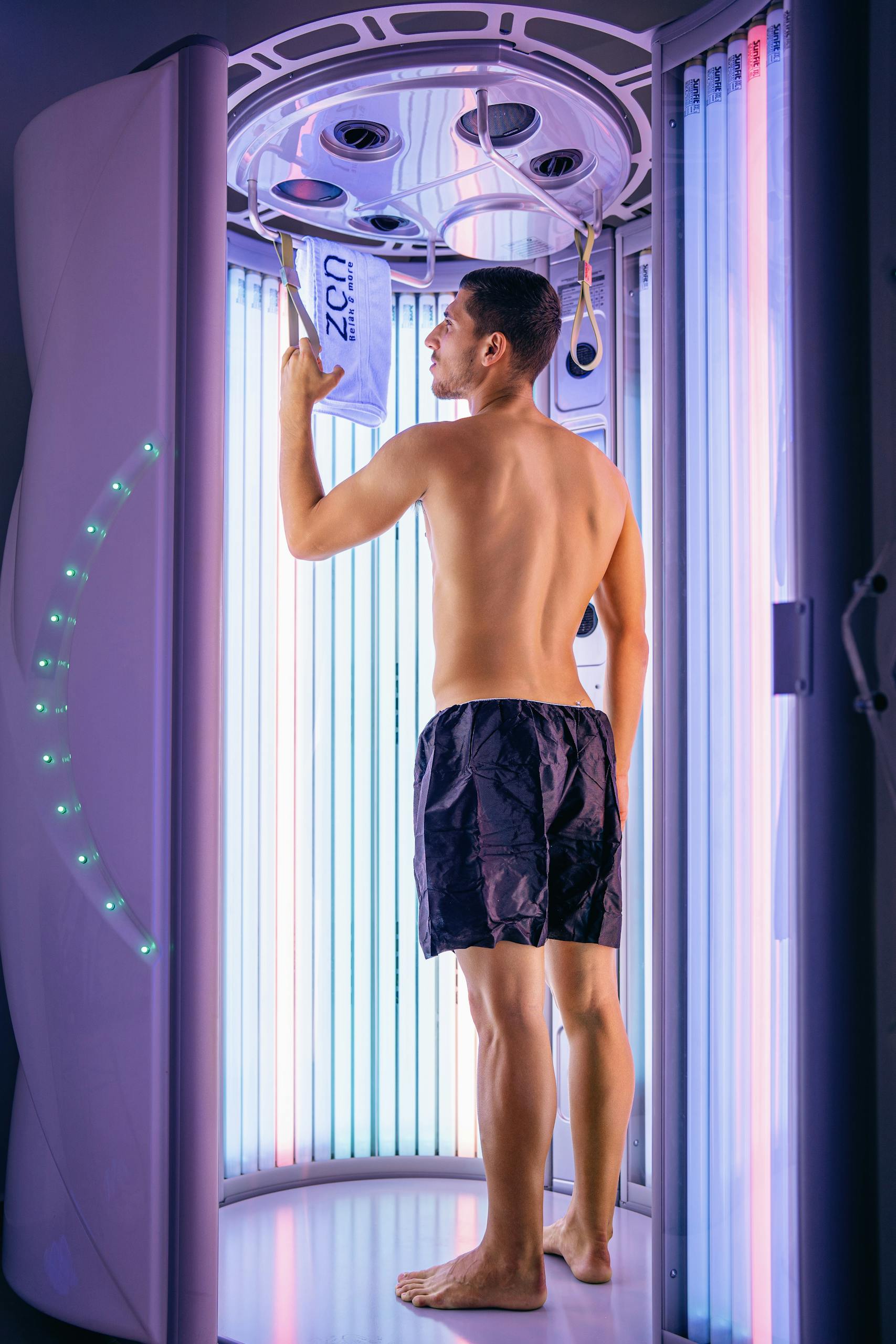
Indoor tanning has long been linked to a higher risk of skin cancer, but new research suggests the damage goes much deeper than previously understood. According to a recent scientific study, using tanning beds can cause young skin to appear decades older at the genetic level, accelerating mutations that are strongly associated with melanoma and other skin cancers. The findings add powerful new evidence to ongoing public health warnings about artificial ultraviolet (UV) radiation.
The study was led by researchers from the University of California, San Francisco (UCSF) and Northwestern University and was published on December 12, 2025, in the peer-reviewed journal Science Advances. It is one of the most detailed investigations to date into how indoor tanning affects human skin at a molecular and genetic level.
How Researchers Studied Indoor Tanning and Skin Damage
To understand the long-term effects of tanning beds, the research team analyzed both clinical data and actual skin samples. First, they examined medical records from more than 32,000 dermatology patients. These records included detailed information about tanning bed use, history of sunburns, and family history of melanoma.
In addition to patient records, the scientists collected skin samples from 26 donors. From these samples, they sequenced 182 individual skin cells, focusing especially on melanocytes — the pigment-producing cells where melanoma typically begins. By sequencing individual cells rather than bulk tissue, researchers were able to detect mutations with remarkable precision.
This combination of large-scale patient data and deep genetic analysis allowed the team to connect tanning behavior directly to measurable DNA damage.
Young Tanning Bed Users Show More Mutations Than Elderly Non-Users
One of the most striking findings of the study was the sheer number of mutations found in the skin of indoor tanning users. Researchers discovered that people in their 30s and 40s who used tanning beds had more genetic mutations in their skin cells than people in their 70s and 80s who did not use tanning beds.
In other words, the skin of frequent tanning bed users appeared biologically much older than their actual age. These mutations were not random or harmless; many were the same types of DNA changes known to drive the development of melanoma.
The researchers emphasized that aging alone does cause mutations over time, but the mutation burden caused by indoor tanning far exceeded what would normally be expected from natural aging.
Damage Found in Areas Rarely Exposed to Sunlight
Another important detail from the study was where the mutations appeared. Many of the genetic changes were found on the lower back, an area of the body that typically receives little exposure to natural sunlight. However, this region is commonly exposed during tanning bed sessions.
This finding strongly suggests that the mutations were caused specifically by artificial UV radiation from tanning beds, rather than by cumulative sun exposure over a lifetime. It also helps rule out the argument that tanning bed users simply spend more time in the sun overall.
The skin samples from tanning bed users were described as being filled with cells already carrying mutations that can eventually lead to cancer, even before any visible disease develops.
Why These Mutations Matter for Cancer Risk
Skin cancer is already the most common cancer in the United States, according to the American Cancer Society. Among skin cancers, melanoma accounts for only about 1% of cases but causes the majority of skin cancer deaths.
Each year, roughly 11,000 Americans die from melanoma, and UV radiation is the primary cause. UV radiation damages DNA by creating mutations, and once a mutation occurs, it cannot be reversed.
The study reinforces the idea that tanning beds dramatically increase the number of these irreversible mutations, creating fertile ground for cancer to develop later in life. Even if cancer does not appear immediately, the genetic damage accumulates silently over time.
Indoor Tanning and Rising Melanoma Rates
The findings arrive amid ongoing concerns about indoor tanning, especially among younger people. While UV radiation occurs naturally in sunlight, tanning beds expose users to concentrated artificial UV light, often at intensities higher than midday sun.
Melanoma rates have risen alongside the popularity of tanning beds, particularly among young women, who make up a large portion of the tanning industry’s customer base. Despite widespread awareness campaigns, indoor tanning remains common in the United States.
In contrast, many countries have effectively banned tanning beds, especially for minors. The World Health Organization (WHO) classifies tanning beds as a Group 1 carcinogen, placing them in the same category as tobacco smoke and asbestos.
Why Artificial UV Radiation Is Especially Harmful
Artificial UV radiation differs from natural sunlight in several important ways. Tanning beds are designed to deliver consistent, high-intensity UV exposure over short periods. This can overwhelm the skin’s natural defense and repair mechanisms.
While the skin can sometimes repair minor DNA damage, repeated exposure increases the likelihood that errors will persist. Over time, these unrepaired mutations accumulate, increasing the chances that a cell will become cancerous.
The study highlights that limiting exposure to artificial UV radiation is one of the simplest and most effective ways to reduce mutation accumulation in skin cells.
Additional Health Effects of Indoor Tanning
Beyond cancer risk, indoor tanning has been associated with premature skin aging, including wrinkles, loss of elasticity, and uneven pigmentation. UV radiation breaks down collagen and elastin, the proteins responsible for keeping skin firm and youthful.
There is also evidence linking tanning bed use to eye damage, including cataracts and retinal injury, as well as immune suppression, which may reduce the body’s ability to detect and destroy early cancer cells.
These effects, combined with the newly identified genetic damage, paint a clearer picture of indoor tanning as a serious health hazard rather than a cosmetic choice.
What This Study Adds to the Conversation
What makes this research especially significant is its direct genetic evidence. Previous studies have shown correlations between tanning bed use and melanoma, but this study demonstrates how tanning beds physically alter DNA in normal skin cells long before cancer appears.
By showing that young users can accumulate more mutations than elderly non-users, the study challenges the idea that tanning is safe if done “in moderation.” The genetic damage begins early and builds over time.
The findings also support calls for stronger regulations, clearer warning labels, and greater public awareness, particularly for younger populations who may underestimate long-term risks.
Final Thoughts
Indoor tanning does not just darken the skin temporarily — it permanently alters it at the genetic level. The evidence now shows that tanning beds can accelerate skin aging by decades, leaving behind DNA damage that significantly raises the risk of melanoma and other skin cancers.
As researchers emphasized, once mutations occur, they cannot be undone. Prevention, not treatment, remains the most effective defense.
Research paper: https://www.science.org/doi/10.1126/sciadv.ady4878