Like Alcohol Units but for Cannabis Experts Define Safer Limits for THC Consumption
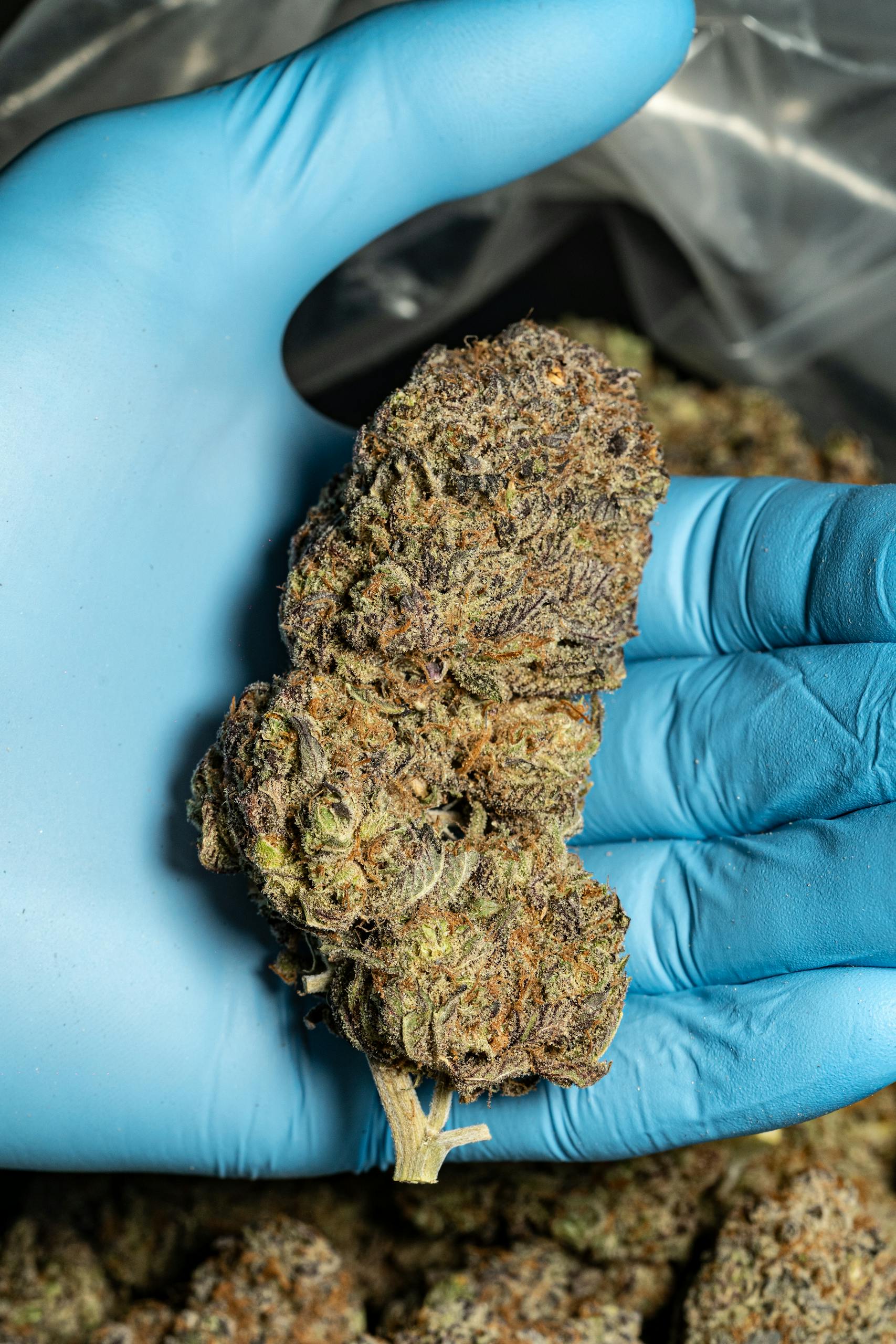
Researchers at the University of Bath in the UK are pushing forward an idea that could fundamentally change how people think about cannabis use: treating it more like alcohol, with clear, measurable units that help users understand what “safer” consumption actually looks like. Just as alcohol guidelines rely on standard drink units rather than vague ideas of “a lot” or “a little,” this new research proposes THC-based units to guide cannabis use in a more informed and harm-reduction focused way.
The work, published in the peer-reviewed journal Addiction, is one of the first attempts to define evidence-based thresholds for cannabis consumption using THC content, rather than simply counting how often someone uses cannabis or how much plant material they consume. THC, or delta-9-tetrahydrocannabinol, is the compound responsible for cannabis’s psychoactive effects, and its concentration can vary enormously between products.
Why Measuring Cannabis Use Has Been So Difficult
Unlike alcohol, cannabis has never had a widely accepted standard unit. People often describe their use in terms of joints, bowls, edibles, or grams of cannabis, but these measures are wildly inconsistent. A single joint today may contain far more THC than one from a decade ago, due to increases in cannabis potency. Two people could both say they smoke “once a day,” yet their actual THC exposure could differ severalfold.
The Bath researchers argue that THC units provide a more accurate picture of exposure because they reflect both potency and quantity. This approach shifts the focus away from how often someone uses cannabis and toward how much THC their body is actually receiving over time.
Defining a THC Unit
In this framework, one THC unit is defined as 5 milligrams of THC. Using this standard, the researchers were able to estimate weekly consumption levels and compare them to the risk of developing cannabis use disorder (CUD).
CUD is a clinically recognized condition marked by problematic cannabis use that causes significant impairment or distress. Symptoms can include cravings, difficulty controlling use, continued use despite negative consequences, and cannabis interfering with work, relationships, or daily responsibilities. It is estimated to affect around 22% of people who use cannabis regularly.
The Proposed Safer Limits
Based on their analysis, the researchers recommend that adults should not exceed 8 THC units per week, which equals about 40 mg of THC. In practical terms, this is roughly equivalent to one-third of a gram of herbal cannabis, depending on potency.
The data show that risk increases beyond this level. When weekly consumption rises above 13 THC units, the likelihood of developing more severe CUD increases substantially.
These numbers are not presented as guarantees of safety. The researchers emphasize that no cannabis use is completely risk-free, but the goal is to provide realistic, evidence-based guidance for people who choose to use cannabis and want to reduce potential harm.
How the Thresholds Were Established
The findings are based on data from the CannTeen study, a longitudinal project conducted at University College London (UCL). The study followed 150 people who used cannabis, tracking their use over a year. Researchers assessed participants’ levels of cannabis use disorder and estimated their weekly THC intake using the proposed unit system.
The results were striking. Among participants who stayed below 8 THC units per week, around 80% did not meet criteria for CUD. In contrast, among those who exceeded this threshold, about 70% showed signs of cannabis use disorder. This clear separation allowed the researchers to propose, for the first time, a specific numerical threshold for lower-risk use.
A Harm Reduction Perspective
The Bath research team is careful to frame these guidelines within a harm reduction approach. Their message is not that cannabis use is safe up to a certain point, but that lower exposure generally means lower risk. People who do not want to stop using cannabis, or feel unable to, can still make choices that reduce harm.
For example, individuals might choose lower-THC products, reduce the amount they consume, or spread their use more evenly across the week. By thinking in terms of THC units, these decisions become more concrete and easier to track.
Why This Matters as Cannabis Becomes More Available
Cannabis is now one of the most widely used drugs in the world, and legal access continues to expand across multiple countries. With legalization has come a flood of new products, including high-potency flower, concentrates, and edibles, many of which make it difficult for consumers to judge how much THC they are actually consuming.
The researchers argue that standard THC units could be used by public health bodies, clinicians, and policymakers to communicate risk more clearly. In health care settings, they could help professionals assess use patterns and monitor reductions over time. For consumers, they could provide a clearer framework for making informed decisions about personal health.
International Interest and Policy Implications
The Bath study has already attracted attention beyond the UK. In Canada, where cannabis is legal nationwide, there is growing momentum to introduce standard THC unit labeling on products. This would mirror how alcohol products in the UK display unit information to help consumers stay within recommended limits.
The Canadian Centre on Substance Use and Addiction (CCSA) is leading a global working group focused on cannabis units, and the Bath researchers have shared their findings to support this effort. Canada’s expert panel reviewing the Cannabis Act has identified the development of a standard cannabis dose as a priority, particularly as product variety and potency continue to increase.
Policymakers and analysts have noted that clearer labeling could help people better understand product strength, interpret labels more effectively, and avoid unintentional overconsumption.
Limitations and Ongoing Research
While the proposed THC unit system is a major step forward, the researchers acknowledge its limitations. Cannabis contains many compounds beyond THC, including CBD and other cannabinoids, which can influence effects and risk. Different methods of consumption—smoking, vaping, or eating edibles—also affect how THC is absorbed and experienced.
The current thresholds are based on a UK sample, and the researchers plan to expand their work to larger, international populations. They also aim to develop tools that help people track their THC unit intake across different products and legal markets.
Despite these challenges, many experts see THC units as a practical and much-needed starting point. Even an imperfect standard can be more useful than no standard at all, especially in a rapidly evolving cannabis landscape.
What This Means for Cannabis Users
For people who use cannabis, this research offers a clearer way to think about consumption. Instead of relying on rough estimates or habit-based measures, THC units provide a quantifiable, comparable metric. Over time, this could make conversations about cannabis use more transparent, less judgmental, and more focused on health outcomes.
As with alcohol guidelines, these recommendations are not about policing behavior. They are about giving people better information so they can make choices that align with their own priorities and risk tolerance.
Research paper:
Estimating thresholds for risk of cannabis use disorder using standard delta-9-tetrahydrocannabinol (THC) units, Addiction (2026)
https://doi.org/10.1111/add.70263