Los Angeles Wildfires Drove a Sharp Surge in Virtual Medical Visits According to New Research
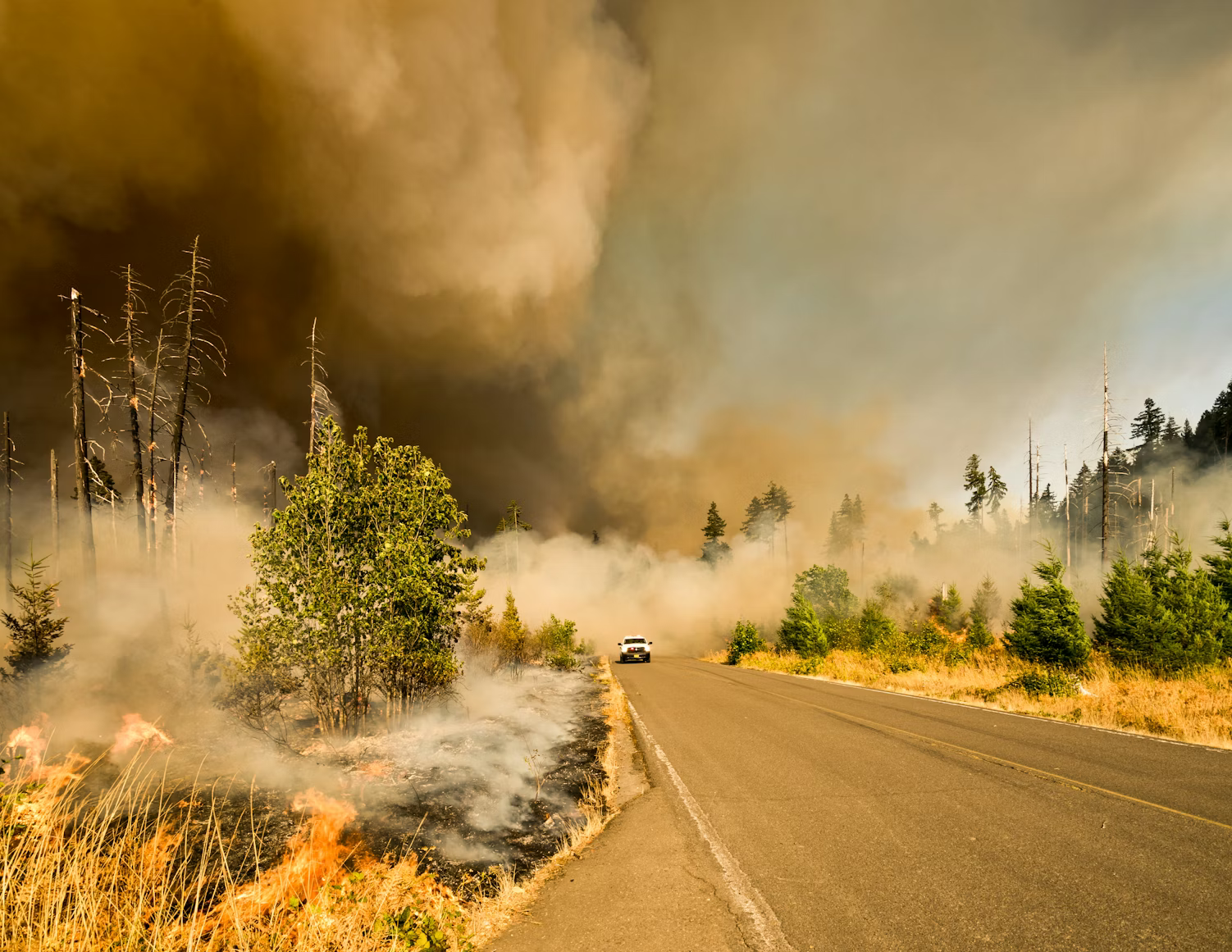
When the January 2025 wildfires swept from the foothills into densely populated areas of Los Angeles, the immediate concerns were evacuation, toxic smoke, and dangerously poor air quality. Hospitals prepared for a wave of patients, expecting emergency rooms and clinics to be overwhelmed. That surge, however, largely never materialized in the way many expected. Instead, something else happened: people turned to virtual health care in record numbers.
A new study published in JAMA Health Forum reveals how dramatically the wildfires reshaped health care usage across Los Angeles County. Led by researchers from the University of Washington in collaboration with Kaiser Permanente Southern California, the research provides a detailed look at how people sought medical care during a fast-moving climate disaster—and what this might mean for the future of emergency health system planning.
A Massive Dataset Capturing Real-Time Health Behavior
To understand how the fires affected health care utilization, researchers analyzed electronic health records from 3.7 million Kaiser Permanente members of all ages living in Southern California. This made it one of the most comprehensive examinations of outpatient and virtual care behavior during a wildfire event.
The fires began on January 7, 2025, a day marked by rapidly deteriorating air quality, widespread evacuations, and school closures across Los Angeles County. The research team focused on the first week after ignition, when smoke exposure and disruption were at their peak.
To determine what constituted “excess” health care use, researchers looked back over three years of historical data to estimate how many visits would normally be expected during the same time period under typical conditions. They then compared those expectations with what actually occurred during the wildfire week.
Virtual Care Usage Spiked Almost Immediately
One of the most striking findings was the sharp rise in virtual medical visits, particularly for respiratory and cardiovascular symptoms.
In the week following the wildfire outbreak, virtual visits for respiratory issues increased by 42% above expected levels. These were not minor fluctuations; they represented thousands of additional patients seeking care remotely instead of in person.
Cardiovascular-related virtual visits also surged. Among people living close to active burn zones, virtual cardiovascular visits increased by 44%, while residents across Los Angeles County saw an increase of about 40% compared with normal levels.
These numbers suggest that during the wildfire emergency, many people actively chose telehealth services as their primary way to access medical care, likely due to smoke exposure, evacuation orders, road closures, and public health guidance to stay indoors.
In-Person Outpatient Visits Still Increased—but Less Dramatically
While virtual visits saw the biggest jump, in-person outpatient care did not remain static. Outpatient visits for respiratory symptoms rose significantly as well, though the increases were smaller compared to virtual care.
People living near burn zones experienced a 27% increase in in-person outpatient visits for respiratory issues. Across Los Angeles County, those visits increased by about 31%. This shows that while virtual care absorbed much of the demand, in-person clinics still played an important role during the crisis.
Importantly, despite these increases in outpatient and virtual care, hospitals did not see the overwhelming influx that many disaster plans traditionally anticipate.
Estimating the Countywide Impact
To better understand the broader implications, researchers extrapolated their findings to include all insured residents of Los Angeles County, not just Kaiser Permanente members.
Based on this modeling, they estimated that during the first week of the fires there were approximately:
- 15,792 excess cardiovascular virtual visits
- 18,489 excess respiratory virtual visits
- 27,903 excess respiratory outpatient visits
These figures represent care that would not have occurred under normal conditions and highlight how significantly the wildfires altered health-seeking behavior across the region.
Exposure Levels Made a Measurable Difference
Not everyone in Los Angeles County experienced the wildfires in the same way, and the study carefully accounted for levels of exposure.
Researchers categorized individuals as:
- Highly exposed if they lived within about 12 miles (20 kilometers) of an active burn zone
- Moderately exposed if they lived elsewhere in Los Angeles County
- Minimally exposed if they lived farther away but still within the broader affected region
The closer people lived to the fires, the more likely they were to seek care. When looking specifically at respiratory-related virtual visits, minimally exposed individuals saw a 31% increase, moderately exposed individuals experienced a 36% increase, and those in highly exposed areas recorded a 42% increase. This gradient clearly shows how proximity to wildfire smoke and disruption directly influenced health outcomes.
Injuries and Mental Health Visits Also Rose
The impact of the wildfires was not limited to lungs and hearts. The study also found notable increases in injury-related and neuropsychiatric health care visits.
On the first day of the fires, outpatient injury visits were 18% higher than expected among highly exposed residents. Virtual injury visits increased even more sharply, rising by 26% in highly exposed areas and 18% among moderately exposed populations.
Mental and neurological health concerns followed a similar pattern. Outpatient visits for neuropsychiatric symptoms increased by 31% among highly exposed individuals and 28% among moderately exposed ones. These findings highlight the often-overlooked psychological and neurological strain caused by sudden evacuations, prolonged smoke exposure, and ongoing uncertainty during disasters.
Why Virtual Care Became the Preferred Option
Several factors likely drove the dramatic rise in virtual visits. During the wildfire week, residents were advised to stay indoors, schools were closed, and transportation was disrupted. For many people, traveling to a clinic was either unsafe or impractical.
Virtual care offered a way to quickly consult a clinician without risking further smoke exposure or violating evacuation orders. For health systems, telehealth also allowed providers to maintain continuity of care despite physical disruptions to clinics and staffing.
What This Means for Future Disaster Planning
Traditionally, emergency health care planning focuses on increasing hospital bed capacity, expanding emergency department staffing, and preparing physical facilities for surges. This study suggests that such planning may be incomplete without equal attention to virtual care infrastructure.
As climate-related disasters like wildfires become more frequent and more intense, health systems may need to assume that demand will shift heavily toward telehealth during emergencies. Ensuring that platforms can handle sudden spikes, that providers are trained for virtual triage, and that patients know how to access these services could become just as critical as physical preparedness.
Wildfires and Health: A Growing Public Health Issue
Wildfire smoke is known to contain fine particulate matter that can penetrate deep into the lungs and bloodstream, aggravating asthma, chronic obstructive pulmonary disease, heart disease, and other conditions. Research has also linked smoke exposure to increased risks of stroke, anxiety, depression, and cognitive stress.
The Los Angeles fires of January 2025 serve as a clear example of how environmental disasters can rapidly reshape health care needs—and how modern health systems are already adapting in real time.
A Clear Signal From the Data
This study sends a strong message: during climate disasters, people do not simply stop seeking medical care. They change how they access it. Virtual health care proved to be a critical pressure valve, absorbing demand that might otherwise have overwhelmed hospitals and clinics.
As wildfires, heat waves, floods, and other climate-driven emergencies continue to affect urban populations, understanding these shifts will be essential for protecting public health.
Research paper:
The 2025 Los Angeles Wildfires and Outpatient Acute Health Care Utilization – JAMA Health Forum
https://jamanetwork.com/journals/jama-health-forum/fullarticle/10.1001/jamahealthforum.2025.4632