Low Lycopene Intake Is Linked to a Higher Risk of Severe Gum Disease in Older Adults, New Study Finds
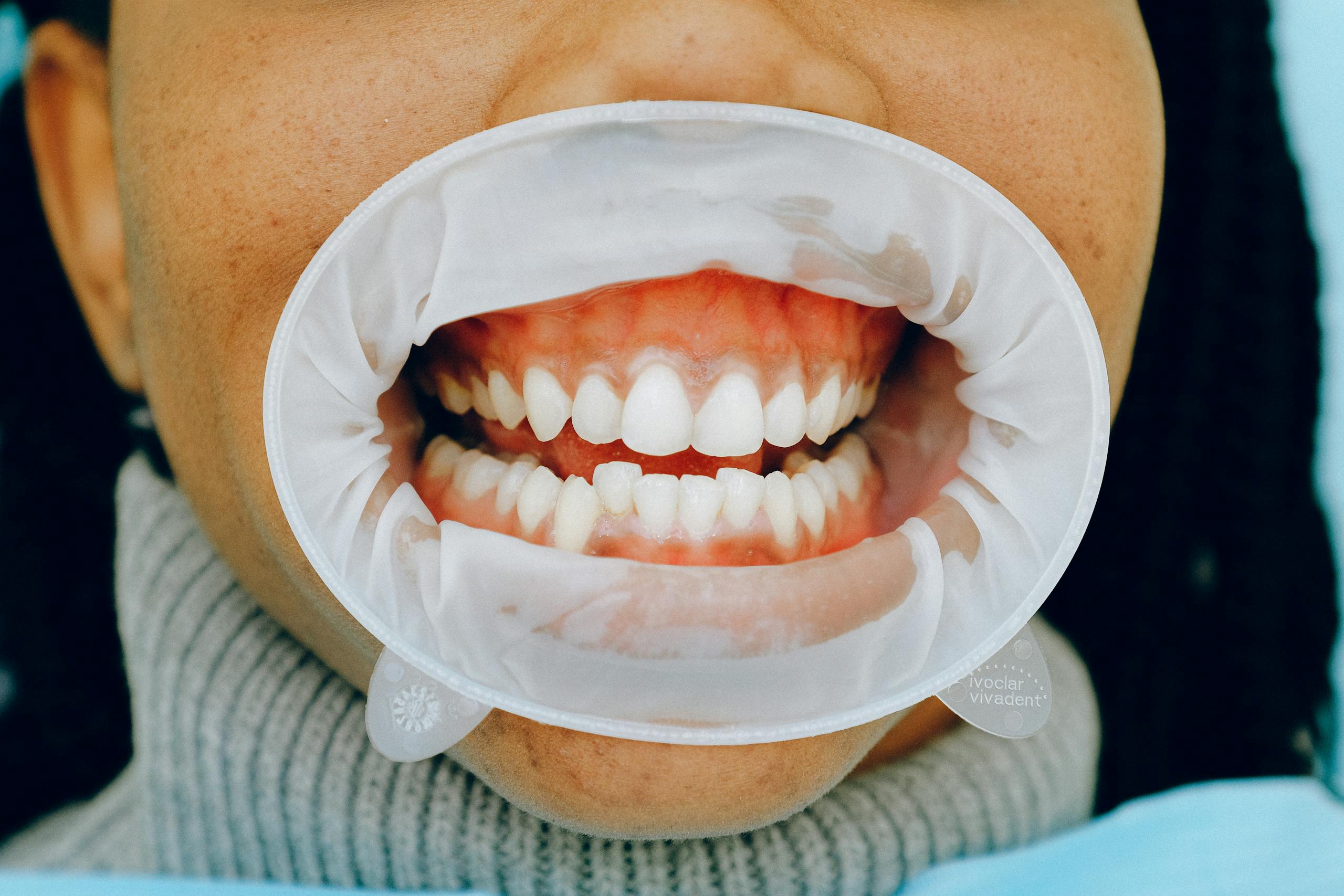
A new nutrition and oral health study is drawing attention to a surprisingly overlooked factor in gum disease among older adults: lycopene, a powerful antioxidant found in foods like tomatoes and other red fruits. According to this research, older adults who do not consume enough lycopene may face a significantly higher risk of severe periodontitis, a serious form of gum disease that can lead to tooth loss and broader health complications.
The study, published in The Journal of Nutrition, Health and Aging, focuses on U.S. adults between the ages of 65 and 79 and reveals important patterns related not only to diet, but also to race and sex disparities in oral health outcomes.
What the Study Looked At
The research was led by Katherine Kwong from the Department of Human Development at Connecticut College, working with collaborators from Tulane University, University of California San Diego, Yunnan University, Southern Illinois University, and Louisiana State University Health Sciences Center.
To understand the relationship between diet and gum disease, the researchers analyzed data from 1,227 participants who took part in the National Health and Nutrition Examination Survey (NHANES) between 2009 and 2014. NHANES is a well-established, nationally representative survey that combines interviews, dietary assessments, and physical examinations, including detailed oral health evaluations.
Participants’ dietary lycopene intake was assessed using standardized dietary recall methods, while periodontal health was evaluated through clinical dental examinations. The researchers then adjusted their analysis for key factors such as age, sex, race, smoking status, and education level, ensuring that the findings were not simply explained by these known risk variables.
How Common Are Gum Disease and Low Lycopene Intake?
One of the first striking findings was just how common both gum disease and low lycopene intake were in this group.
- 48.7% of the older adults studied had some level of periodontitis
- 77.9% of participants consumed insufficient amounts of dietary lycopene
This means that nearly four out of five older adults in the sample were not getting enough lycopene through their diet, while nearly half were already experiencing gum disease to some degree.
The Key Finding: Lycopene and Severe Periodontitis
After accounting for multiple confounding factors, the researchers found a strong association between lycopene intake and severe gum disease.
Older adults who consumed adequate levels of lycopene had about one-third the odds of developing severe periodontitis compared with those who consumed insufficient amounts. In statistical terms, the odds ratio was 0.33, with a 95% confidence interval of 0.17 to 0.65, indicating a robust and meaningful association.
In simpler terms, people with enough lycopene in their diet were far less likely to suffer from the most severe and damaging form of gum disease.
Differences by Race and Sex
The study also highlighted important racial and sex-based disparities in severe periodontitis risk.
- Men were significantly more likely than women to experience severe periodontitis
- Women had much lower odds of severe disease, with an odds ratio of 0.27 compared to men
- Non-Hispanic Black adults had substantially higher odds of severe periodontitis than non-Hispanic White adults, with an odds ratio of 2.82
When researchers looked more closely at how lycopene intake interacted with these demographic factors, additional patterns emerged.
Among non-Hispanic White adults, both adequate lycopene intake and female sex were associated with a lower risk of severe gum disease. However, among non-Hispanic Black adults, the protective association between lycopene intake and severe periodontitis was not observed, suggesting that different biological, social, or environmental factors may be influencing disease risk in this group.
These findings underscore that nutrition alone may not fully explain oral health disparities, and that prevention strategies may need to be tailored more carefully.
Why Lycopene Might Matter for Gum Health
Lycopene is a carotenoid antioxidant most commonly associated with tomatoes, tomato-based products, watermelon, pink grapefruit, and guava. Unlike some nutrients, lycopene is fat-soluble, meaning it is better absorbed when consumed with dietary fats, and its bioavailability often increases when foods are cooked, such as in tomato sauce.
From a biological standpoint, periodontitis is a chronic inflammatory disease driven by bacterial infection and an overactive immune response. This process produces oxidative stress, which damages tissues and worsens inflammation. Antioxidants like lycopene are thought to help counteract this process by neutralizing free radicals and potentially reducing inflammation in gum tissues.
Previous research has already linked lycopene to benefits in cardiovascular health, metabolic health, and certain inflammatory conditions, so its connection to periodontal health fits into a broader pattern of antioxidant-related protection.
Important Limitations to Keep in Mind
Despite the strong associations, the researchers are careful to point out several limitations.
Most importantly, the study is cross-sectional, meaning diet and gum disease were measured at the same point in time. Because of this, the study cannot prove causation. It is not possible to say for certain that low lycopene intake causes severe periodontitis, only that the two are strongly associated.
Dietary intake was also measured using self-reported recall, which can introduce measurement error or underreporting. Additionally, some subgroup analyses, particularly those involving race-specific patterns, may have been limited by smaller sample sizes.
What This Means for Prevention and Public Health
Even with these limitations, the findings suggest that dietary lycopene may be an important modifiable factor in preventing or reducing severe gum disease among older adults. Given how common both low lycopene intake and periodontitis are in this age group, the potential public health implications are notable.
The authors recommend that future research focus on longitudinal studies and randomized controlled trials to determine whether increasing lycopene intake can actively reduce the risk or progression of periodontal disease. They also emphasize the importance of race- and sex-specific prevention strategies, rather than assuming a one-size-fits-all approach.
A Quick Look at Lycopene-Rich Foods
For readers curious about practical sources of lycopene, common foods include:
- Cooked tomatoes and tomato sauce
- Tomato juice
- Watermelon
- Pink grapefruit
- Guava
Because cooking can improve lycopene absorption, processed tomato products may actually provide more usable lycopene than raw tomatoes.
The Bigger Picture
Severe periodontitis is not just a dental issue. It has been linked to cardiovascular disease, diabetes, and reduced overall quality of life. Studies like this one reinforce the idea that oral health and nutrition are deeply connected, especially as people age.
While more research is needed before making definitive dietary recommendations, this study adds to growing evidence that what we eat may play a meaningful role in how well our gums age.
Research paper:
https://doi.org/10.1016/j.jnha.2025.100759