Nasal Nanomedicine Shows Powerful Potential for Treating Deadly Brain Tumors
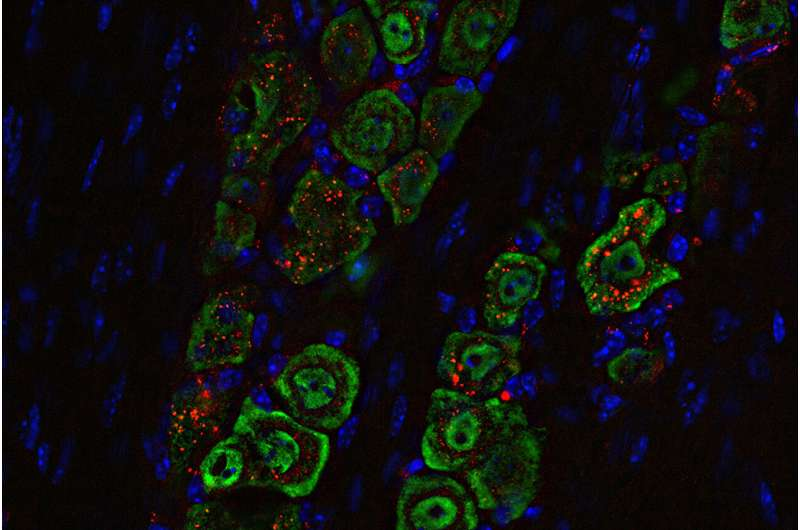
Scientists from Washington University School of Medicine in St. Louis, working together with researchers at Northwestern University, have introduced a promising new noninvasive approach to treating one of the most lethal brain cancers: glioblastoma. Their experimental technique delivers a precisely engineered nanomedicine through simple nasal drops, allowing the treatment to reach the brain without surgery. Early results in mice show that this method can eliminate tumors, activate the immune system, and even generate long-term protection against cancer recurrence.
A New Way to Reach the Brain Without Surgery
One of the biggest challenges in treating glioblastoma is the blood–brain barrier, which blocks most therapeutic drugs from entering brain tissue. Traditional immunotherapy options often fail because glioblastoma is considered an immune-cold tumor—meaning the immune system barely recognizes it.
The newly developed treatment relies on spherical nucleic acids (SNAs)—nano-scale structures built around a gold core and densely coated with DNA strands. These structures are designed to activate the STING pathway (stimulator of interferon genes), a crucial immune mechanism that detects foreign DNA and launches defensive responses.
Normally, STING-activating drugs must be injected directly into the tumor, a highly invasive method that requires repeated procedures. But this new approach uses nasal drops, allowing the nanomedicine to travel naturally along the nerve pathways connecting the nasal cavity to the brain, specifically through a major nerve linked to facial muscles. This avoids surgical intervention entirely.
How the Nanomedicine Works
The gold-core SNAs carry short DNA sequences engineered to trigger the STING pathway in immune cells located inside and around the tumor. Once delivered, the SNAs concentrate in glioblastoma tissue and nearby immune cells rather than spreading throughout the body. This targeted delivery reduces the risk of harmful side effects.
The researchers also added a molecular tag to the SNAs to track their movement using near-infrared imaging. This allowed them to see the nanomedicine’s path from the nose to the brain in real time. The imaging confirmed that the treatment stayed within the intended regions and reached the tumor effectively.
Inside the tumor, the SNAs successfully activated STING, causing immune cells to switch into a more aggressive, tumor-fighting state. This change helped convert the normally resistant glioblastoma environment into one that supports immune activity.
Results From Mouse Experiments
The preclinical tests delivered striking results:
- A small number of nasal doses—just one or two—were enough to eradicate tumors in mice.
- When paired with medications that boost T-lymphocyte activation, the treatment became even more potent.
- Mice not only cleared their tumors but also developed long-term immunity, meaning the cancer did not grow back when reintroduced.
- The immune activation took place mainly in the tumor region and in the brain’s associated lymph nodes, showing a well-targeted response.
These outcomes significantly surpassed the performance of earlier STING-based treatments, which struggled with short-lived activity and required direct tumor injections.
Why Glioblastoma Is So Hard to Treat
Glioblastoma affects around three out of every 100,000 people in the U.S. each year. It arises from star-shaped brain cells called astrocytes and grows extremely fast. Current treatments—surgery, chemotherapy, and radiation—can slow the disease but rarely stop it.
A major reason for this poor prognosis is that glioblastoma uses several strategies to block or disable immune responses. Even if one pathway is activated, the tumor can often shut it down using redundant suppression mechanisms. That’s why the researchers behind this new study emphasize that activating the STING pathway alone isn’t enough for a full cure in humans.
However, nasal delivery of SNAs could serve as a foundation for multi-targeted immunotherapy, where several immune-activating mechanisms are triggered at once through a single noninvasive treatment.
The Science Behind Spherical Nucleic Acids
SNAs are a unique class of nanostructures invented by Northwestern’s Chad A. Mirkin. Their spherical architecture dramatically increases how strongly and efficiently cells absorb DNA or RNA materials. This property gives SNAs greater therapeutic potency than conventional delivery methods.
Some advantages of SNAs include:
- High cellular uptake, especially in immune cells.
- Programmable design, allowing researchers to attach customized DNA or RNA sequences.
- Biocompatibility, with minimal toxicity when engineered correctly.
- Controlled targeting, which can be refined with different chemical modifications.
The study introduced a new type of SNA specifically optimized to activate STING in the brain—something previous nanotechnologies had not accomplished through nasal delivery.
The Path to Future Treatments
Even with its promising success in mice, the therapy still faces multiple steps before it can be tested in humans. Researchers need to determine:
- Long-term safety of repeated nasal dosing.
- How well SNAs travel and activate immune cells in larger, more complex brains.
- Which additional immune pathways should be combined with STING activation for maximal effect.
- How human glioblastoma biology may differ in ways that affect treatment response.
The team is already working on SNAs capable of stimulating additional immune pathways, which could allow doctors to attack glioblastoma from several angles simultaneously.
What This Breakthrough Could Mean
If future studies confirm the effectiveness of this approach, nasal nanomedicine could transform the entire field of brain-cancer treatment. The technique may eventually be adapted for:
- Other immune-resistant cancers in the brain
- Neurodegenerative diseases requiring targeted brain delivery
- Therapies needing frequent dosing without surgical risk
- Personalized nanomedicines tailored to unique tumor mutations
By demonstrating that nanoscale therapies can reach the brain noninvasively and activate deep-seated immune responses, this research opens the door to a new era of precision medicine for diseases that have long been considered unreachable.
Research Reference
PNAS – cGAS-agonistic spherical nucleic acids reprogram the glioblastoma immune microenvironment and promote antitumor immunity
https://doi.org/10.1073/pnas.2409557122