New Brain-Imaging Research Shows How a Digital App Is Transforming the Understanding of Sickle Cell Disease Pain
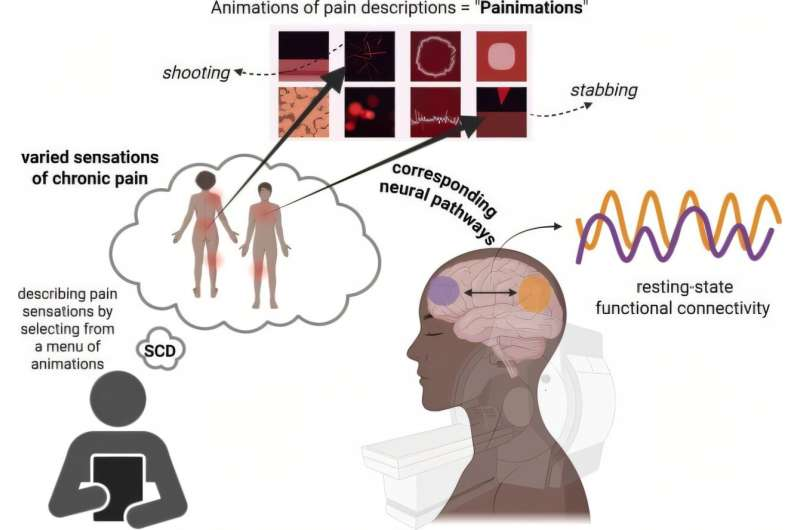
A new wave of research is shedding light on one of the most misunderstood aspects of sickle cell disease (SCD): chronic and acute pain. A team at Carnegie Mellon University’s Wood Neuro Research Group has combined ultra-high-resolution brain imaging with a digital pain-description tool called Painimation, revealing how people with SCD experience pain at the neural level—and why traditional pain-rating scales fall short. This work, published in The Journal of Pain, marks an important step toward developing objective pain biomarkers, a long-awaited need in the medical community.
A Clear Problem: Traditional Pain Scales Aren’t Enough
Pain in SCD is notoriously complex. Many patients experience daily discomfort along with unpredictable, severe pain crises. Yet, most clinical environments still rely on a simple 1–10 pain scale. This approach often forces patients to compress a multifaceted experience into a single number, leading to misinterpretations and mistrust.
People with SCD frequently report feeling dismissed or misunderstood, which has real consequences: delayed care, avoidance of emergency departments, fear of being labeled as drug-seeking, and long-term emotional burden. The new study aims to change that narrative by providing science-backed insight into how pain actually manifests in the brain.
How Painimation Works
Developed by Emory University collaborator Dr. Charles Jonassaint, Painimation replaces numerical scores with animated visual descriptors. Instead of asking patients to “rate” their pain, the app allows them to select animations that reflect the quality of their pain—sensations like throbbing, stabbing, cramping, or shooting—and then specify intensity.
This approach captures something traditional scales miss: pain is multi-layered. Two people can both report a “7,” yet one might be experiencing sharp stabbing bursts while another feels a dull, suffocating ache. Painimation makes these distinctions visible, measurable, and analyzable.
What the Researchers Did
The Carnegie Mellon team studied 27 adults with SCD and 30 healthy, pain-free participants. Using 7-Tesla ultra-high-resolution MRI, one of the most sensitive neuroimaging technologies available, they compared how different brain networks function during rest.
They focused on three major networks known to shape how the brain interprets pain:
- Default Mode Network (DMN) – involved in emotional self-reflection
- Salience Network – detects and filters important sensations
- Somatosensory Network – processes physical touch and bodily sensations
Across all three networks, people with SCD showed significantly reduced connectivity compared to healthy participants. This reduced connectivity appeared in brain regions tied to emotion, attention, and sensory processing, suggesting that chronic pain may fundamentally alter how the brain organizes itself.
Linking Pain Descriptions to Brain Activity
One of the most striking outcomes of the study was the relationship between the pain descriptors selected in Painimation and the brain’s connectivity patterns.
Two sensations—cramping and stabbing—showed strong associations with changes in the somatosensory network, the system responsible for processing physical sensations like pressure, vibration, and texture. Patients who selected these descriptors, especially at high intensities, had even greater disruptions in neural connections.
This finding means that:
- The quality of pain maps onto specific brain regions.
- The intensity of pain correlates with how disrupted those brain networks become.
- Painimation may serve as a bridge between subjective pain experience and objective biological measurement.
Why This Matters for Sickle Cell Patients
For decades, researchers and advocacy groups have highlighted that SCD pain is often underestimated by clinicians. This study pushes back decisively on outdated perceptions by demonstrating that SCD pain is not just “reported”—it is observable in the brain.
The research team emphasizes that this work helps validate lived experiences that have historically been ignored. The neural evidence makes it harder for clinicians to dismiss patient reports and helps pave the way for more empathetic and accurate care.
Painimation is already gaining adoption in several SCD communities across the U.S., allowing clinicians to better interpret patients’ pain profiles even outside clinical settings. It offers a more human-centered approach that could improve communication, build trust, and reduce bias.
Extra Context: Why Sickle Cell Pain Is So Unique
SCD pain is not like typical musculoskeletal or nerve pain. It is driven by vascular occlusion, where sickle-shaped red blood cells block blood flow, depriving tissues of oxygen. This leads to:
- Acute pain crises, often sudden and severe
- Chronic background pain, which can be constant
- Neuropathic pain, caused by nerve damage
- Inflammatory pain, from ongoing tissue stress
Because its causes vary, SCD pain is highly unpredictable and can shift in quality and intensity from day to day. This variability makes understanding and treating it exceptionally challenging—and highlights why a tool like Painimation is so valuable.
Extra Context: How Brain Networks Shape Pain
Pain is not just a physical sensation—it’s a whole-brain event. Here’s how the networks studied in this research influence pain perception:
Default Mode Network (DMN)
Plays a major role in self-reflection, rumination, and emotional response. Disruptions here can intensify the emotional weight of pain.
Salience Network
Acts like a filter that helps the brain decide what sensations require attention. Lower connectivity may cause pain signals to feel more intrusive or harder to ignore.
Somatosensory Network
Handles the physical aspects of pain—sharpness, pressure, temperature, and location. Changes here directly alter how pain feels in the body.
By studying all three networks together, researchers are now able to see a more complete picture of how SCD pain is processed biologically.
The Future of Pain Research Using Digital Tools
The team plans to expand this research by exploring how technologies like virtual reality, wearable sensors, and targeted brain stimulation might help reduce pain or reshape pain pathways over time.
They are also interested in studying how pain evolves in real time, not just during rest, and how long-term changes in brain networks might relate to cognitive function, mental health, and disease progression in SCD.
Why This Study Stands Out
Here are the most significant contributions of the research:
- It uses 7-Tesla MRI, which offers far greater detail than standard imaging.
- It pairs subjective pain descriptions with objective neural data.
- It focuses on specific pain qualities, not just severity ratings.
- It offers one of the clearest scientific validations of SCD pain to date.
- It demonstrates the potential for biomarker-based pain assessment.
While more studies and larger sample sizes are needed, this work lays essential groundwork for transforming how clinicians understand and address pain in SCD.
Final Thoughts
This study blends neuroscience, digital tools, and patient-centered design in a meaningful way. By showing how pain quality maps onto brain activity, it challenges outdated clinical assumptions and opens the door to improved care strategies. Tools like Painimation could eventually become standard practice—not just for SCD, but for many chronic pain conditions that are still poorly understood.
Research Paper:
Nociceptive and neuropathic pain descriptors in adults with sickle cell disease are associated with overlap activity in the default, salience and somatosensory networks
https://doi.org/10.1016/j.jpain.2025.105532