New Research Shows How a Single Protein Could Transform Diagnosis and Treatment of ALS and Frontotemporal Dementia
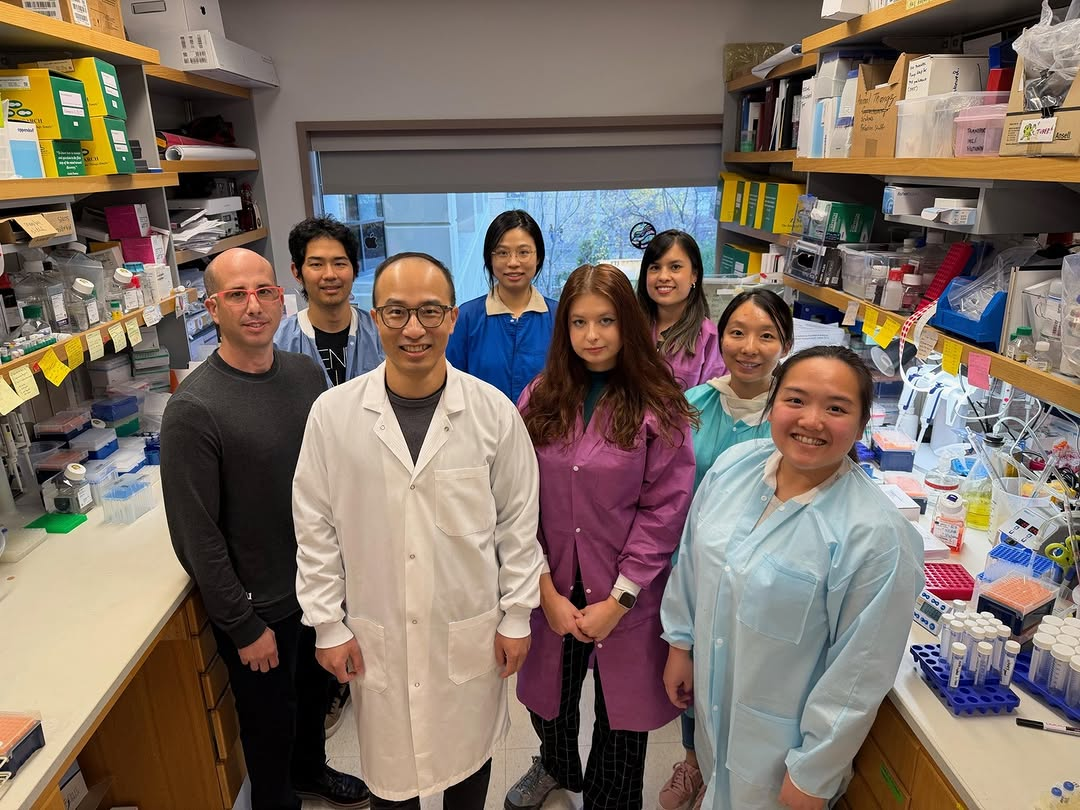
Scientists studying neurodegenerative diseases have long been puzzled by how very different conditions can sometimes share the same underlying biological causes. A new study from researchers at Stanford University now adds important clarity to this picture, showing how a single protein, TDP-43, may play a central role in both amyotrophic lateral sclerosis (ALS) and frontotemporal dementia (FTD). The findings open up promising possibilities for better diagnostics, improved disease tracking, and, eventually, new treatment strategies.
ALS and FTD may look completely different on the surface. ALS primarily affects movement, gradually weakening muscles and eventually leading to paralysis. FTD, on the other hand, affects behavior, personality, and language, often appearing as dramatic changes in how a person thinks or interacts with others. Despite these differences, researchers have known for nearly two decades that the two diseases share a common molecular signature.
That connection centers on TDP-43, a protein that normally works inside the nucleus of nerve cells. In around 97% of ALS cases and up to 50% of FTD cases, TDP-43 is found in abnormal clumps outside the nucleus, where it does not belong. This misplacement is now understood to be a major driver of disease.
How ALS and FTD Are Molecularly Linked
The link between ALS and FTD became clear in 2006, when scientists examined brain and spinal cord tissue from people who had died from these conditions. They discovered that the same protein aggregates—made of TDP-43—were present in both diseases. This finding reshaped the field, leading researchers to think of ALS and FTD not as entirely separate disorders, but as points along a shared disease spectrum.
Some families even show this overlap genetically. In certain cases, members of the same family develop ALS, while others develop FTD, all due to the same inherited mutation. Which disease appears depends largely on which parts of the nervous system are most affected—motor neurons in the spinal cord for ALS, or the frontal and temporal regions of the brain for FTD.
What TDP-43 Does in Healthy Cells
Under normal conditions, TDP-43 acts as a crucial regulator of RNA processing. DNA stores genetic instructions, but those instructions must first be copied into RNA before proteins can be made. That RNA, however, is not immediately usable. It needs editing.
One of TDP-43’s main roles is splicing, a process that removes unnecessary segments of RNA (called introns) and stitches together the useful parts (exons). Without accurate splicing, cells may produce faulty or incomplete proteins.
The new research highlights a second, equally important role for TDP-43: polyadenylation. This process determines where an RNA molecule ends. The position of this ending can affect how stable the RNA is, how efficiently it is translated into protein, and how it functions inside the cell. In simple terms, TDP-43 helps decide where the RNA message should stop.
What Goes Wrong in ALS and FTD
In ALS and FTD, TDP-43 leaves the nucleus and accumulates in the cytoplasm, forming toxic clumps. This causes a double problem. First, the protein is no longer available to do its normal job in RNA processing. Second, the clumps themselves damage cells.
Previous research focused mainly on splicing errors caused by the loss of TDP-43. Scientists identified many genes that start including so-called cryptic exons, which should normally be removed. These errors often lead to reduced or dysfunctional proteins, contributing to neuron death.
However, hints had been emerging that splicing was only part of the story. Researchers suspected that polyadenylation—the way RNA messages end—might also be affected. Until now, no one had systematically studied how widespread or important these changes might be.
What the New Study Discovered
In their newly published study in Nature Neuroscience, researchers led by Yi Zeng and Aaron Gitler used a technique called 3′ end sequencing. This method allows scientists to precisely map where RNA molecules end, providing a detailed view of polyadenylation patterns.
The results were striking. Loss of TDP-43 caused widespread polyadenylation defects in hundreds of genes. Many of these genes are essential for neuron function, and several are already known to be involved in ALS and FTD.
Importantly, these changes were not limited to lab models. The team validated their findings using patient brain tissue, confirming that the same polyadenylation defects occur in real cases of ALS and FTD.
The study also revealed that both where TDP-43 binds on RNA and how strongly it binds influence whether polyadenylation goes wrong. This adds another layer of detail to how TDP-43 normally maintains healthy RNA processing.
Even more compelling is that two other independent research groups published similar findings at the same time, using different methods but reaching the same conclusions. Together, these studies paint a much more complete picture of what happens when TDP-43 function is lost.
Why This Matters for Diagnosis and Treatment
One of the biggest challenges in ALS and FTD research is the lack of reliable biomarkers—measurable signs that can detect disease early, track progression, or show whether a treatment is working. Because TDP-43 pathology cannot currently be imaged directly in living patients, doctors often rely on symptoms alone.
The newly identified polyadenylation changes could help fill this gap. If these RNA alterations can be detected in cerebrospinal fluid or other accessible samples, they could serve as markers of TDP-43 dysfunction. This would be a major step forward for diagnosis and clinical trials.
From a treatment perspective, the findings do not immediately translate into a cure, but they do expand the target landscape. Therapies aimed only at correcting splicing defects may not be sufficient. Any effective treatment will likely need to address both splicing and polyadenylation errors.
Understanding Polyadenylation and Brain Health
Polyadenylation might sound technical, but it plays a vital role in brain biology. Neurons rely on precise control of RNA length and stability to respond quickly to signals and maintain long-term connections. Even small disruptions in RNA processing can have serious consequences over time.
The discovery that polyadenylation defects are so widespread in ALS and FTD suggests that RNA misprocessing is a central driver of neurodegeneration, not just a side effect.
A More Complete Picture of TDP-43 Dysfunction
For nearly 20 years, scientists have known that TDP-43 is central to ALS and FTD. In recent years, they uncovered its role in splicing errors. Now, with the addition of polyadenylation defects, researchers finally have a more complete and coherent explanation of how the loss of this single protein can damage neurons so extensively.
This deeper understanding does not promise immediate treatments, but it lays essential groundwork. By knowing exactly what goes wrong at the molecular level, scientists are better equipped to design smarter diagnostics and, eventually, therapies that could benefit patients with both ALS and FTD.
Research paper: https://www.nature.com/articles/s41593-025-02049-3