New Study Shows Cannabis May Temporarily Reduce Alcohol Consumption in Controlled Settings
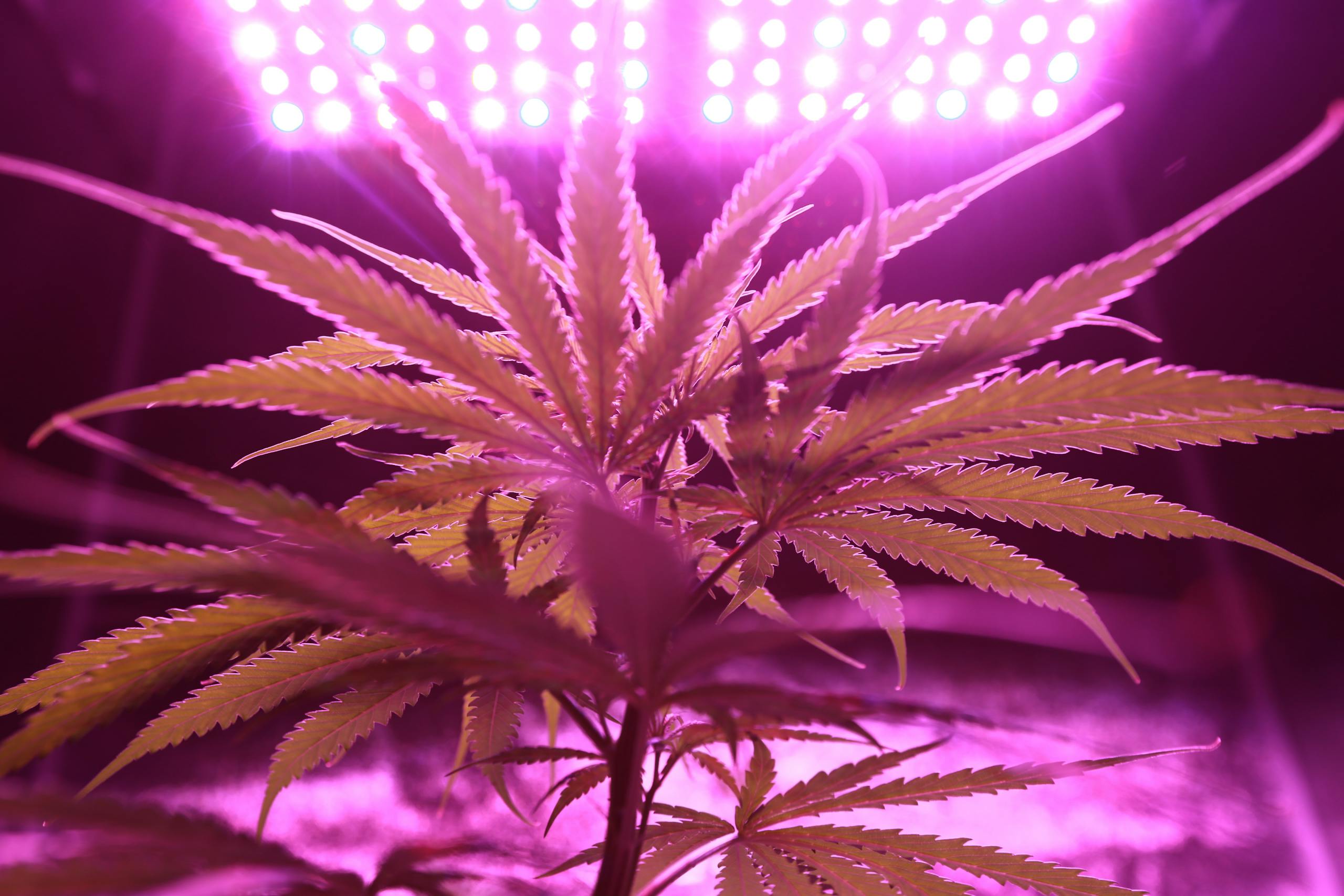
A new wave of interest in the California sober lifestyle has pushed researchers to look more closely at whether cannabis genuinely helps people drink less. A recent randomized, placebo-controlled trial conducted at Brown University offers some of the clearest evidence so far — at least in the short term and under laboratory conditions. The study provides detailed insights into how cannabis might influence alcohol cravings and consumption patterns, and it has sparked fresh discussions about what this could mean for public health, substance-use treatment, and personal lifestyle choices.
This article breaks down every key detail from the research, how the study was structured, what the results actually showed, and what researchers still don’t know. It also includes helpful background information about the California sober trend and the broader conversation around cannabis and alcohol use.
What the Study Was Designed to Test
The trial was structured to answer one very direct question: Does using cannabis immediately influence how much alcohol someone consumes?
Previous studies relied heavily on surveys, self-reports, or observational data, which could suggest associations but could not prove any causal effect. This new research is different because it uses a randomized, placebo-controlled, crossover design, often considered the strongest scientific method for determining cause and effect in behavioral studies.
A total of 157 adults between 21 and 44 years old, all of whom drank heavily and used cannabis at least twice per week, participated in the experiment. Each person took part in three separate lab sessions, and during each session, they smoked one of three types of cannabis cigarettes:
- A placebo cigarette with virtually no THC.
- A low-THC cigarette containing 3.1% THC.
- A higher-THC cigarette containing 7.2% THC.
Both participants and researchers were kept unaware of which type of cigarette was being used during any given session, maintaining strict double-blind conditions.
How Alcohol Consumption Was Measured
After smoking, participants moved into a laboratory room intentionally designed to resemble a real bar. This environment played a key role, helping the responses feel natural rather than overly clinical.
Each participant was offered their preferred alcoholic beverage, served in measured portions on a tray. They had a choice every time a drink was presented:
- Consume the drink.
- Decline it and receive a small cash reward instead.
The payout was deliberately modest, ensuring it didn’t overpower natural decision-making but still acted as a subtle alternative to drinking.
Sessions lasted two hours, and participants were given enough alcohol to raise their blood alcohol concentration to about 0.10%, which is above the legal limit to drive in many U.S. states.
Researchers specifically looked at:
- How much alcohol each participant consumed.
- How long they waited before taking their first sip.
- How strongly they reported craving alcohol right after smoking.
What the Study Found
The results point toward a clear short-term substitution effect, meaning cannabis temporarily replaced alcohol consumption for many participants. Here are the specific findings:
- With 3.1% THC, participants drank about 19% less alcohol compared to when they had smoked the placebo cigarette.
- With 7.2% THC, they drank roughly 27% less.
- After smoking the higher-THC cannabis, participants also delayed their first drink significantly longer than when they smoked the placebo version.
- Many participants reported a reduced immediate urge to drink after smoking the active cannabis doses.
These effects were measurable, consistent, and dose-dependent. Importantly, no increases in alcohol craving or consumption were observed — a concern that has surfaced in some previous observational studies.
What the Results Do NOT Mean
Even though the trial shows that cannabis can reduce short-term drinking in a controlled environment, researchers repeatedly emphasize that this does not mean cannabis should be recommended as a tool to manage alcohol use.
Key limitations include:
- Short-term only: The study captures acute effects during a single two-hour window, not long-term behavior across weeks or months.
- Lab environment: People do not typically drink alone in a lab. Real-world drinking often involves social cues, peer influence, emotional triggers, and availability, all of which may change how cannabis interacts with alcohol use.
- Moderate THC doses: The study used 3.1% and 7.2% THC, which are extremely low compared to many commercial cannabis products today.
- Different cannabis forms not tested: Edibles, vapes, concentrates, and high-potency strains were not part of the experiment.
- Dependency risks: Cannabis itself can be addictive, and substituting one substance for another may still lead to problematic use.
Researchers stress that more work is needed to understand whether these short-term reductions in alcohol use could translate to meaningful long-term changes — or whether they might backfire for certain people.
Why the California Sober Trend Matters Here
The California sober trend has become popular among celebrities, wellness influencers, and adults who want to cut back on alcohol but still use cannabis. The logic is simple: alcohol often has more immediate negative consequences than cannabis, including hangovers, intoxication-related injuries, and long-term liver damage.
But until now, there has been very little controlled scientific evidence testing whether cannabis genuinely reduces alcohol consumption the way the trend suggests. This makes the new Brown University study an important data point, offering the first direct causal evidence supporting part of what California sober practitioners claim.
However, the lifestyle varies widely. Some people adopt it to reduce harm; others use cannabis and alcohol together — and combined use, according to previous research, can significantly increase impairment rather than decrease it.
Broader Context: Alcohol, Cannabis, and Public Health
Alcohol misuse remains one of the most costly substance-related health issues in the United States. Excessive drinking is the third leading cause of preventable death, and the CDC estimates it costs the country $249 billion per year. Meanwhile, cannabis use is becoming more common nationwide as legalization expands.
There is also substantial overlap between the two substances:
- About 60% of people with cannabis use disorder also meet criteria for alcohol use disorder.
- Many people use both substances together socially.
- Some intentionally combine them to enhance effects rather than substitute one for the other.
Because of this overlap, researchers warn that cannabis may increase drinking for certain groups — especially people who habitually mix the two. The current study avoids this issue by examining only sequential use (cannabis first, then alcohol), but real-world patterns can be messier.
What Researchers Plan Next
The team is already conducting a follow-up trial examining:
- Combined cannabis-and-alcohol use (not just cannabis before alcohol).
- The roles of different cannabinoids such as CBD, which could influence alcohol intake differently.
- How behavior changes in more naturalistic settings, not just labs.
- Whether the substitution effect persists over time.
Their goal is to map out a fuller picture of how cannabis interacts with alcohol use in various contexts.
Final Thoughts
This study offers encouraging but limited evidence that cannabis may temporarily reduce alcohol consumption when used beforehand. It’s a meaningful contribution to a complicated subject, especially as more people explore alternatives to traditional drinking habits. But it doesn’t settle the debate — and it definitely doesn’t position cannabis as a treatment for heavy drinking.
The safest takeaway is simple: the effects are real, but they are short-term, context-dependent, and not yet understood well enough to inform medical advice or long-term lifestyle decisions.
Research Paper:
Acute Effects of Cannabis on Alcohol Craving and Consumption: A Randomized Controlled Crossover Trial