Non-Opioid Pain Sponge Therapy Using Stem Cell-Derived Neurons Shows Promise for Chronic Pain Relief and Cartilage Protection
A new and unconventional approach to chronic pain treatment is gaining attention in the biomedical research world. SereNeuro Therapeutics, a preclinical biotechnology company, has released new data on an experimental therapy called SN101, which aims to relieve chronic osteoarthritis pain while also halting cartilage degeneration. What makes this therapy stand out is that it is non-opioid, cell-based, and designed to work with the body’s biology rather than simply blocking pain signals.
The findings were presented at the International Society for Stem Cell Research (ISSCR) Symposium titled Accelerating PSC-Derived Cell Therapies: Starting with the End in Mind. The data suggest that SN101 could represent a major shift in how chronic joint pain and osteoarthritis are treated.
What Is SN101 and Why It Is Different
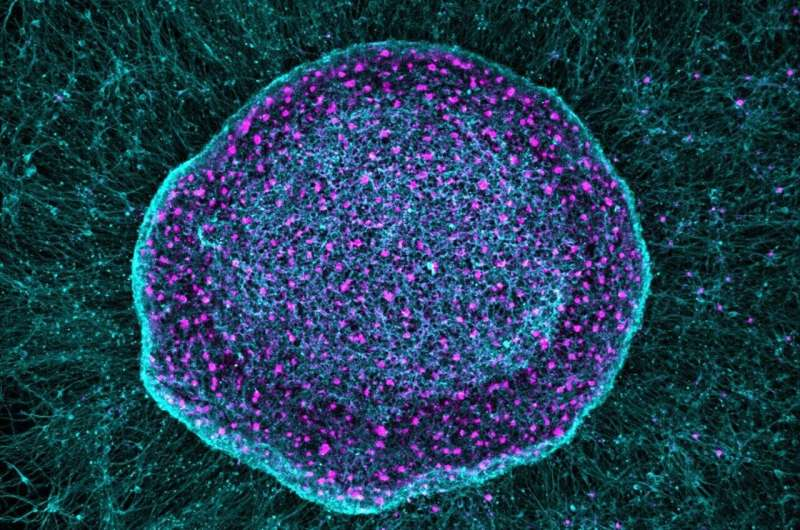
SN101 is a first-in-class therapy created from induced pluripotent stem cells (iPSCs). These stem cells are reprogrammed to become mature peripheral pain-sensing neurons, also known as nociceptors. Instead of transmitting pain signals to the brain, these lab-grown neurons are engineered to behave in a very specific and unusual way once injected into a joint.
The central idea behind SN101 is what researchers call a “pain sponge” mechanism. When injected into an osteoarthritic joint, the nociceptor cells absorb and sequester inflammatory pain-related molecules present in the local tissue. By capturing these molecules, the therapy reduces pain signaling at its source rather than interfering with pain perception in the brain.
Equally important, these cells are designed not to transmit pain signals. That distinction is critical because it allows the therapy to reduce pain without creating numbness, dependence, or neurological side effects commonly associated with systemic pain medications.
Addressing Both Pain and Cartilage Degeneration
One of the most striking aspects of SN101 is that it is not limited to pain relief alone. According to the data shared by SereNeuro, the therapy also creates an environment that supports joint tissue preservation.
The SN101 cells secrete mechanistically confirmed regenerative factors that help protect cartilage and slow degeneration. This positions the therapy as a potential Disease-Modifying Osteoarthritis Drug (DMOAD) rather than a treatment that only masks symptoms.
This is particularly important because many widely used treatments for osteoarthritis, such as corticosteroid injections, are known to provide short-term pain relief while accelerating cartilage breakdown over time. SN101 is designed to do the opposite by reducing inflammation and supporting tissue health simultaneously.
How SN101 Compares to Existing and Emerging Therapies
Modern pain management strategies often rely on single-target approaches. For example, Nav1.8 ion channel inhibitors focus on blocking one specific pain pathway. While these drugs can be effective in certain contexts, pain is biologically complex and rarely driven by a single mechanism.
SN101 takes a broader approach. Because the iPSC-derived nociceptors express all canonical pain receptors and ion channels, the therapy can naturally interact with multiple pain and inflammatory pathways at once. This multi-pathway modulation is one of its most compelling advantages over traditional small-molecule drugs.
Another key distinction is safety. SN101 uses fully mature, non-dividing neurons, which significantly reduces the risk of uncontrolled cell growth or tumor formation, a common concern in stem cell-based therapies.
Why Avoiding Opioids Matters
Chronic pain remains one of the most difficult medical conditions to manage, and opioid medications have long been part of the solution. However, opioids carry well-documented risks, including addiction, tolerance, dependence, and overdose. They also do nothing to address the underlying joint damage in osteoarthritis.
SN101 is designed as a non-addictive alternative that works locally within the joint. By avoiding systemic drug exposure, the therapy aims to reduce pain without affecting the central nervous system or creating dependency risks.
This approach aligns with a broader push in medicine to develop non-opioid pain treatments that are both effective and sustainable for long-term use.
The Role of iPSC Technology in Modern Medicine
Induced pluripotent stem cells have transformed biomedical research over the past decade. By reprogramming adult cells into a stem-like state, scientists can generate specialized cell types without the ethical and logistical challenges associated with embryonic stem cells.
In the case of SN101, iPSCs are carefully differentiated into high-purity nociceptors that closely resemble natural peripheral pain-sensing neurons. This precision allows researchers to design therapies that interact with the body in biologically intuitive ways.
Beyond pain management, iPSC-derived cells are being explored for neurodegenerative diseases, heart conditions, diabetes, and regenerative medicine, making SN101 part of a much larger movement toward cell-based therapeutics.
Osteoarthritis and the Need for Better Treatments
Osteoarthritis affects hundreds of millions of people worldwide and remains a leading cause of disability. Current treatments largely focus on symptom control rather than disease modification. Painkillers, anti-inflammatory drugs, and steroid injections may provide temporary relief, but they often fail to stop disease progression.
Joint replacement surgery is frequently the final option for severe cases, but it is invasive, costly, and not suitable for everyone. Therapies like SN101 aim to fill the gap between symptom management and surgical intervention by addressing both pain and tissue health at an earlier stage.
Development Stage and What Comes Next
It is important to note that SN101 is still in the preclinical stage. The data presented at the ISSCR symposium come from laboratory and animal studies, not human clinical trials. SereNeuro Therapeutics is currently working toward IND-enabling studies, which are required before testing the therapy in people.
While the early results are promising, further research will be needed to confirm safety, dosing, durability, and long-term effects in humans.
Why This Research Matters
SN101 represents a shift in how scientists think about pain treatment. Instead of blocking signals or numbing sensation, this therapy absorbs pain-causing factors directly at the site of inflammation while supporting tissue preservation. If future studies confirm its effectiveness, it could reshape treatment strategies for osteoarthritis and other chronic pain conditions.
The concept of using living cells as active biological regulators rather than passive replacements is gaining momentum, and SN101 is a clear example of how that idea is being applied in innovative ways.
Research reference:
https://www.isscr.org/isscr-news/non-opioid-pain-sponge-therapy-halts-cartilage-degeneration-and-relieves-chronic-pain