Pan-Fungal Vaccine Shows Strong Protection Against Candida auris in Mice
A new study from researchers at the University of Georgia (UGA) has added an important piece to the growing effort to combat dangerous fungal infections. Scientists have found that a pan-fungal vaccine, originally designed to protect against multiple deadly fungi, is also effective against Candida auris, a drug-resistant yeast that has become a major global health concern. The findings were published in the journal Vaccines in 2025 and highlight both preventive and therapeutic potential for this experimental vaccine.
Why Candida auris Is Such a Serious Threat
Candida auris is not a typical yeast infection. First identified in 2009, it has rapidly spread across continents and is now a major problem in hospitals and long-term care facilities. What makes it especially dangerous is its ability to spread easily, survive on surfaces for long periods, and resist multiple antifungal drugs.
Because of these characteristics, the Centers for Disease Control and Prevention (CDC) has classified Candida auris as an urgent public health threat. Invasive infections can lead to severe illness and high mortality rates, particularly among people who are already medically vulnerable. These include patients in intensive care units, individuals with weakened immune systems, and those using invasive medical devices such as catheters or ventilators.
Current antifungal treatments are limited, and resistance is increasing. This creates an urgent need for new strategies, including vaccines, to prevent and manage fungal infections more effectively.
What Makes This Pan-Fungal Vaccine Different
The vaccine examined in the study is known as NXT-2, a recombinant vaccine developed to provide broad protection against multiple fungal pathogens rather than targeting a single species. It works by stimulating the immune system to produce protective antibodies that recognize conserved fungal proteins shared across different fungi.
Previous research had already shown that this vaccine was effective against the three most common fungal pathogens, which together are responsible for more than 80% of fatal fungal infections worldwide. These studies were conducted across four preclinical animal models, including nonhuman primates, providing strong evidence of the vaccine’s broad protective ability.
The new study extends this work by testing whether the vaccine could also protect against Candida auris, which is known for its resistance to existing antifungal drugs.
How the Study Was Conducted
The research team tested the vaccine in an immunosuppressed mouse model, designed to closely mimic how Candida auris affects vulnerable human patients. The study explored two key approaches:
- Active immunization, where mice were vaccinated before being exposed to Candida auris
- Passive immunization, where antibodies generated by the vaccine were administered to already infected mice
This dual approach allowed researchers to assess not only whether the vaccine could prevent infection, but also whether antibody-based treatment could reduce disease severity once infection had occurred.
Key Findings From the Research
The results were encouraging on several fronts. Mice that received the vaccine showed significantly improved survival rates compared to unvaccinated controls. In addition to better survival, vaccinated mice experienced reduced morbidity, meaning they showed fewer severe symptoms during infection.
Even more notably, mice treated with vaccine-generated antibodies after infection also benefited. Antibody treatment improved both morbidity and mortality, suggesting that the immune response triggered by the vaccine could potentially be used not only for prevention but also as a therapeutic option in acute or life-threatening cases.
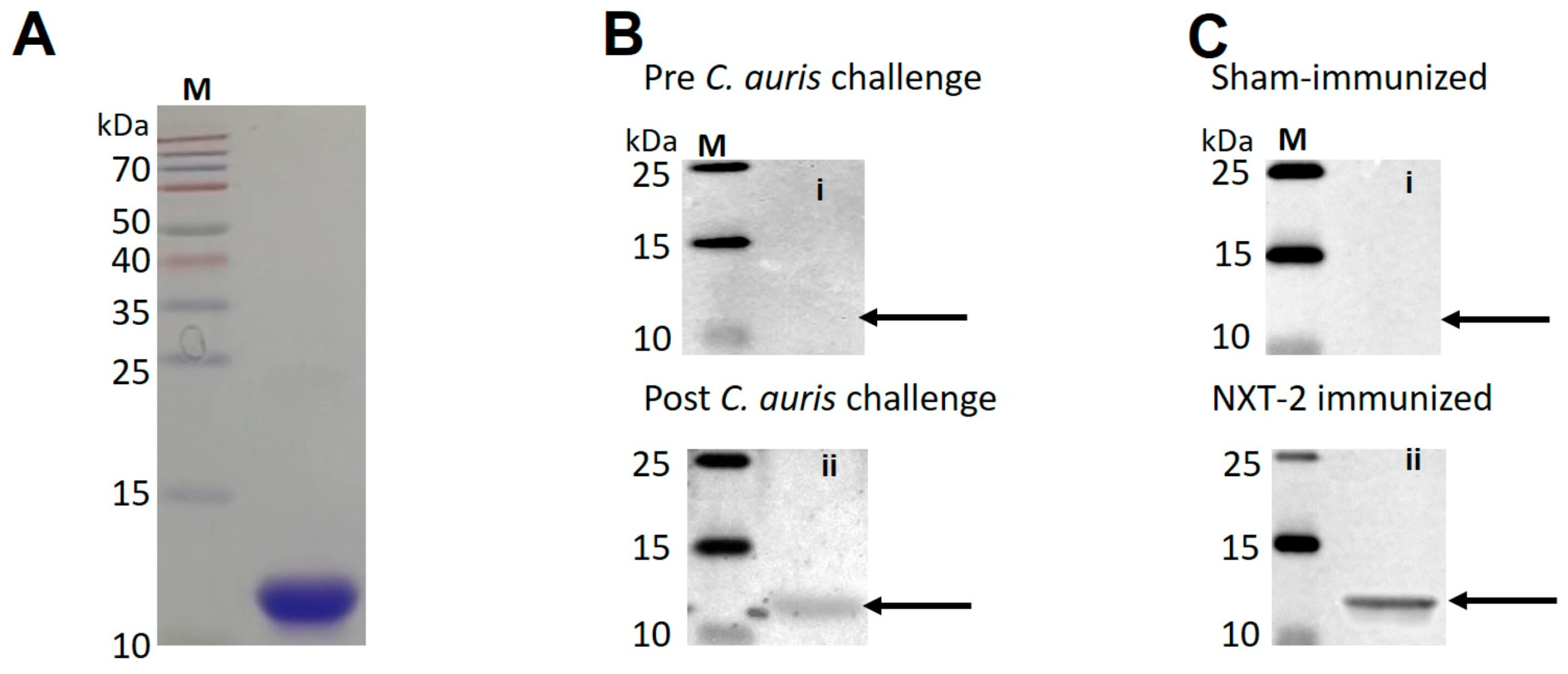
Laboratory testing further showed that antibodies produced in response to the vaccine were able to recognize Candida auris antigens, including a recombinant antigen known as CAu.KEX1. This confirms that the immune response induced by the vaccine can directly target this difficult pathogen.
A Potential First in Fungal Disease Prevention
If this vaccine ultimately proves successful in humans, it could become the first vaccine ever developed to prevent pathogenic fungal infections. This would mark a major breakthrough in infectious disease medicine. The World Health Organization (WHO) has already identified fungal infections as one of the top emerging threats to global public health, yet vaccine development in this area has lagged far behind bacterial and viral diseases.
One of the study’s senior authors, Karen Norris, is a professor of immunology and translational biomedicine at the UGA Center for Vaccines and Immunology and the College of Veterinary Medicine. She is also the CEO and founder of NXT Biologics, the company behind the vaccine. Her work has long focused on addressing the growing challenge of antifungal drug resistance.
The Growing Burden of Fungal Infections
Fungal infections are often overlooked, but their impact is enormous. Globally, they kill millions of people each year and cost billions of dollars in healthcare expenses. A previous UGA study found that fungal infections can double hospital stays, double hospitalization costs, and double the risk of death in hospitalized patients.
Treatment options are limited, and many existing antifungal drugs are becoming less effective due to resistance. Unlike bacteria and viruses, fungi are biologically closer to humans, making it harder to develop treatments that kill fungi without harming human cells.
Who Is Most at Risk
Serious fungal infections are most common in immunocompromised individuals, such as patients undergoing chemotherapy or people living with HIV/AIDS. However, recent research shows that the at-risk population is expanding.
A 2022 study by Norris and her colleagues found that people with diabetes, chronic obstructive pulmonary disease (COPD), or co-infections like COVID-19, tuberculosis, or influenza are also at increased risk. As these conditions become more common, so does the likelihood of severe fungal disease.
This broader risk landscape strengthens the case for a universal or broadly protective fungal vaccine, rather than vaccines designed for a single pathogen.
Previous Successes With the Vaccine
The Candida auris findings are not the first success for this vaccine. In 2024, researchers showed that it could also protect against vaginal yeast infections in mouse models. These infections are extremely common and often recurrent, making them a logical first target for human clinical trials.
The research team hopes to begin clinical trials for this application in the coming years. Success in treating or preventing vaginal yeast infections could pave the way for trials focused on invasive and life-threatening fungal diseases.
Why a Pan-Fungal Approach Matters
Fungal infections are complex, and patients at high risk are often vulnerable to multiple fungal species, not just one. A vaccine that offers broad protection could simplify prevention strategies and provide coverage across a wide range of clinical scenarios.
This study advances the idea that a single vaccine platform could address multiple fungal threats, including emerging and drug-resistant pathogens like Candida auris. It also supports the concept of using antibody-based therapies as an emergency treatment option when infections are already established.
What Comes Next
While the findings are limited to animal models, they represent an important step forward. Further research will be needed to confirm safety, effectiveness, and dosing in humans. Still, the study provides strong evidence that a pan-fungal vaccine could play a critical role in the future of infectious disease prevention.
As antifungal resistance continues to rise and vulnerable populations grow, strategies like this may become essential tools in protecting public health.
Research paper:
https://doi.org/10.3390/vaccines13101033