Personalized Biomaterial Cancer Vaccine WDVAX Shows Safety and Immune Activation in First Human Trial
A new kind of personalized cancer vaccine has taken an important early step toward becoming a viable treatment option. Researchers from Harvard University, the Wyss Institute for Biologically Inspired Engineering, and Dana-Farber Cancer Institute have successfully completed the first-in-human Phase I clinical trial of WDVAX, a biomaterial-based cancer vaccine designed to activate the immune system using each patient’s own tumor material. The results show that the vaccine is feasible to manufacture, safe to administer, and capable of triggering meaningful immune responses in patients with advanced cancer.
This clinical trial focused on patients with stage IV metastatic melanoma, one of the most aggressive and difficult-to-treat forms of skin cancer. While the study was not designed to prove long-term effectiveness, it delivered encouraging signals that this personalized vaccine platform could play a role in future cancer immunotherapy strategies, especially when combined with other treatments.
What Exactly Is WDVAX?
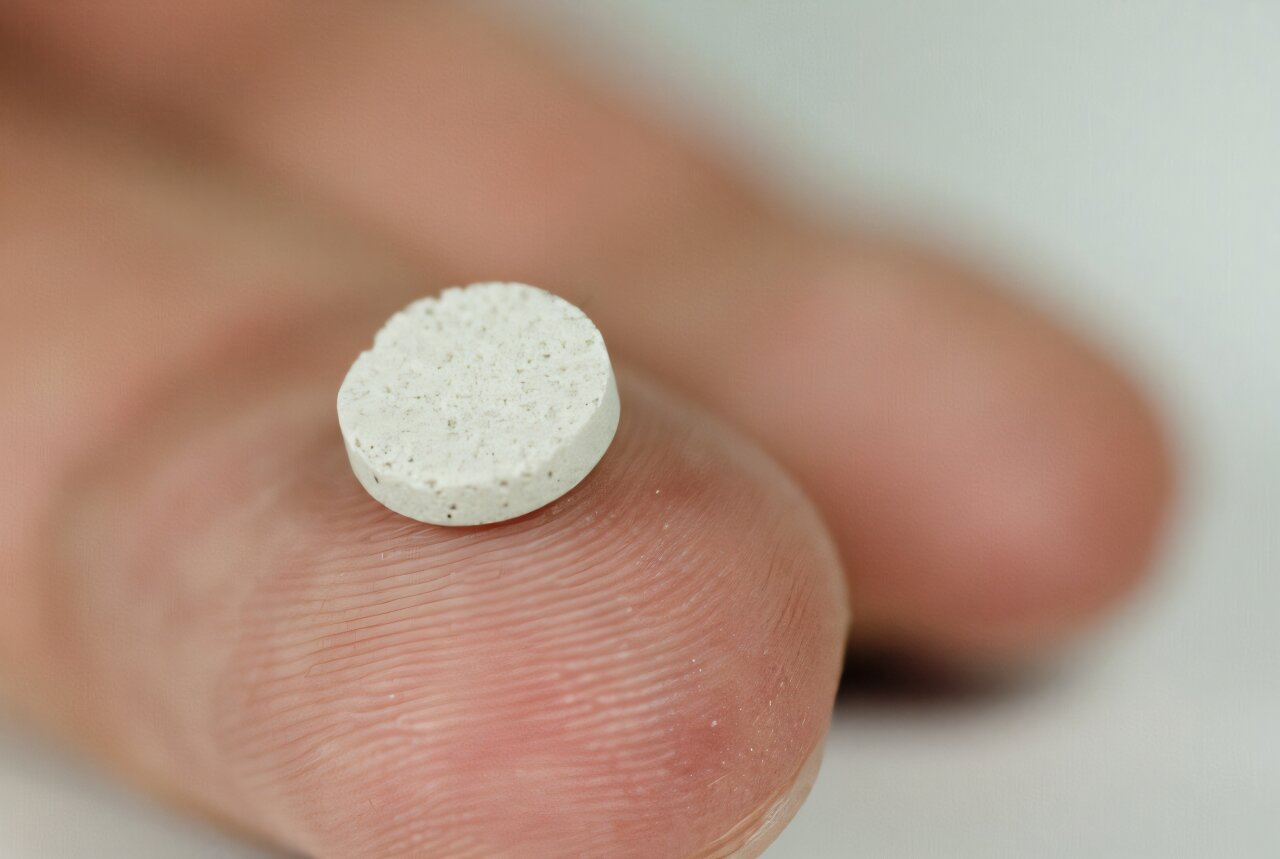
WDVAX is not a traditional vaccine in the way most people think of vaccines. Instead of a liquid injection, it is a solid, implantable scaffold made from a biodegradable medical polymer that has been safely used in other medical applications. The scaffold is about the size of an aspirin tablet and is implanted just under the skin through a small surgical incision.
What makes WDVAX special is what the scaffold contains. Each vaccine is custom-made for the individual patient using inactivated tumor antigens derived from that patient’s own cancer. These tumor antigens are combined with immune-stimulating components, including GM-CSF, a cytokine that recruits immune cells, and CpG oligonucleotides, which act as an immune adjuvant.
Together, these elements turn the scaffold into a kind of training ground for the immune system, encouraging immune cells to recognize and attack cancer cells throughout the body.
How the Vaccine Works Inside the Body
Once implanted under the skin, the WDVAX scaffold begins attracting dendritic cells, which are key coordinators of immune responses. The GM-CSF embedded in the scaffold draws these cells into its porous interior. Once there, CpG oligonucleotides activate the dendritic cells and prepare them to present cancer-specific antigens.
The dendritic cells then pick up the inactivated tumor antigens contained in the scaffold. After activation, they migrate to nearby lymph nodes, where they stimulate T cells, including both CD4+ helper T cells and CD8+ cytotoxic T cells. These T cells can then circulate through the body and target tumor cells that carry matching antigens.
This approach aims to generate a systemic immune response, rather than just a local effect at the site of the implant.
Details of the Clinical Trial
The Phase I trial enrolled 21 patients with metastatic melanoma. The primary goal was to determine whether WDVAX could be safely manufactured and administered, not to test its ability to cure cancer. Still, the researchers closely monitored immune responses and clinical outcomes.
One of the most important achievements of the trial was demonstrating that personalized vaccines could be produced on a realistic timeline. After surgical removal of tumor tissue, the team was able to manufacture individualized WDVAX implants within 28 days, allowing patients to receive multiple doses. For all patients in the 15-person expansion cohort and most additional participants, sufficient vaccine material was successfully produced.
This result is significant because personalized therapies often struggle with manufacturing delays. The study showed that vaccine fabrication itself is unlikely to be a bottleneck for future trials using similar biomaterial-based approaches.
Safety Outcomes and Patient Experience
From a safety perspective, the results were reassuring. No life-threatening treatment-related adverse events were reported. Patients typically experienced localized immune reactions at the implant site, which is expected given the immune-activating nature of the vaccine.
The implantation procedure itself was straightforward. Surgeons made a small incision, usually in the upper arm or thigh, inserted the scaffold under the skin, and closed the incision with sutures. Patients were then monitored closely for immune responses and overall health.
These findings suggest that WDVAX is well tolerated, an essential requirement for any therapy intended for patients with advanced disease.
Signs of Immune Activation and Clinical Impact
Although the trial was not designed to measure effectiveness, the researchers observed encouraging biological and clinical signals. Forty-three percent of patients experienced stable disease, meaning their cancer did not progress during the study period.
Detailed analysis of tumor samples collected before and after vaccination showed clear evidence of immune activation. The researchers found increased infiltration of CD4+ T cells, which help coordinate immune attacks, and CD8+ cytotoxic T cells, which can directly kill tumor cells. Myeloid immune cells were also detected within tumors following vaccination.
However, the team also observed that many of the T cells activated by the vaccine expressed checkpoint proteins, which act as brakes on the immune system. This finding helps explain why the vaccine alone may not always lead to tumor regression—and why combining it with other therapies could be important.
Why Combining WDVAX With Checkpoint Inhibitors Matters
Checkpoint inhibitors are a widely used class of cancer immunotherapies that work by removing inhibitory signals on T cells. Because WDVAX increases T cell infiltration but also leads to checkpoint protein expression, researchers believe a two-pronged approach could be particularly effective.
In future trials, WDVAX-like vaccines could be paired with checkpoint inhibitors to both generate tumor-specific immune responses and release the brakes that limit their effectiveness. Preclinical animal studies have already shown tumor regression using WDVAX alone, and combination therapy could further improve outcomes in humans.
Broader Context of Biomaterial Cancer Vaccines
WDVAX is part of a growing field of biomaterial-based immunotherapy, which differs from more familiar approaches like mRNA vaccines. Instead of delivering genetic instructions, biomaterial vaccines physically shape the immune environment using engineered scaffolds.
Since the WDVAX trial began in 2013, the field has advanced significantly. Researchers are now developing injectable scaffolds that do not require surgical implantation and have even greater control over immune responses. At the same time, technologies for identifying patient-specific tumor antigens have become more precise and efficient.
These developments suggest that future versions of biomaterial cancer vaccines could be even more powerful and easier to administer.
What This Trial Means Going Forward
The successful completion of this first-in-human trial shows that personalized biomaterial cancer vaccines are no longer just a laboratory concept. WDVAX demonstrated that it can be manufactured, safely implanted, and biologically active in patients with advanced cancer.
While much work remains before such vaccines become widely available, this study lays a strong foundation for larger trials, combination therapies, and next-generation designs. For patients with difficult-to-treat cancers, approaches like WDVAX represent a promising direction in the ongoing evolution of cancer immunotherapy.
Research paper:
https://aacrjournals.org/cancerimmunolres/article/13/7/978/763129/First-in-Human-Clinical-Trial-of-Vaccination-with-WDVAX