Rats May Use Cannabis to Cope With Stress, According to New Research
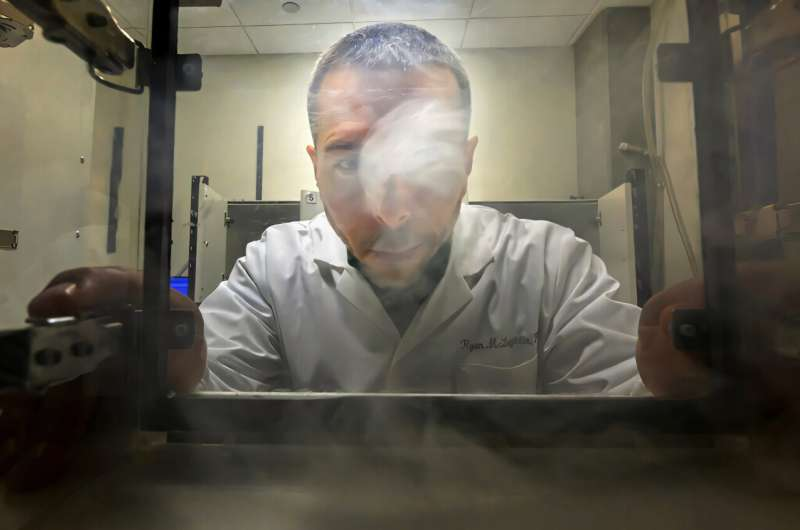
A new scientific study suggests that the motivation to use cannabis may not be uniquely human. Researchers have found that rats with higher natural stress levels are significantly more likely to seek out cannabis, pointing to stress biology as a powerful driver of drug-seeking behavior. The findings come from a detailed investigation conducted at Washington State University (WSU) and published in the peer-reviewed journal Neuropsychopharmacology.
The research adds an important piece to the ongoing discussion about why some individuals are more prone to habitual cannabis use than others. Rather than focusing on situational stress or moment-to-moment anxiety, the study highlights the role of baseline, resting stress hormone levels in predicting cannabis use.
How the Study Was Designed
The research team, led by Ryan McLaughlin, an associate professor in the Department of Integrative Physiology and Neuroscience at WSU’s College of Veterinary Medicine, set out to understand what biological and behavioral traits predict cannabis-seeking behavior.
To do this, the scientists worked with laboratory rats and ran them through an extensive series of behavioral, cognitive, and biological tests. These tests evaluated a wide range of traits, including social behavior, learning ability, reward sensitivity, arousal, and sex differences. Each rat essentially received a detailed behavioral profile before any exposure to cannabis.
Once these baseline measurements were complete, the rats were placed in a controlled experimental setup for cannabis access. Over a period of three weeks, each rat was observed for one hour per day in an airtight chamber. Inside the chamber was a vapor port that allowed the animals to self-administer cannabis vapor. When a rat poked its nose into the port, it triggered a three-second release of cannabis vapor.
Importantly, this setup mimicked voluntary use rather than forced exposure. The rats were not given cannabis automatically; they had to actively choose to seek it out.
Stress Hormones and Cannabis Seeking
One of the most striking findings of the study was the strong relationship between cannabis use and baseline stress hormone levels. The researchers measured corticosterone, the primary stress hormone in rodents. Corticosterone serves a similar function to cortisol in humans, making it a useful biological marker for stress.
The data showed a clear pattern: rats with higher resting corticosterone levels consistently engaged in more cannabis self-administration. In other words, animals that were naturally more stressed at baseline were far more motivated to inhale cannabis vapor.
Interestingly, stress measured after exposure to a stressor—such as physical activity or mentally demanding tasks—did not show the same relationship. This indicates that it was not short-term or situational stress driving cannabis use, but rather long-standing, underlying stress biology.
This distinction matters because it suggests cannabis use may be linked to how an individual’s stress system is regulated at rest, not just how they react to stressful events.
Cognitive Flexibility Also Plays a Role
Beyond stress hormones, the researchers identified another important factor: cognitive flexibility. Cognitive flexibility refers to the brain’s ability to adapt to changing rules, environments, or strategies. It is a key component of decision-making and self-control.
Rats that struggled with tasks requiring them to shift between different rules or strategies were more likely to show strong cannabis-seeking behavior. These animals tended to rely heavily on visual cues rather than adapting their decision-making when conditions changed.
When tested for motivation, these less flexible rats worked harder and showed greater persistence in accessing cannabis vapor. This suggests that rigidity in thinking and behavior may be linked to higher vulnerability to drug use, at least in this animal model.
The Endocannabinoid Connection
The study also explored the role of the body’s natural cannabinoid system. The endocannabinoid system is a complex network of receptors and signaling molecules that helps regulate mood, stress, appetite, pain, and overall physiological balance, also known as homeostasis.
Researchers found that rats with lower levels of naturally occurring endocannabinoids, combined with high morning corticosterone levels, were more likely to self-administer cannabis. While this relationship was not as strong as the link with baseline stress, it still offered valuable insight.
One possible explanation is that THC, the main psychoactive compound in cannabis, may act as a substitute for naturally low endocannabinoid signaling. In individuals—or animals—with reduced endocannabinoid activity, external cannabinoids might temporarily restore balance, creating a stronger drive to use cannabis.
Why This Research Matters
Cannabis laws are changing rapidly, with many regions moving toward decriminalization or full legalization. As access increases, understanding the biological factors that influence cannabis use becomes more important.
This research suggests that some individuals may be biologically predisposed to use cannabis more heavily, long before they ever try it. Elevated baseline stress hormones and certain cognitive traits could serve as early indicators of risk for problematic use patterns.
The findings may eventually help guide screening, prevention, and early intervention strategies. For example, assessing baseline cortisol levels in humans could one day offer insight into who might be more vulnerable to stress-related substance use.
What This Means for Human Cannabis Use
While this study was conducted in rats, its implications are highly relevant to humans. Stress is one of the most commonly reported reasons people use cannabis regularly. Many users describe cannabis as a way to relax, unwind, or cope with chronic stress.
The research supports the idea that cannabis use is not always about recreation or experimentation. For some, it may be closely tied to biological stress regulation and emotional coping mechanisms.
At the same time, the study does not suggest that cannabis use is inherently harmful or beneficial. Instead, it emphasizes that individual differences matter, and that understanding those differences is key to responsible policy and health decisions.
A Growing Area of Research
This work also highlights the value of vapor-based self-administration models in animal research. Traditional drug studies often rely on injections, which do not reflect how people typically use cannabis. By using inhaled vapor, researchers were able to create a more realistic model that better mirrors human behavior and physiology.
As cannabis research continues to expand, studies like this one help move the conversation beyond stereotypes and assumptions. They offer a more nuanced view of why cannabis use varies so widely from one individual to another.
Ultimately, the study reinforces a simple but powerful idea: stress biology, cognitive traits, and brain chemistry all interact to shape substance-seeking behavior. Understanding these interactions could play a critical role in reducing harm and improving mental health outcomes in an increasingly cannabis-friendly world.
Research paper: https://doi.org/10.1038/s41386-025-02286-x